New York Fed sees gasoline costs hitting low-income households hardest
Higher gas prices are pinching Big Lots workers on the commute and shoppers at the register. The New York Fed found low-income households cut real fuel use even as spending rose.
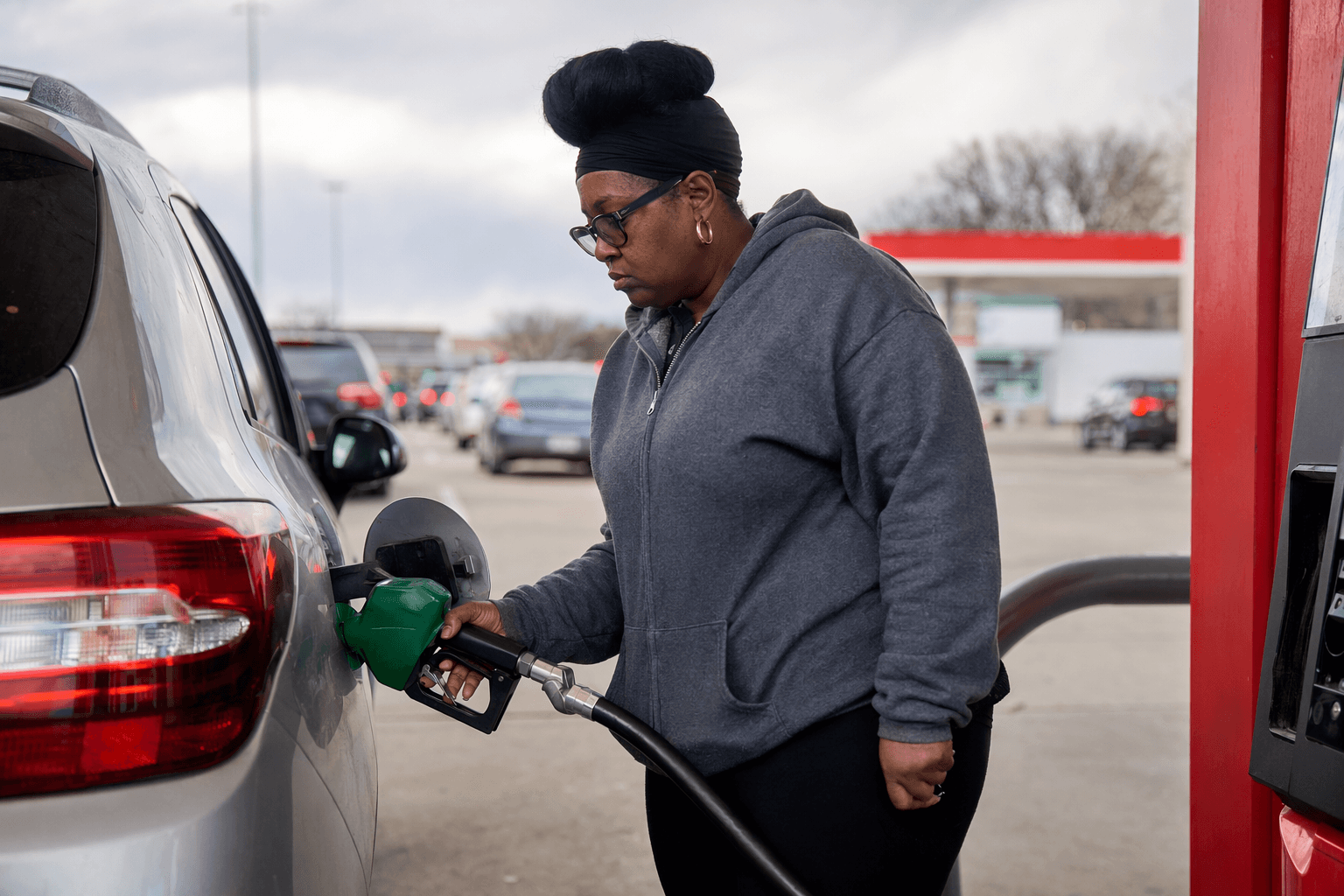
Higher gasoline prices are landing hardest on lower-income households, and that matters on both sides of the Big Lots counter. The New York Fed said March energy prices surged to a four-year high after the Iranian closure of the Strait of Hormuz amid conflict in the Middle East, leaving wealthier households largely able to hold real gasoline use steady while lower-income households cut back in real terms even as their spending rose.
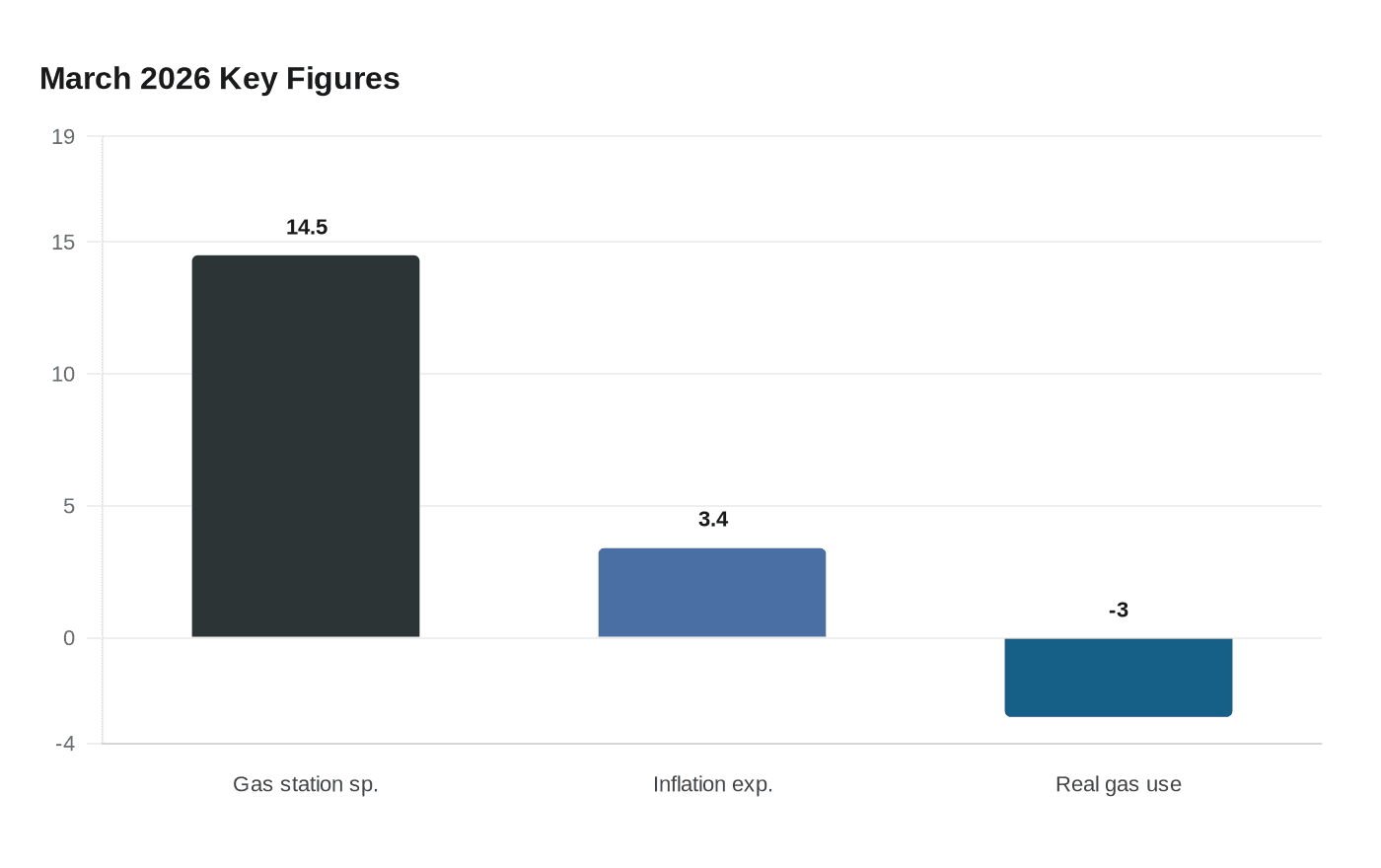
The Fed’s analysis, built on a panel of 200,000 Numerator consumers, showed nominal gasoline spending rising more than 15% in March 2026 while real gasoline consumption fell 3%. The Advance Monthly Retail Trade Survey showed a similar 14.5% increase in gasoline station spending. The pattern looked like a K-shaped split: high-income households increased nominal spending the most and kept real consumption essentially unchanged, while low-income households reduced real gasoline consumption. The Fed said the March 2026 pattern resembled the spring 2022 Russia-Ukraine energy shock, although the gap this time was larger.
The squeeze does not stop at the pump. The New York Fed’s March 2026 Survey of Consumer Expectations, fielded from March 2 through March 31, found gas price growth expectations at the highest level since March 2022, and one-year-ahead inflation expectations rose to 3.4%. For a retailer like Big Lots, which relies on value-conscious shoppers, that kind of fuel pressure usually translates into fewer discretionary trips, tighter baskets and more scrutiny of every markdown. Customers who are paying more to drive are often quicker to delay home purchases, cut nonessential items and wait for sharper discounts.
Big Lots has already said its core shoppers were under strain. In June 2024, Chief Executive Bruce Thorn said the company missed sales goals largely because core customers kept pulling back on spending, especially on high-ticket discretionary items. The company reported first-quarter fiscal 2024 net sales of $1.009 billion, down 10.2% from a year earlier, with comparable sales down 9.9%. It ended that quarter with $289 million of liquidity.
The pressure then deepened. In September 2024, Big Lots filed for Chapter 11 bankruptcy protection and agreed to sell itself to Nexus Capital Management for about $760 million. CNBC reported that the chain operated more than 1,300 stores across 48 states at the time. For workers on the floor, in the stockroom and on the drive to work, fuel costs are not an abstract macroeconomic trend. They are part of the same squeeze that shapes how often customers come in, what they buy and how much room the business has left to absorb another hit.
Know something we missed? Have a correction or additional information?
Submit a Tip