Chicago Fed data suggests cautious April spending, with real retail gains modest
Chicago Fed data showed April spending still moving, but only modestly in real terms, a sign Big Lots stores may see steadier traffic, not a sharp rebound.
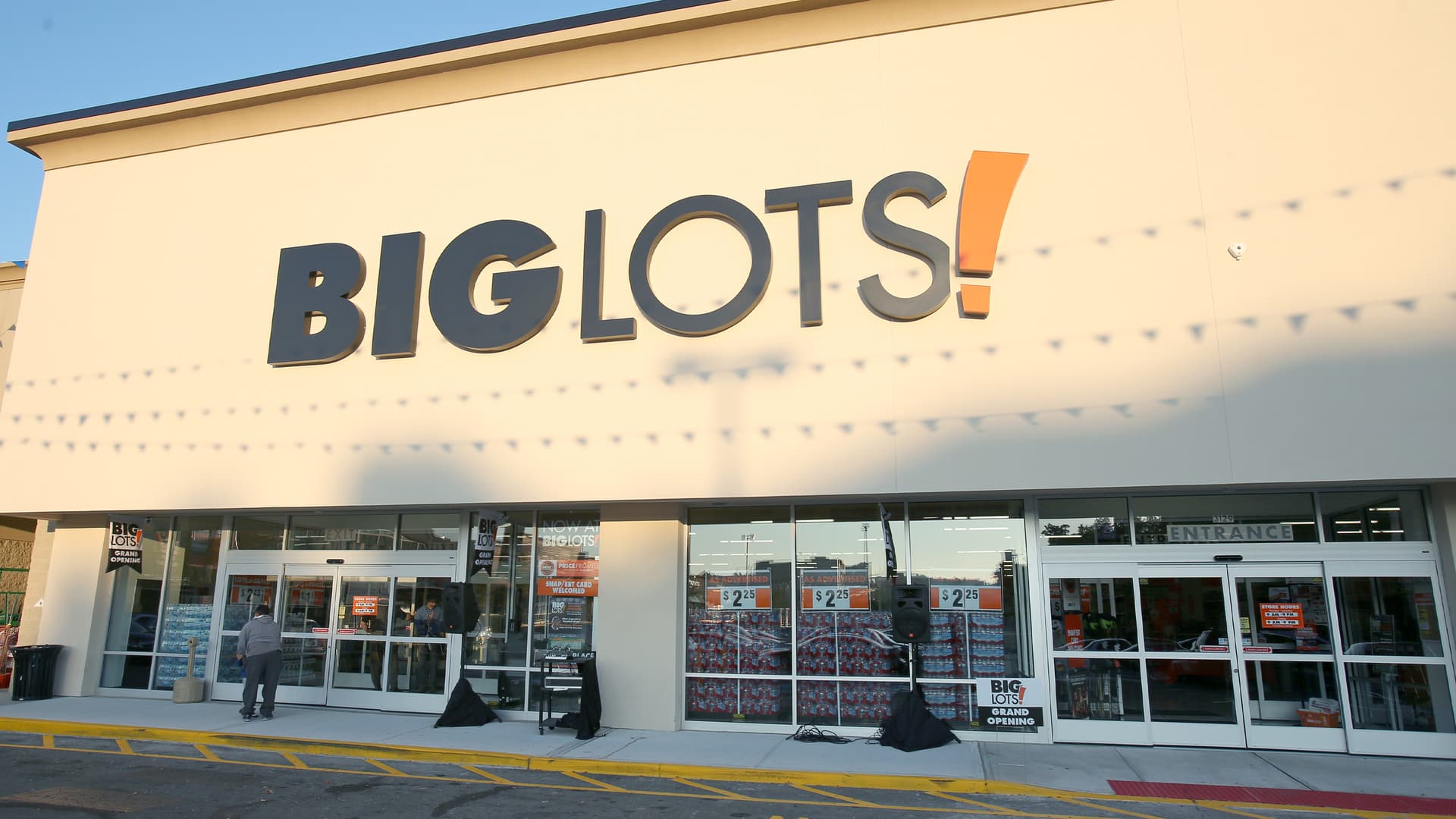
Shoppers were still spending in April, but the Chicago Fed’s latest retail tracker pointed to only a mild gain once inflation was stripped out, a read that fits a “better but not booming” environment for Big Lots stores trying to rebuild around value.
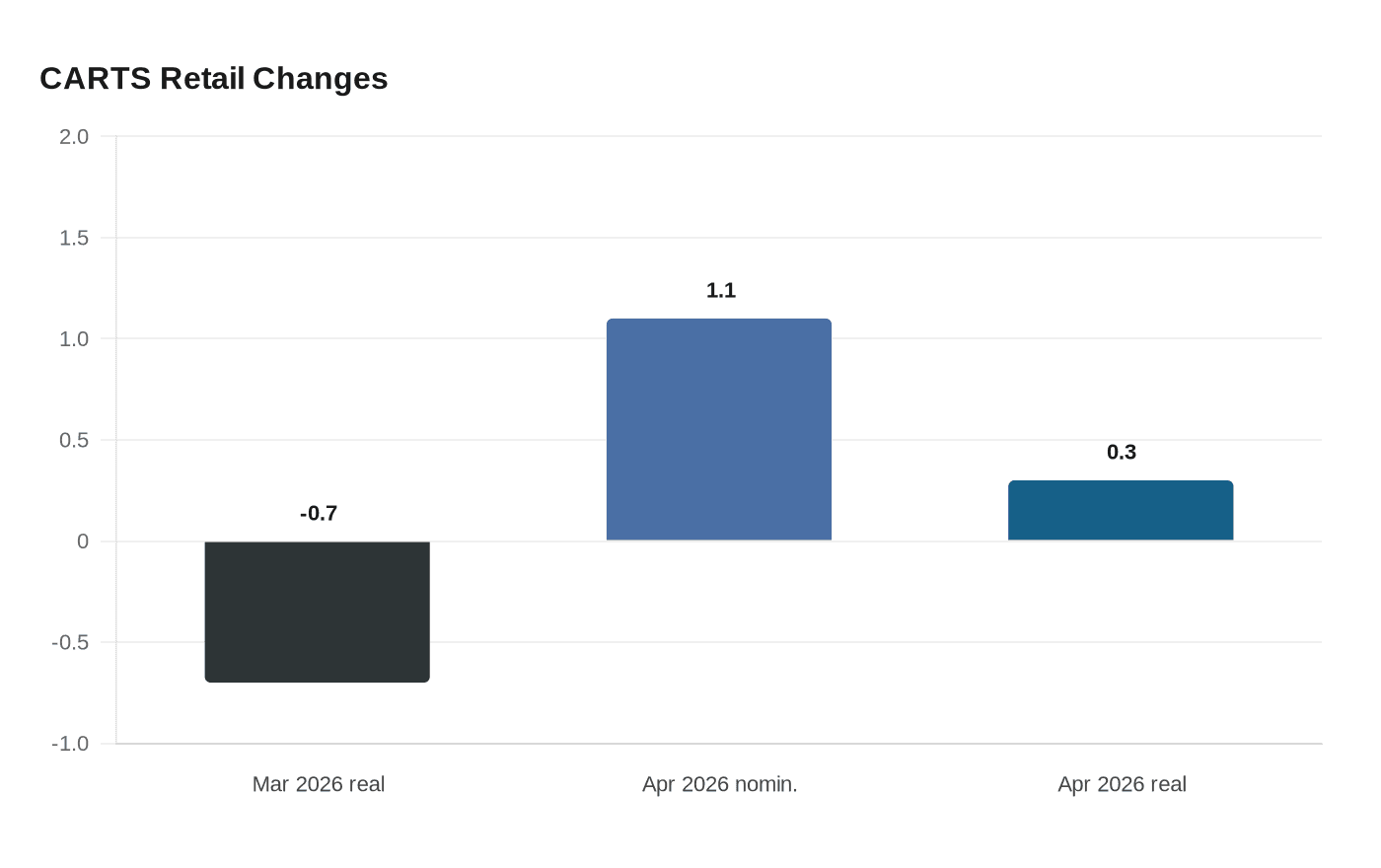
The Chicago Fed’s CARTS update, released May 7, projected April 2026 retail and food services sales excluding autos to rise 1.1% month over month on a nominal basis and 0.3% in inflation-adjusted terms. That gap matters on the sales floor. It suggests consumers kept buying, but they remained selective, weighing price and necessity before adding discretionary items to the basket.
CARTS is built to follow the U.S. Census Bureau’s Monthly Retail Trade Survey on a weekly basis, using a mixed-frequency model that pulls in payment card transactions, foot traffic, gasoline sales, consumer sentiment and price indexes. The dashboard also said the weekly retail price index now includes the Numerator Consumer Goods Price Index as one of its inputs starting with the April preliminary release. The preliminary April reading was set for May 7, and the final April release moved to May 13. The March 2026 real CARTS estimate was also revised to -0.7%, another reminder that month-to-month retail data can swing sharply.
For Big Lots workers, that combination points to a market that is stabilizing more than surging. When the real gain is only 0.3%, stores tend to win on quick, clear value signals, not broad consumer optimism. That usually means sharper execution on signage, cleaner price communication, fast replenishment and checkout speed, especially as spring traffic leans into seasonal goods and limited-time promotions.
Big Lots has spent the past year in a far tougher spot than the broader retail tracker suggests. The company filed for Chapter 11 protection on September 9, 2024, citing stubborn inflation, high interest rates and weaker demand for home goods such as furniture and decor. It agreed to sell itself to Nexus Capital Management for about $760 million and said it would close nearly 300 stores. CNBC reported that Big Lots had about $4.7 billion in fiscal 2023 revenue and more than 1,300 stores across 48 states at the time.
After the bankruptcy process, Variety Wholesalers bought 219 Big Lots stores and began reopening them in waves. The first nine reopened on April 10, 2025, followed by about 55 more on May 1, with additional openings scheduled through early June and a grand opening celebration planned for the fall. Lisa Seigies said the relaunch would lean harder into low-priced, name-brand apparel and “brands for less,” while reducing the emphasis on furniture.
That is the backdrop for a modestly positive April retail signal. Big Lots is not waiting for a sweeping rebound. It is trying to win with value, closeouts and fast-turning merchandise in a market where shoppers are still buying, but still doing the math.
This article was produced by Prism’s automated news system from verified source data, official records, and press releases, then run through automated quality and moderation checks before publishing. The system is built and supervised by the people who set the standards it runs under. Read our full AI policy.
Did this article answer your question?