Kroger retirement spotlights how retailers treat HR as a growth driver
Tim Massa’s retirement comes after Kroger said its New Beginnings program kept 93% of participants, a reminder that retailer HR can shape store stability.
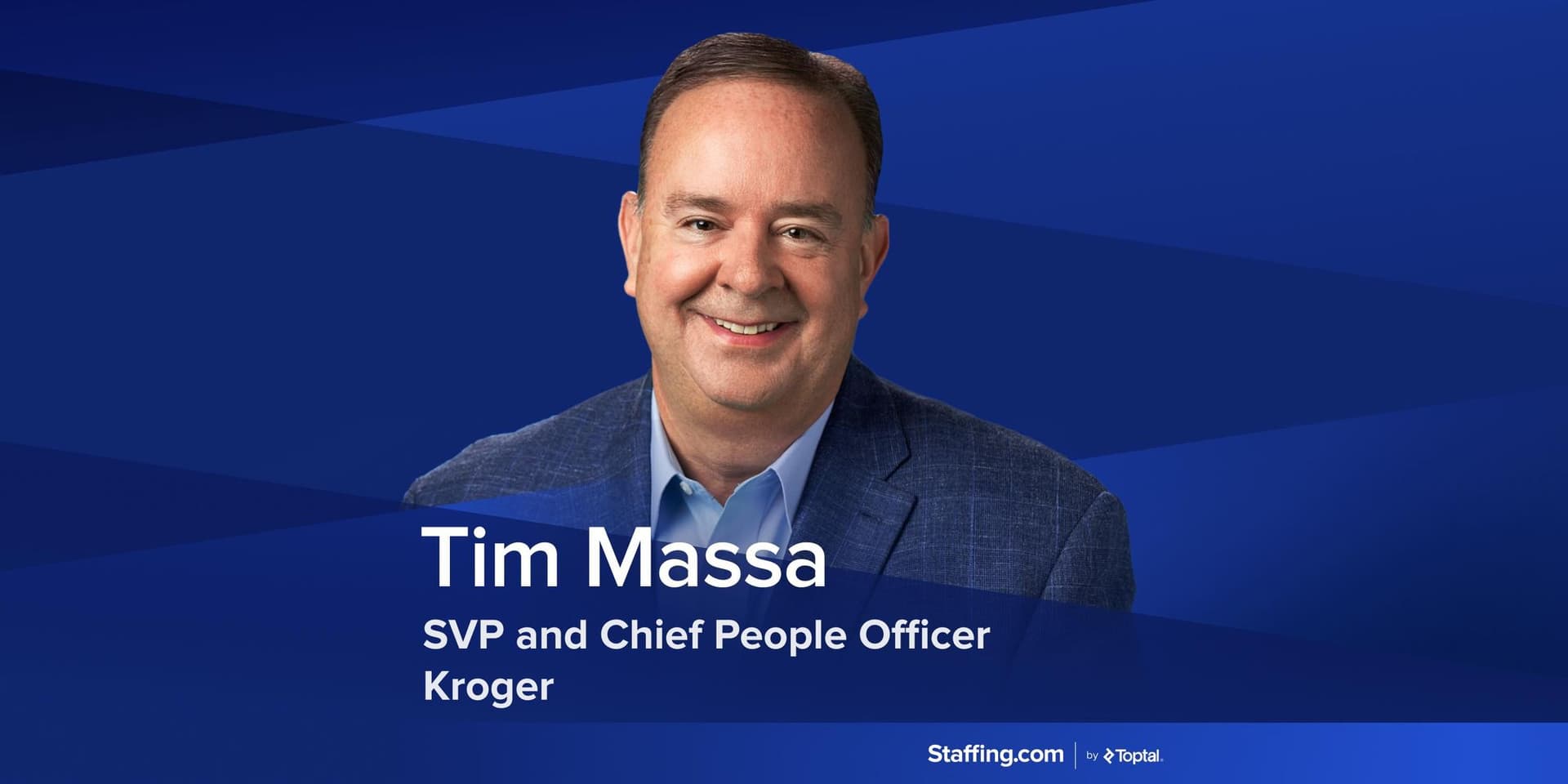
Kroger’s decision to mark Tim Massa’s retirement on Sept. 18 is less about one executive leaving and more about what it says about the job behind the job. In a business where stores can only run as well as the people on the floor, Kroger is signaling that HR is not back-office administration. It is part of the operating model, the difference between a store that stays staffed and trained and one that slips into daily churn.
Massa joined Kroger in 2010 after 21 years at Procter & Gamble and spent 16 years at the Cincinnati grocer, rising from vice president of Talent Development to group vice president of Human Resources and Labor Relations, chief people officer, senior vice president, and eventually executive vice president and chief associate experience officer. Kroger said he led strategy across talent, leadership development, labor relations, total rewards, associate well-being and culture. That is a broad mandate, but in retail it maps directly to the things workers feel most: whether schedules make sense, whether managers are prepared, whether pay and benefits are clear, and whether there is a path beyond the front end.

Kroger also tied Massa’s career to New Beginnings, the company’s program for helping hourly associates build long-term careers. The company said the program was formed in 2017, had hired more than 40 associates, and posted a 93% retention rate among participants. Kroger’s scale makes that kind of people work especially consequential. As of Feb. 1, 2025, the company employed more than 409,000 full- and part-time workers. At that size, even small gains in retention or internal promotion can change store execution across the chain.
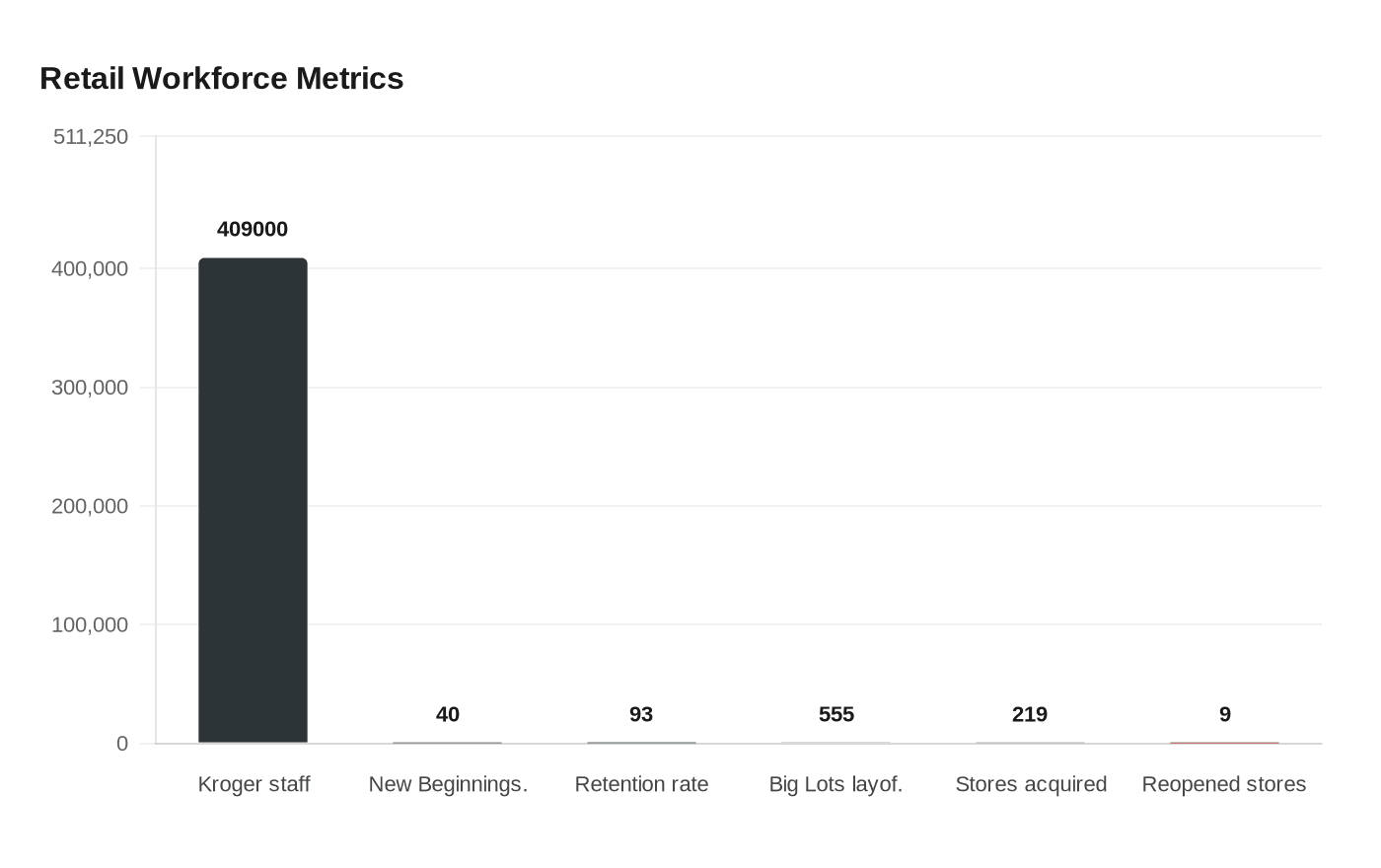
For Big Lots workers, the lesson is plain: people systems are business systems. Big Lots filed voluntary Chapter 11 bankruptcy on Sept. 9, 2024, in the U.S. Bankruptcy Court for the District of Delaware. By December, the company said it would begin going-out-of-business sales at all locations and planned permanent layoffs of up to 555 employees at its Columbus headquarters. Later, Variety Wholesalers acquired 219 Big Lots stores out of bankruptcy, and the first wave of reopened locations started on April 10, 2025, with nine stores across six states. That kind of whiplash puts a premium on scheduling discipline, retention, internal mobility and manager quality. If a retailer cannot build those systems, the instability shows up first on the floor, where workers have to absorb the confusion long before customers do.
This article was produced by Prism’s automated news system from verified source data, official records, and press releases, then run through automated quality and moderation checks before publishing. The system is built and supervised by the people who set the standards it runs under. Read our full AI policy.
Know something we missed? Have a correction or additional information?
Submit a Tip