Dollar General store locator shows expanded services reshaping customer expectations
Dollar General's locator now advertises delivery, pickup, money services, and fresh food, turning a simple search tool into a bigger workload for store teams.
Dollar General’s store locator now lists DG Pickup, DG Delivery, FedEx, Western Union, DoorDash, Uber Eats, and fresh produce alongside nearby stores. It acts like a live promise sheet for what a store may be expected to do: fill orders, hand off pickups, accept packages, move money, and get essentials to the door. For store teams, that means the customer walking in is not always treating Dollar General like a quick cash-and-carry stop anymore.
The locator is now a service menu, not just a search bar
The company’s locator lets customers search by ZIP code, by city and state, or by their current location. In rural areas, one store can pull traffic from a wide radius and function as a local convenience hub rather than a neighborhood corner shop. The web experience also surfaces the broader service stack tied to Dollar General locations.
That mix changes what people expect when they arrive at the counter. A shopper may want to know whether a package can be dropped off, whether a pickup order is ready, whether food items can be delivered, or whether the store carries fresh produce. The locator makes those services look current and available, which puts pressure on the store floor to make sure the answer is yes, or to explain clearly when it is not.
What that means for the store level
The immediate burden lands on the people who already have to juggle the register, freight, cleaning, recovery, and customer questions at the same time. When a store is shown online as offering pickup, delivery, package services, and money transfer options, each of those services adds a separate expectation: speed at the front end, accuracy in the backroom, and consistency at handoff.
DG Delivery is a good example of how broad the promise has become. The service shops the order, communicates with the customer about substitutions, and delivers everything to the customer’s door. That is a very different expectation from a shopper simply browsing shelves and paying at checkout. It also creates more opportunities for friction when a store is short-staffed, because substitutions, staging, and handoff all take time that does not disappear just because the website lists the service.
DoorDash and Uber Eats raise the stakes further. DG items are available through DoorDash’s marketplace app and web, and Dollar General announced on August 8, 2025, that Uber Eats would bring more than 14,000 Dollar General and pOpshelf locations to its platform. Once those services go live, associates are not only serving whoever is standing in the aisle. They are also serving the expectations of digital customers who may never set foot inside the store until something goes wrong.
The footprint behind the promise
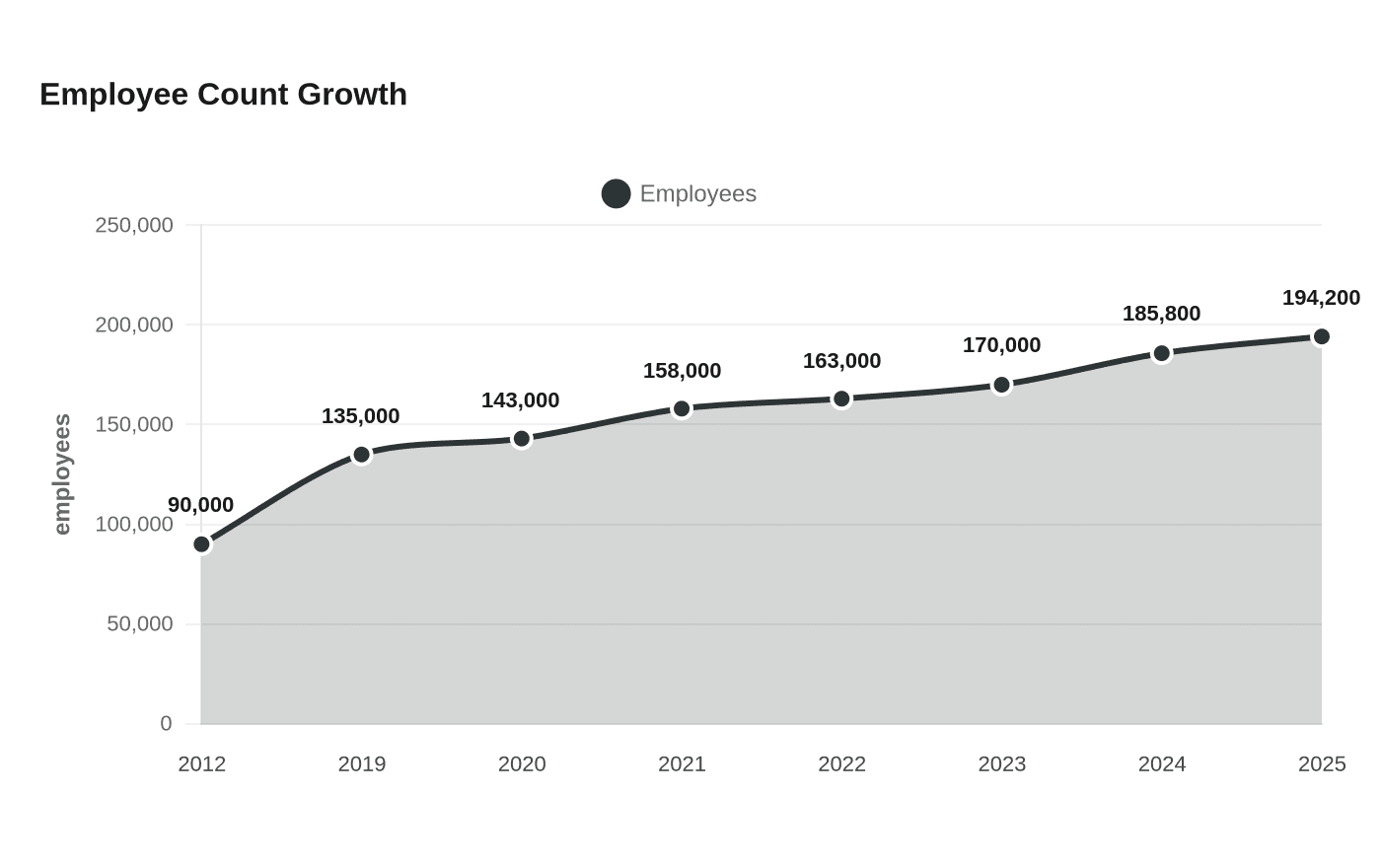
As of January 30, 2026, Dollar General said it operated 20,893 stores across the United States and Mexico, including Dollar General, DG Market, DGX, pOpshelf, and Mi Súper Dollar General locations. That footprint gives the company enough reach to make these services feel standard, even when execution varies by store, by market, and by staffing level.
Fresh food is part of that same story. Dollar General’s 2025 CSR report said the company provided fresh produce in more than 7,000 stores nationwide, including 1,350 stores in USDA-designated food deserts. On paper, that turns the chain into more than a place for shelf-stable snacks and household staples. On the floor, it means produce handling, replenishment, and quality checks become part of the daily routine in stores that may not have been designed for that level of food complexity.
Why delivery and pickup change checkout pressure
Pickup and delivery services tend to look seamless on a webpage because the customer sees only the front end. The store sees the rest. Orders have to be received, shopped, staged, handed off, and explained when substitutions are needed or an item is missing. That work often lands at the same counter where customers still need tobacco purchases, returns, Western Union service, FedEx drop-offs, and regular checkout.
The more services the locator surfaces, the less room there is for ambiguity. If a shopper sees all of those services tied to one store experience, the store team has to manage the pace of each one without letting the others slip. That means clearer handoffs, tighter communication, and more disciplined store routines, especially when the staff count is thin.
The safety backdrop makes the expansion harder to absorb
On July 11, 2024, the U.S. Department of Labor and OSHA announced a corporate-wide settlement with Dollar General that requires safety investments across stores nationwide. That settlement makes the operational load behind every added service more consequential, because the same stores that are being asked to do more are also being asked to do it more safely.
When a location is expected to handle shopping, pickup, package services, money transfer, produce, and third-party delivery, the store can become busier without becoming any better staffed. It tells customers they can do more at Dollar General, but it also tells managers and associates exactly how much more the company is asking each store to absorb.
This article was produced by Prism’s automated news system from verified source data, official records, and press releases, then run through automated quality and moderation checks before publishing. The system is built and supervised by the people who set the standards it runs under. Read our full AI policy.
Did this article answer your question?