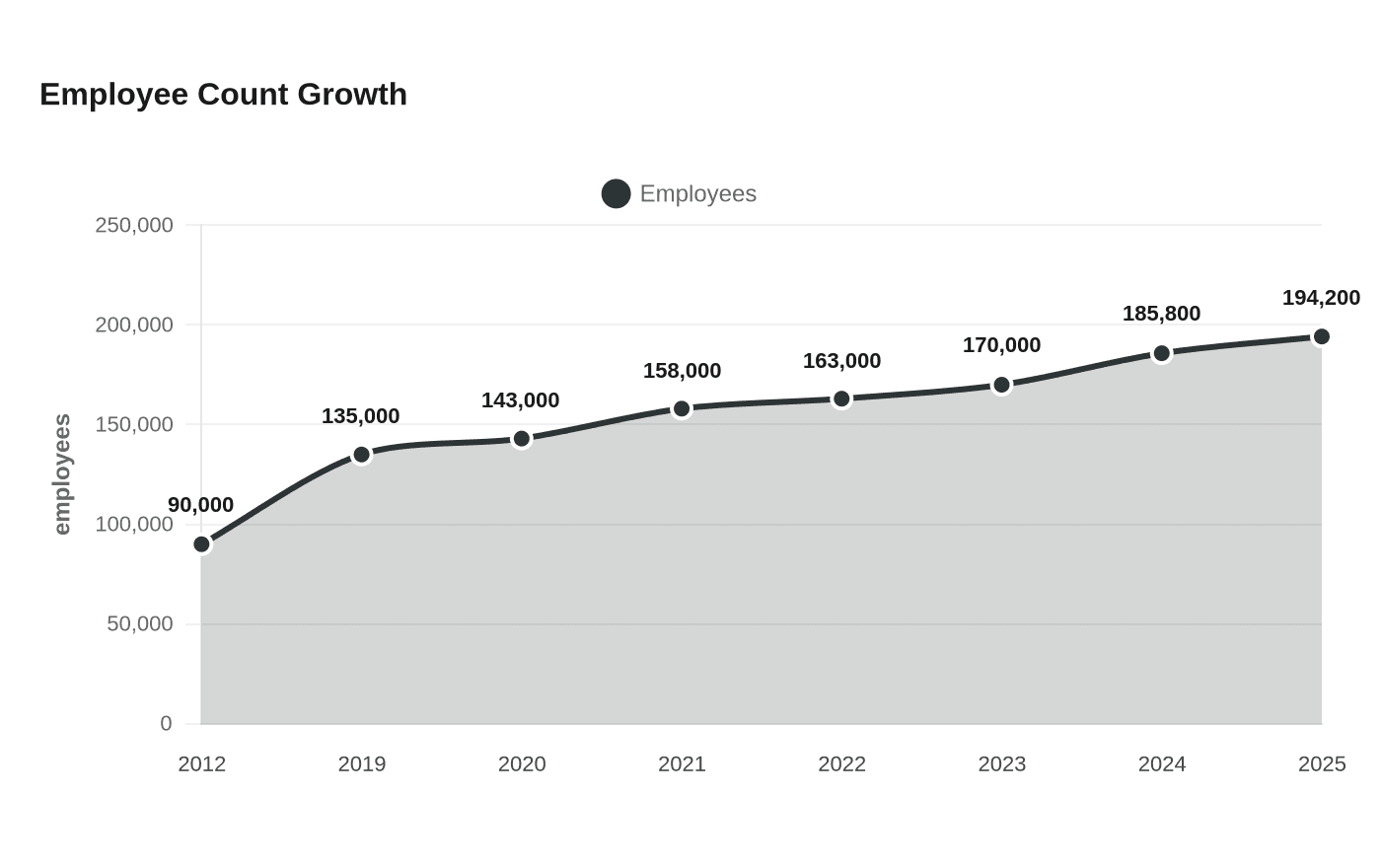
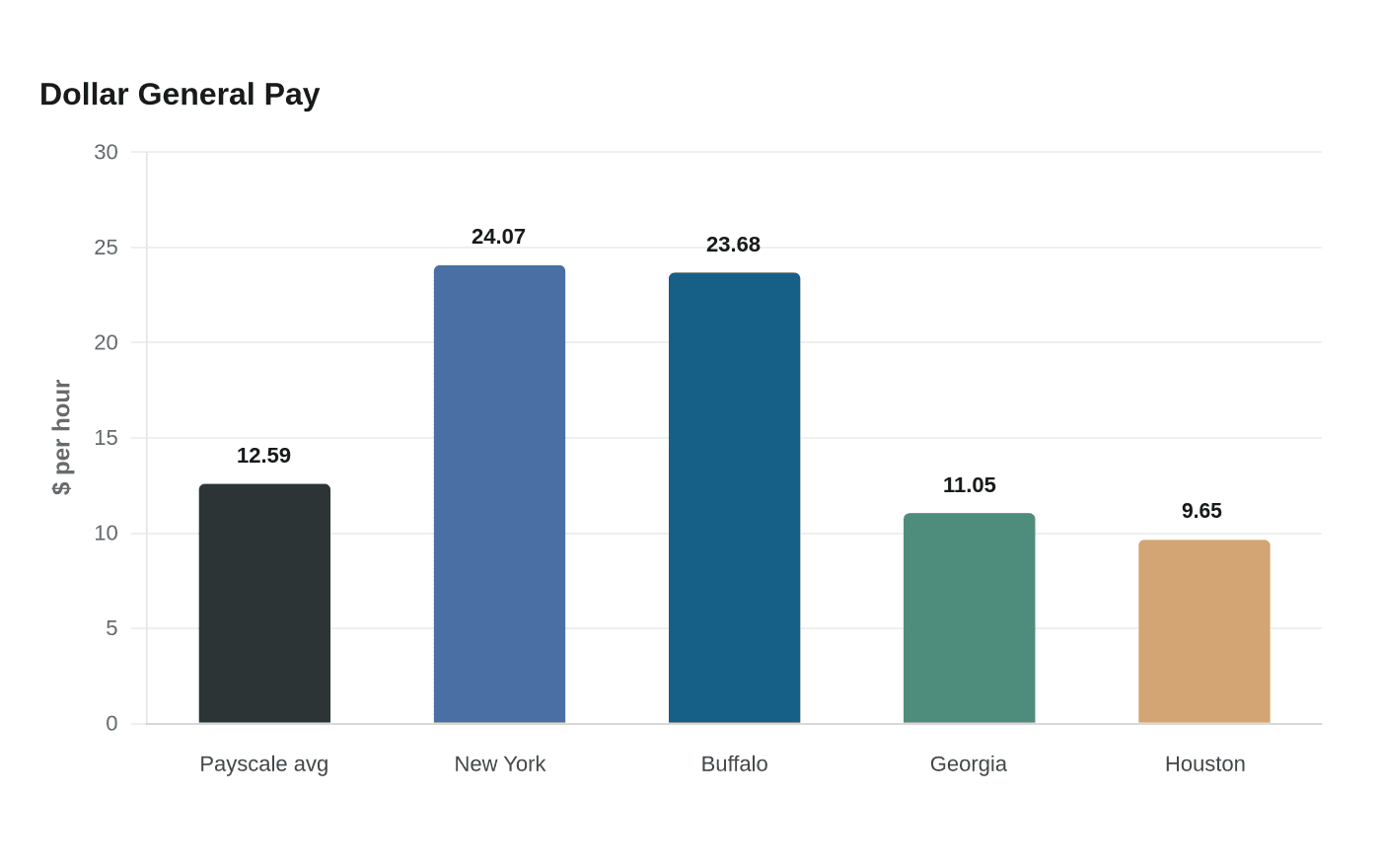
Dollar General workers can report hazards and wage issues without retaliation
Dollar General workers have federal protections for safety, pay, injury reports and organizing. The key is documenting problems and using the right agency before managers push back.
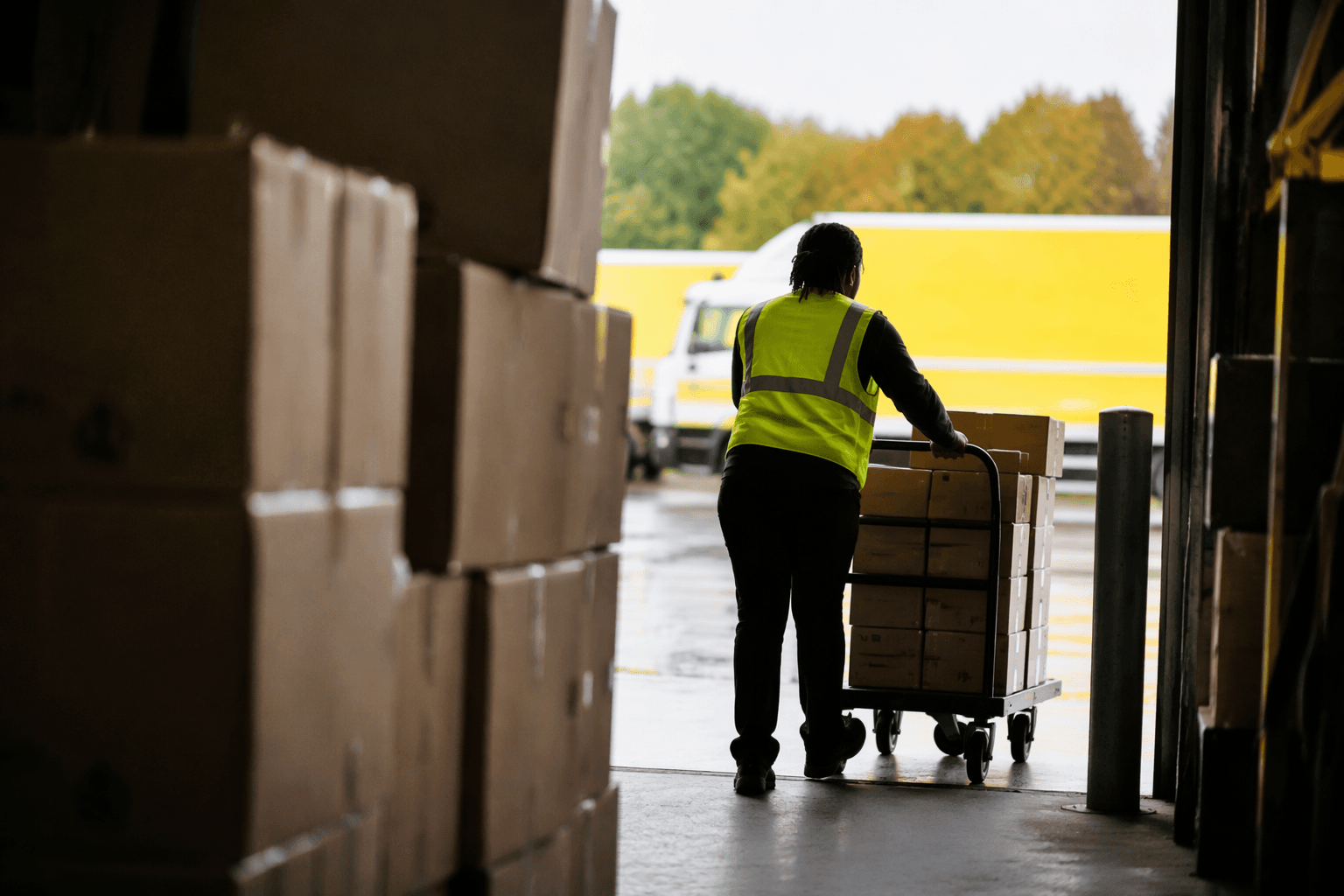
A blocked exit, a missed overtime payment, or a hostile manager after you speak up can trigger federal protections for Dollar General workers. The safest move is to act early, before a store hazard, pay dispute, or retaliation claim becomes harder to prove.
Know the rights before the problem grows
Workers have the right to a safe and healthy workplace, to report a work-related injury or illness, to request an OSHA inspection, and to raise health and safety concerns without fear of retaliation, protections summarized on Worker.gov. Employees can also get copies of their medical records and the workplace injury and illness log, and OSHA keeps employee safety complaints confidential.
At Dollar General, the same pressure points come up again and again: single-associate shifts, rushed unloading, blocked exits, cluttered back rooms, and situations where a worker is expected to keep the line moving even when a hazard is sitting in the aisle. A store-level problem becomes a legal rights issue when the problem affects safety, pay, discrimination, or the right to act with coworkers.
The safety playbook is already built
On July 11, 2024, OSHA announced a corporate-wide settlement with Dollar General and its retail subsidiaries that applies nationwide, covers more than 19,000 stores, and requires safety investments designed to make hazards less likely to linger long enough to hurt someone.
The settlement requires Dollar General to correct covered hazards generally within 48 hours and submit proof that the correction happened. It also calls for annual unannounced compliance audits, a new Safety Operations Center, a third-party consultant, an anonymous hotline, quarterly reports to OSHA, and monetary assessments if hazards are not corrected. The agreement specifically covers blocked emergency exits, blocked electrical panels, blocked fire extinguishers and improper material storage.
If you see a blocked exit, a fire extinguisher hidden behind freight, or an electrical panel buried under boxes, that is not just a housekeeping issue. Federal inspectors have repeatedly cited Dollar General for those hazards, and the company is now under an agreement built around fixing exactly those conditions.
When a complaint should leave the store and go federal
OSHA said on July 11, 2024, that Dollar General had more than $21 million in proposed penalties after 240 inspections since 2017. In 2023, OSHA said Dollar General had been cited in more than 180 inspections and faced more than $15 million in fines since 2017.
OSHA said inspections in Alabama, Florida and Georgia alone produced nearly $10 million in proposed penalties after more than 30 investigations between Feb. 1, 2022 and Apr. 20, 2023. Those findings involved blocked exits, fire extinguishers, electrical panels, unsafe storage and falling-box hazards.
If the same condition keeps coming back, if a manager tells you to work around it, or if you are told not to document it, consider a formal safety complaint.
How to protect yourself before you report
The most useful record is the one you make before a manager can rewrite the story. Keep your own notes on the date, store, shift, what you saw, who was present, and what you told the supervisor. Save pay stubs, schedules, texts, photos of the hazard, and any write-up or message that follows your complaint.
If you are injured or get sick on the job, ask for the incident report and keep copies of medical records and any paperwork tied to the injury. You have the right to see the workplace injury and illness log, which can help show whether a store has a pattern of injuries that never gets discussed openly.
A clean paper trail matters most when the issue is not just the hazard itself but what happens after you raise it. Sudden schedule cuts, threats, changed duties, or discipline after a complaint can turn a safety issue into a retaliation issue.
Where to file when the problem is pay, retaliation or discrimination
Federal law protects workers from retaliation when they exercise rights tied to safety, wages, discrimination or collective action. Workers can also file wage-and-hour complaints if they are not paid properly, not paid overtime, or run into recordkeeping problems.
That means a pay stub that does not match hours worked is not something to shrug off, especially in a retail operation where staffing is thin and closing tasks can push a shift past the scheduled end time. If pay is wrong, keep your schedules, time records, and messages that show when you were asked to stay late or work off the clock, then use the Labor Department’s federal wage-and-hour complaint process.
If the problem is discrimination or retaliation tied to protected status, the Equal Employment Opportunity Commission is the federal agency that handles those claims. EEOC enforcement actions involving Dollar General operators have included age discrimination and retaliation allegations, and in 2025 the agency filed a suit alleging disability discrimination and unlawful retaliation involving a store manager.
Working together is protected too
Private-sector employees have the right to join together to improve wages and working conditions, and to act collectively even without a union, protections enforced by the National Labor Relations Board. That includes talking with coworkers about pay, hours, benefits, unsafe work conditions and petitions for better hours.
At Dollar General, the problems are often shared. One worker may notice the blocked exit, another may be shorted on overtime, and a third may be getting pressured after reporting a spill or injury. Federal labor law protects concerted activity, so discussing those problems together is not misconduct just because management dislikes it.
This article was produced by Prism’s automated news system from verified source data, official records, and press releases, then run through automated quality and moderation checks before publishing. The system is built and supervised by the people who set the standards it runs under. Read our full AI policy.
Did this article answer your question?