Goldman Sachs Backs AI Infrastructure Picks as Multi-Year Capex Cycle Unfolds
Brook Dane of GSAM told Bloomberg the AI capex cycle is "early to mid-cycle," flagging Marvell Technology as an under-the-radar bet as infrastructure spending accelerates past near-term geopolitical risk.
Brook Dane delivered a pointed message on Bloomberg Television Wednesday: the AI trade has shifted, and investors still chasing software names are looking at the wrong part of the stack.
Dane, co-head of public tech investing at Goldman Sachs Asset Management, argued that the next leg of AI spending will resemble a multi-year industrial capex cycle far more than the winner-take-most software rallies that defined earlier phases of the technology boom. GSAM's bottoms-up analysis of corporate commitments showed accelerating spend even as the Iran conflict elevated risk premia across global markets.
"Yes, the world is more uncertain today than it was four months ago," Dane said. "And risk premia have probably moved higher, structurally, because of that. It doesn't change the direction and magnitude of what we are seeing."
His preferred positioning: semiconductor companies and networking names. GSAM's baseline, he told Bloomberg, is that investors "want to still be involved in the semiconductor names, the networking names, things like that that are the direct beneficiaries of the spending." He characterized the firm's stance as "early cycle to mid-cycle," a framing that implies years of sustained capex commitment rather than quarters. Compute capacity, he added, remains "the most constrained resource" in the market, a bottleneck that structurally favors physical infrastructure builders over application-layer software plays.
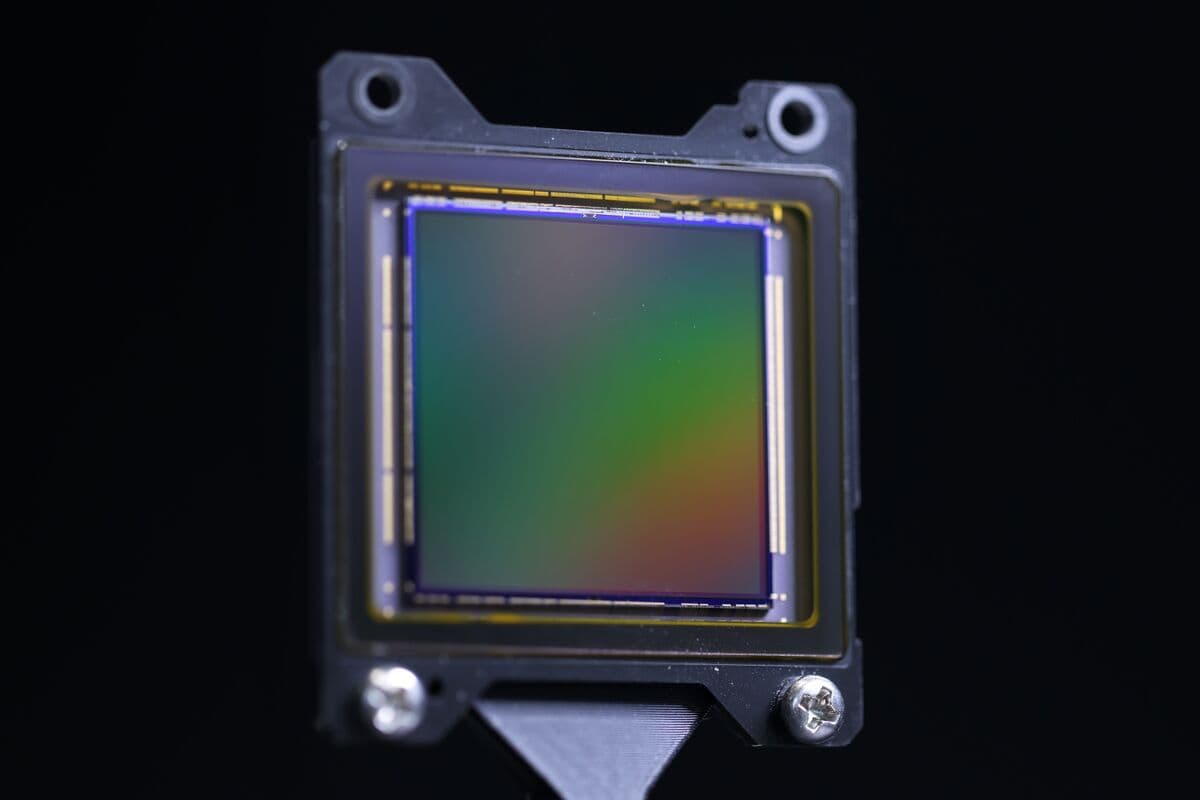
Marvell Technology surfaced in the Bloomberg analysis as a specific example of the opportunity set: a chip designer embedded in hyperscaler supply chains that has not attracted the same attention as larger-cap semiconductor names despite direct exposure to AI infrastructure buildouts.

For Goldman professionals translating that view into client conversations and portfolio narratives, the variables that matter over the next two quarters are concrete and measurable. Order books at semiconductor equipment makers will reveal whether the capex commitment is hardening or softening. Utilization rates at existing data centers indicate whether current supply can absorb demand or whether new builds remain essential. Hyperscaler capex guidance in upcoming earnings calls will either validate or challenge GSAM's acceleration thesis. And power-grid constraints, already throttling deployment timelines at major build sites, remain the wildcard that no amount of chip supply can offset.
The internal implications cut across several Goldman functions. Equities and research professionals covering technology will face sustained client demand for sector positioning tied to the capex narrative, and the picks-and-shovels frame gives coverage teams a durable conversation anchor. M&A and strategic advisory bankers could see deal flow driven by consolidation among chip suppliers, networking vendors, and data-center service providers. That pipeline, if it converts, supports the kind of variable compensation outcomes that make an infrastructure-focused cycle attractive for mid-level bankers beyond the equities desk.
There is also a talent dimension. Hyperscalers, chip designers, and cybersecurity vendors ramping up to meet the buildout are the same companies GSAM is flagging as multi-year capex beneficiaries. Analysts and technologists who build genuine expertise in semiconductor supply chains and data-center economics inside Goldman's trading, research, and infrastructure divisions are positioning themselves precisely where the downstream job market is headed. Dane's thesis, in that sense, is not just a market call; it is a guide to where specialized knowledge will carry a premium for the next several years.
This article was produced by Prism’s automated news system from verified source data, official records, and press releases, then run through automated quality and moderation checks before publishing. The system is built and supervised by the people who set the standards it runs under. Read our full AI policy.
Know something we missed? Have a correction or additional information?
Submit a Tip