Goldman Sachs lifts KOSPI target to 9,000 on chip boom
Goldman now sees Korea as Asia’s top equity bet, with a 9,000 KOSPI target and 300% earnings growth tied to chips, AI demand, and Value-Up reforms.
Goldman Sachs Research has pushed its 12-month KOSPI target to 9,000 from 8,000 and lifted its MSCI Asia Pacific ex-Japan target to 990 from 920, putting South Korea at the center of the firm’s regional equity story. The call matters inside Goldman as much as it does in the market: when one country becomes the firm’s highest-conviction equity market in Asia, the people closest to that call, especially Asia research, equity strategists and tech-facing bankers, tend to gain more influence as clients chase the same theme.
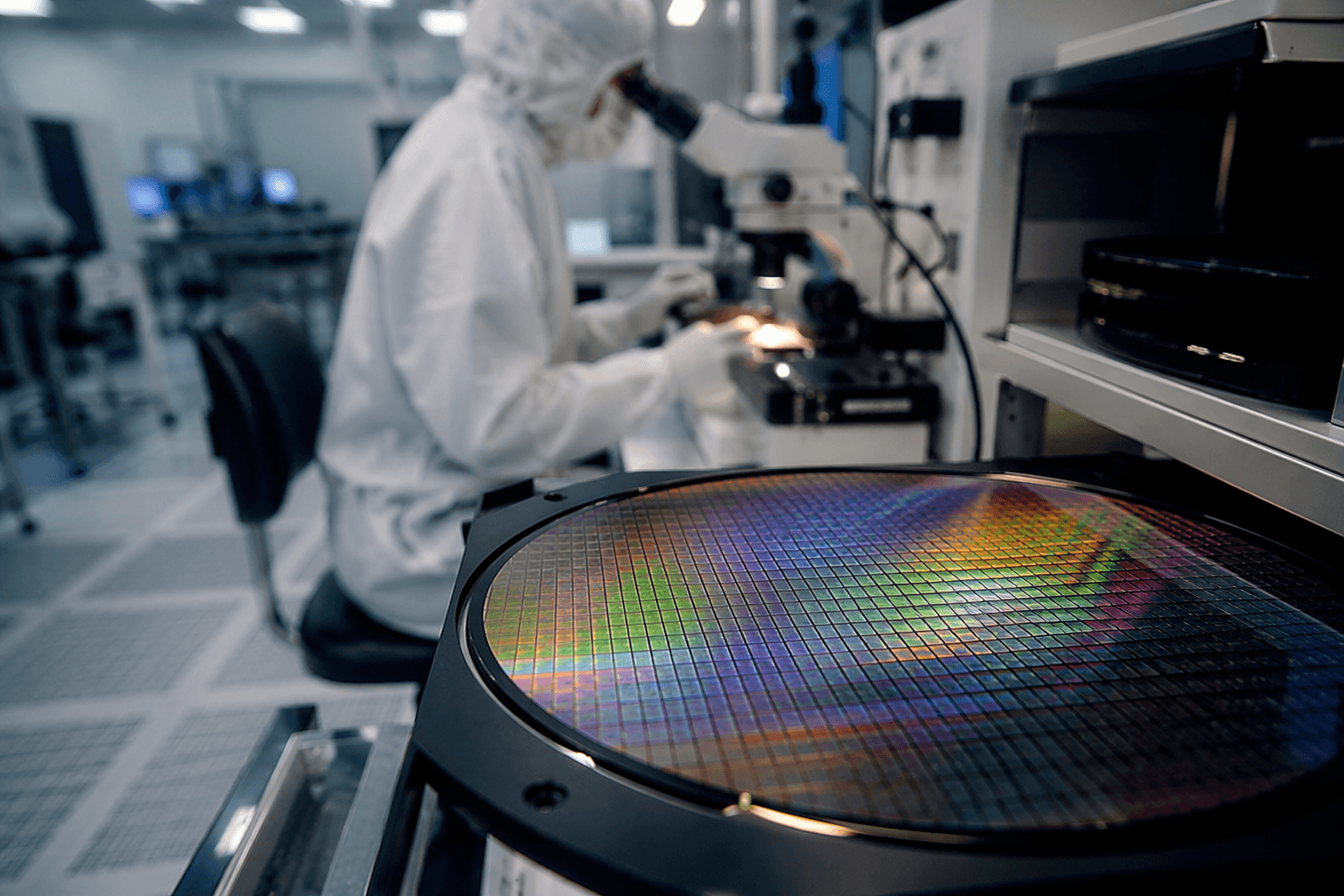
The bank’s May 21 report rests on a semiconductor memory supercycle that is still gathering force. Supply shortfalls in memory chips, hyperscaler demand and AI-related compute needs are all pushing prices higher, and Goldman expects Korea’s 2026 earnings growth to reach about 300 percent. It said that would be the strongest annual profit expansion in any Asian market since the recovery that followed the Asian financial crisis in 1999. For analysts and associates covering Korea, that kind of forecast can quickly turn into a heavier workload, more internal visibility and a stronger argument for promotion if the trade keeps delivering.
The timing has only sharpened the message. The KOSPI first moved above 7,000 on May 6, closing at 7,384.56 as an AI-driven rally in semiconductor stocks sent Samsung Electronics past a $1 trillion market value. By May 26, the index had climbed above 8,000 for the first time. In other words, the market had already raced ahead of the note by the time Goldman made its latest call, which only increases the pressure on rival desks to explain whether they are underweight the same chip cycle.
Goldman’s view is not just about memory pricing. Local reporting said the bank also pointed to South Korea’s Value-Up program as a rerating force, and that part of the story is starting to show up in the data. The Korea Exchange said 718 companies had disclosed corporate value-enhancement plans by May 8, including 130 new disclosures in April alone. That gives Seoul-based equity teams and corporate bankers a broader argument to make to clients: the rally is being supported by policy as well as profits.

The macro backdrop is moving in the same direction. South Korea’s ICT exports reached $42.71 billion in April, customs data showed semiconductor exports up 202.1 percent year over year in the first 20 days of May, and Goldman economists projected the country’s current-account surplus could top 10 percent of GDP this year. For Goldman staff, the prize is clear. If Korea stays the firm’s highest-conviction theme, the semiconductor cycle will not just lift a target price. It will concentrate attention, deal flow and prestige around the desks that can turn the boom into repeat business.
This article was produced by Prism’s automated news system from verified source data, official records, and press releases, then run through automated quality and moderation checks before publishing. The system is built and supervised by the people who set the standards it runs under. Read our full AI policy.
Know something we missed? Have a correction or additional information?
Submit a Tip