Goldman Sachs cuts oil forecasts after U.S.-Iran ceasefire eases risk premium
Goldman lowered near-term oil and gas forecasts after the U.S.-Iran truce, but still sees Brent near $115 if Hormuz supply breaks again.

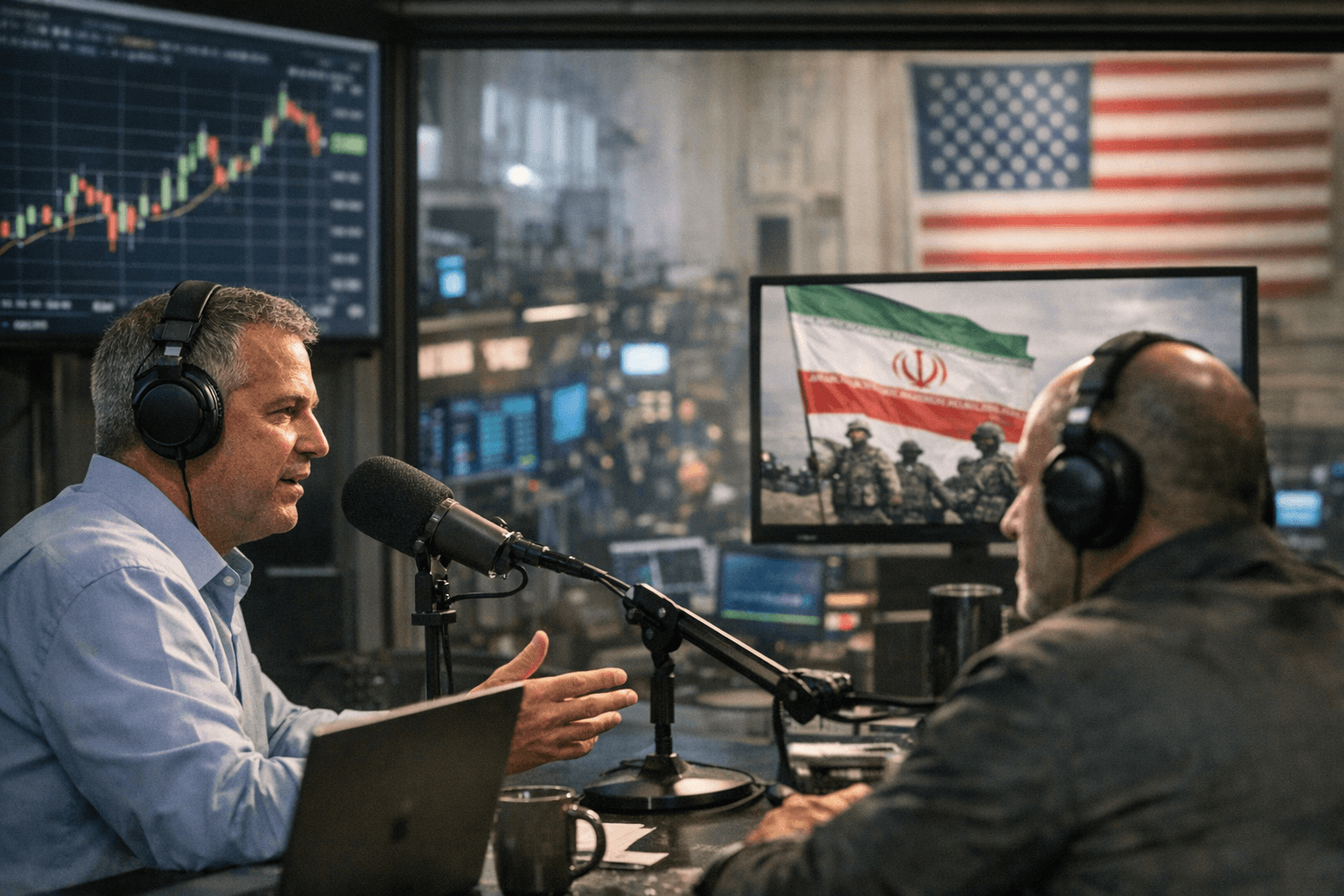
Goldman Sachs has cut its second-quarter oil calls, but the bigger message for traders is that the downside case and the shock case are still far apart. After the U.S. and Iran agreed to a two-week ceasefire, the bank trimmed its Q2 2026 Brent forecast to $90 a barrel from $99 and its U.S. crude call to $87 from $91, saying the front-end risk premium had fallen as flows through the Strait of Hormuz began edging higher.
That is the base case. The stress case is still aggressive enough to keep commodities desks, macro strategists and client sales teams busy. Goldman left its third- and fourth-quarter Brent forecasts at $82 and $80, with WTI at $77 and $75, but said Brent could still average about $115 in the fourth quarter if Middle East production losses reached around 2 million barrels a day. Bloomberg later said the bank’s broader modeling pointed to Brent averaging more than $100 through 2026 if the Strait of Hormuz stayed closed for another month.
The contrast matters because crude is not just a directional trade. A quick reopening of the chokepoint eases inflation pressure, transport costs and airline fuel bills; a failed truce would do the opposite, pushing up costs across shipping, manufacturing and consumer prices. Brent was already down more than 11% for the week as markets priced in a reopening of the strait, but Goldman’s warning keeps a geopolitical hedge on the table for clients who cannot afford to assume the worst is over.
Goldman made the same two-track call in European gas. It cut its second-quarter TTF forecast to 50 euros per megawatt-hour from 70, assuming LNG flows through Hormuz would normalize gradually from mid-April. At the same time, the bank warned TTF could rise above 75 euros if LNG shipments were delayed sharply or infrastructure was damaged.
The backdrop is the kind of volatility that can lift client activity even when spot prices ease. For a firm that sells hedges, models tail risk and trades across crude, gas and cross-asset inflation exposure, the message is not that the conflict is solved. It is that the market has moved from one shock to a narrower base case, while still leaving Goldman enough upside risk to keep clients positioning for the truce to fail.
Know something we missed? Have a correction or additional information?
Submit a Tip