Goldman Sachs podcast weighs whether Iran ceasefire rally can push stocks higher
Lee Coppersmith’s podcast asked whether the Iran ceasefire rally was just tail-risk relief or the start of a bigger equity run, with options and volatility as the tell.
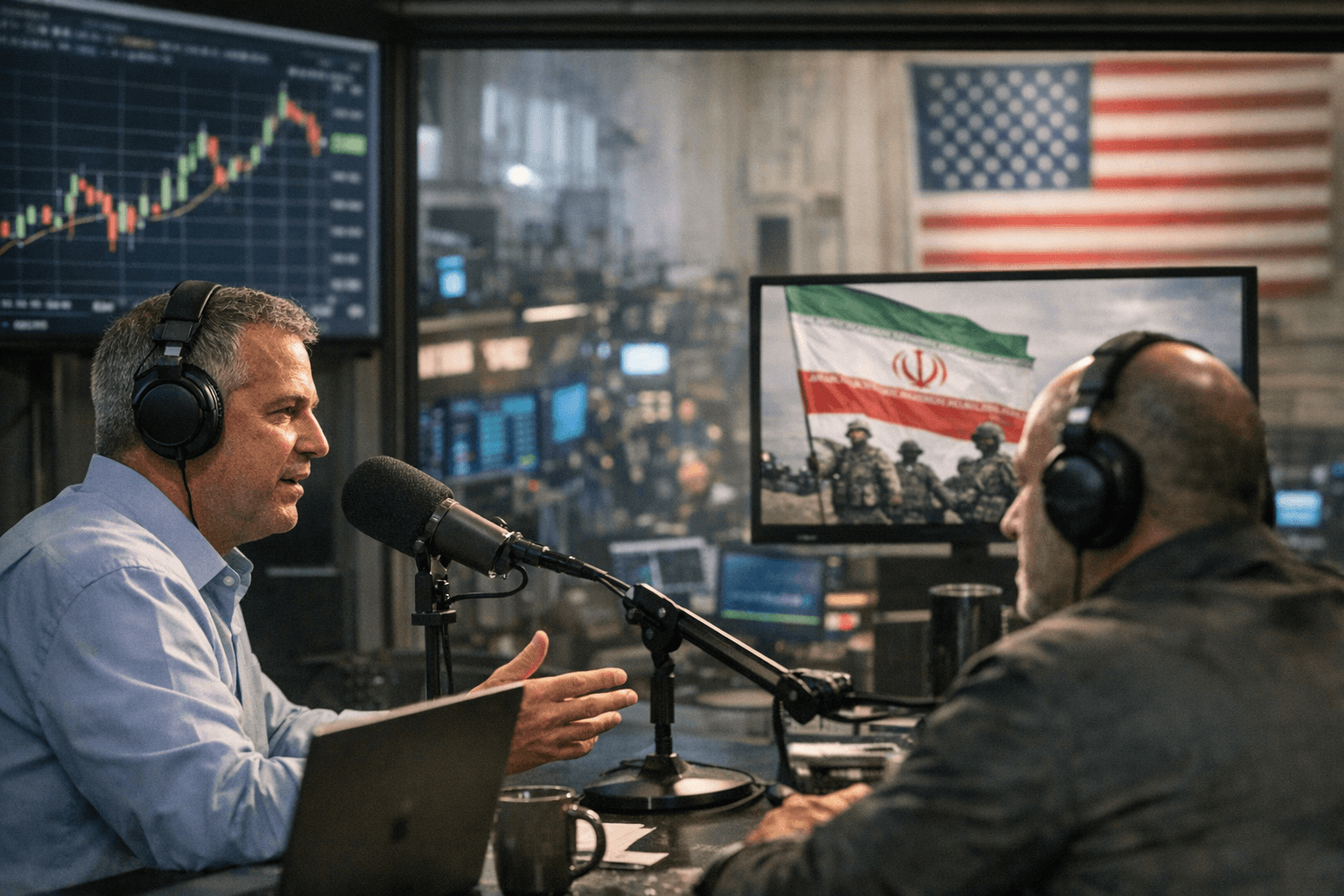
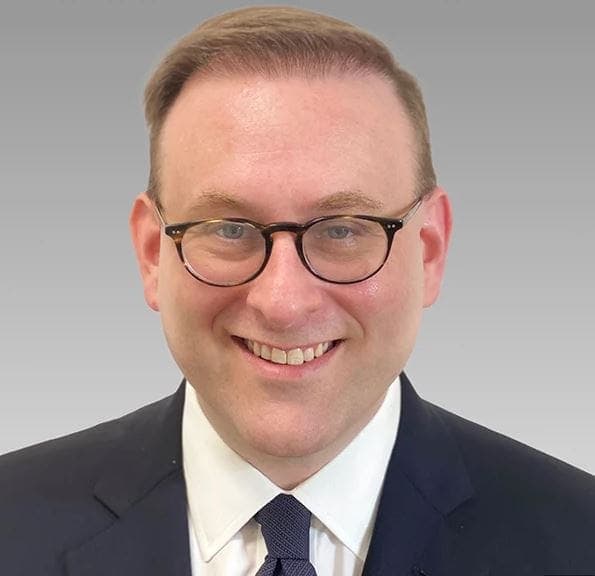
Goldman Sachs turned the Iran ceasefire rally into a live trading test, asking whether the shock move had only stripped out tail risk or whether it had reset the equity playbook. In an April 10 podcast, Lee Coppersmith, who co-runs New York Equity Derivatives Sales in Goldman Sachs Global Banking & Markets, focused on a practical question for clients: after a huge one-day rally on the Iran ceasefire deal, was there still room for stocks to go higher?
The answer, for now, is being judged less by the headline itself than by the market plumbing behind it. The signals Goldman’s sales and trading desks are watching include options positioning, volatility, and whether leadership broadens beyond the first burst of buying. If investors keep leaning into bullish expressions on U.S. equities without a spike in downside protection, that would suggest the rally has more room. If call demand fades, volatility re-prices higher, or the move stays trapped in a narrow group of names, the ceasefire bounce starts to look more like a short-lived relief trade.
Goldman’s own April Market Pulse note reinforced that view by saying the firm still saw “potential opportunities across global equity and fixed income markets” despite conflict in the Middle East. That matters inside the firm because it signals a desk-level willingness to keep trading around geopolitical shocks rather than retreating from them. For derivatives sales teams, that can translate into more work structuring hedges, leverage, and bullish overlays for clients who want upside but do not want to chase cash equities blindly.
The setup also fits with Goldman’s earlier trading commentary. In March, the firm said hedge fund positioning across U.S. equities could produce an “extreme rally” if a positive headline forced investors to unwind hedges. The Iran ceasefire move is the kind of catalyst that can expose how crowded positioning really is, especially if investors were already sitting on protection before the news hit. A follow-through rally would suggest that covering is still in motion; a quick stall would imply the move was mostly a one-off squeeze.
That backdrop matters for Goldman employees because equity derivatives remains one of the places where client demand can still turn market turbulence into revenue. Goldman’s 2025 derivatives research said equity funds had increasingly been using options as a risk-management overlay, while covered-call ETFs and systematic volatility-selling funds had already altered supply and demand in index optionality. In other words, more investors are using the same tools Coppersmith sells every day.
FINRA BrokerCheck shows Lee S. Coppersmith has been registered with Goldman Sachs & Co. since August 27, 2013, underscoring that the voice behind the podcast is a long-tenured sales-side operator, not a detached market pundit. If the ceasefire rally keeps extending, it could mean more flow, more hedging, and more structured equity business for Goldman. If it fades, the firm will know quickly that the market was still pricing headlines, not a new regime.
This article was produced by Prism’s automated news system from verified source data, official records, and press releases, then run through automated quality and moderation checks before publishing. The system is built and supervised by the people who set the standards it runs under. Read our full AI policy.
Did this article answer your question?