Goldman Sachs Rule 605 page explains best-execution transparency
Goldman’s Rule 605 page is more than legal boilerplate: it shapes routing, client reporting, and how traders prove best execution in a more transparent market.
Goldman Sachs maintains a Rule 605 page under 17 CFR § 242.605, formerly Rule 11Ac1-5. The disclosure framework shows how trades are handled. For people in equities, sales and trading support, and market-structure roles, it reaches into routing decisions, venue selection, transaction-cost analysis, and the performance story that follows a desk into client conversations and review season.
Why Rule 605 belongs on the desk, not just in legal
Rule 605 covers order execution information, which is a dry phrase for something traders live with every day: how well orders are filled and how that performance is shown to clients and regulators. At Goldman Sachs, the page is part of the firm’s SEC-required disclosures for order execution information, which makes it relevant to execution traders, product teams, and anyone who has to explain the mechanics of best execution.
Best execution affects how a desk routes orders, chooses venues, measures slippage and speed, and answers a client who wants to know why one fill looked better than another. In a bank where reputation and revenue are tied to execution quality, the page is a practical guide to how the franchise defends itself in a market where clients can compare brokers more easily than they could a decade ago.
What the reports actually show
The reports tied to Rule 605 are monthly electronic reports about execution quality on a stock-by-stock basis, based on the previous month’s trading activity. That structure makes the data useful for recurring review, since it lets desks track trends rather than rely on anecdote or a single busy session. It also turns execution into something measurable.
The numbers are not perfectly comparable from one market center to another because market structure differences can affect the results. The reports are a framework for understanding performance, not a simple leaderboard that can be copied into a pitch book without context.
Why the 2024 SEC changes raised the stakes
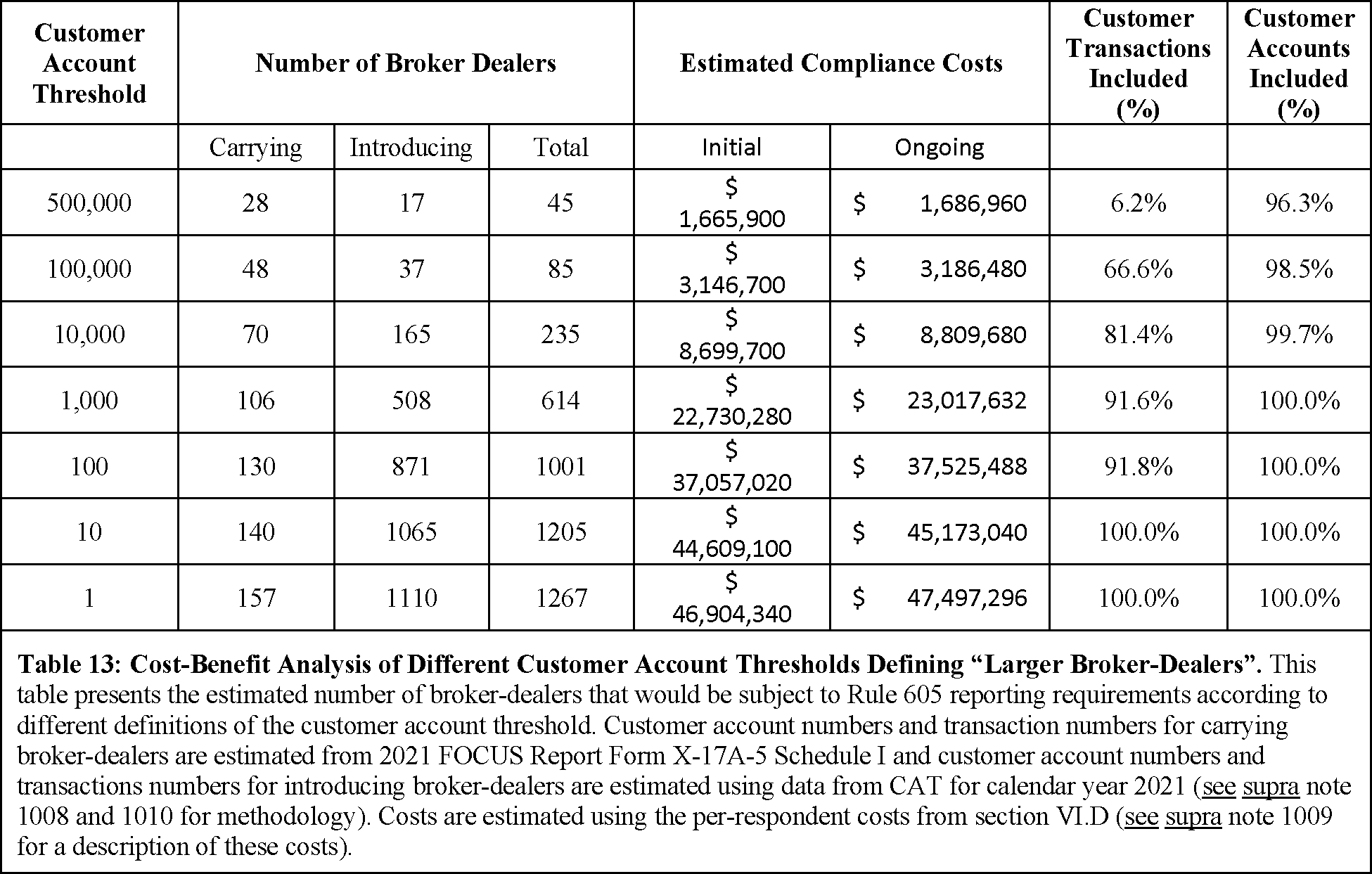
The SEC adopted amendments to Rule 605 in 2024 in Release No. 34-99679, File No. S7-29-22, under the title Disclosure of Order Execution Information. The changes expand the scope of reporting entities subject to the rule and modernize the required disclosures for NMS stocks. In practice, that means more firms and more detailed reporting obligations, which is the sort of shift that quickly reaches the people who build reports, maintain data feeds, and answer questions from sales and compliance.
The amendments will require sell-side firms to revamp execution quality reports. Possible overlap with other equity market-structure reforms still under consideration creates a moving target for desks that already have to keep pace with client demands, regulatory reviews, and internal controls. Goldman Sachs submitted a March 31, 2023 comment letter on proposed Regulation Best Execution and related market-structure proposals before the final rule landed.
The market-structure backdrop that makes this personal
The 2021 meme-stock and GameStop trading frenzies highlighted fragmentation, payment for order flow, and weak best-execution enforcement, pushing execution quality back into the center of the market-structure conversation. When volatility spikes and clients scrutinize trading costs more closely, desks are judged on whether they can explain fills clearly and defend their routing logic.
How Rule 605 fits with the rest of Goldman’s disclosure stack
Goldman also maintains a separate SEC Rule 606(a) disclosure page, making Rule 605 part of a broader framework covering both execution quality and order-routing practices. Clients care not just about where an order ended up, but how the bank decided to get there. Together, the 605 and 606 disclosures create a fuller picture of how orders move through the franchise.
For support teams, that means the work is not just about pulling numbers. Data quality, report formatting, and internal coordination between trading, technology, compliance, and legal all shape the final product. If the inputs are sloppy, the client conversation gets harder and the desk has less confidence in the story it tells about its own performance.
What Goldman employees should take from it
For newer employees, Rule 605 is not just legal boilerplate. It shows how a global bank defends its operating model with data, process, and transparency, and why detailed metrics matter to a market-making and execution business. The people closest to the flows need to understand the rule because it affects how the desk runs, how the franchise is sold, and how performance is judged.
This article was produced by Prism’s automated news system from verified source data, official records, and press releases, then run through automated quality and moderation checks before publishing. The system is built and supervised by the people who set the standards it runs under. Read our full AI policy.
Did this article answer your question?