Goldman Sachs says Europe’s energy crunch could accelerate electrification
Europe’s energy shock could end up lifting power demand, with Goldman seeing electrification and AI driving growth as high as 5% a year by 2030.
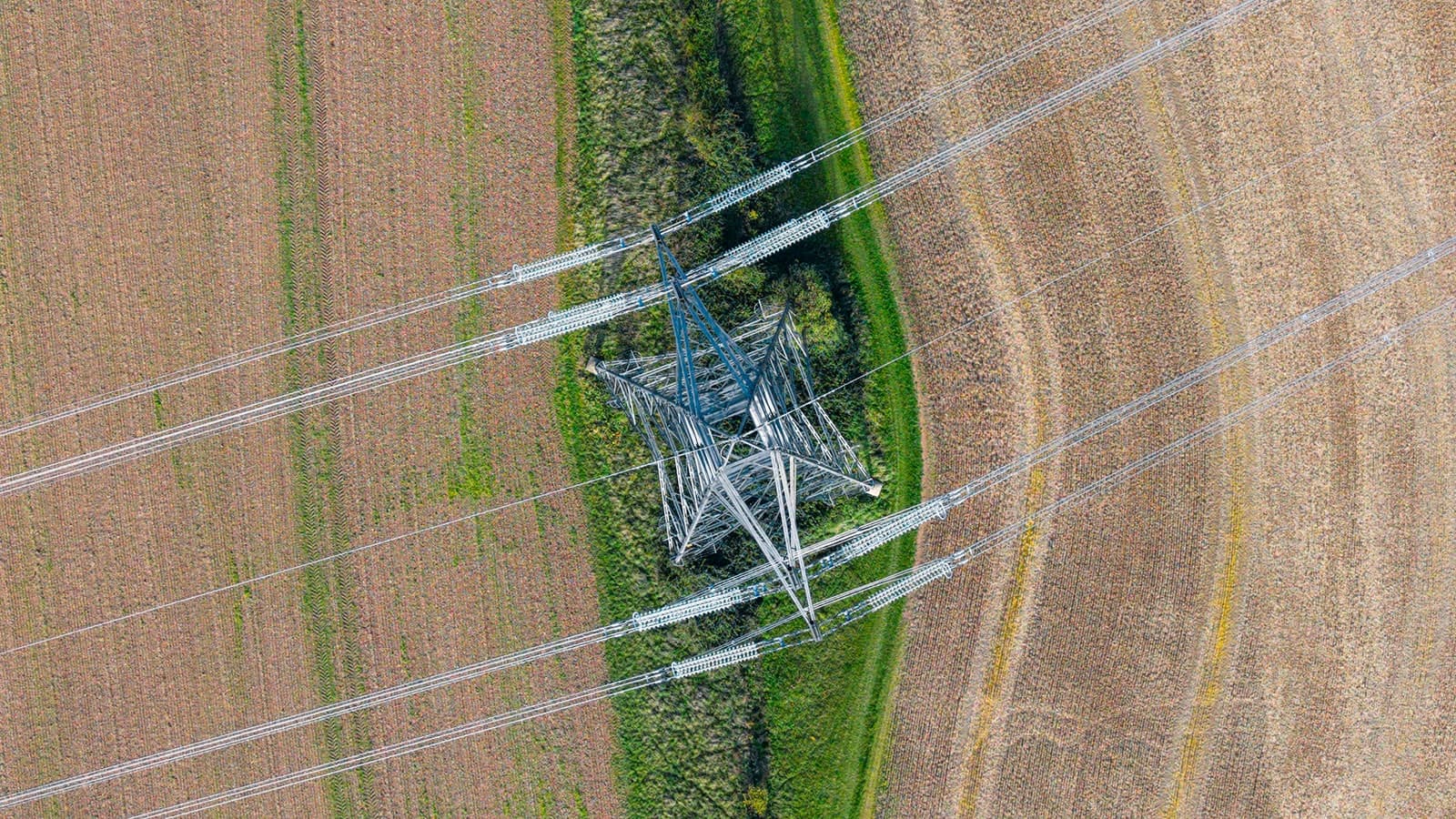
Europe’s latest energy shock may do more than push up utility bills. Goldman Sachs Research argued that the war in Iran has constrained gas and oil flows through the Strait of Hormuz, worsening Europe’s energy-security problem and making the case for faster electrification look stronger.
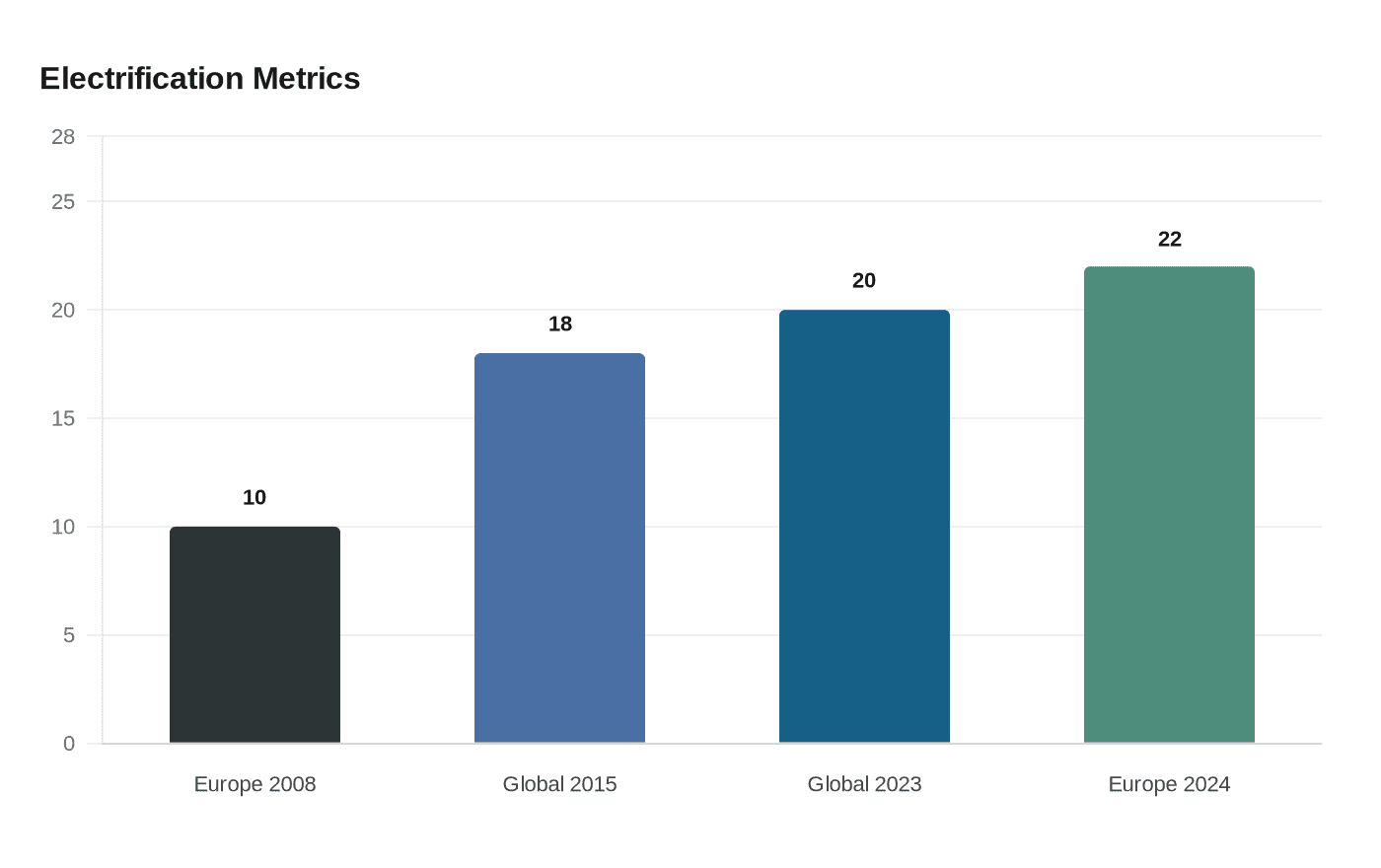
The bank’s earlier Europe electrification work pointed to a striking starting point: European electricity consumption has cumulatively declined by about 10% since 2008. Goldman now sees a reversal ahead, saying data centers and gradual electrification could lift Europe’s power demand by roughly 40% to 50% over the next 10 years. In its base case, power demand tied to electrification and AI rises 1.5% to 2% a year in 2026 and 2027, then accelerates to 2% to 4% a year by the end of the decade. In a more aggressive hyper-electrification scenario, growth could reach 5% a year starting in 2030.
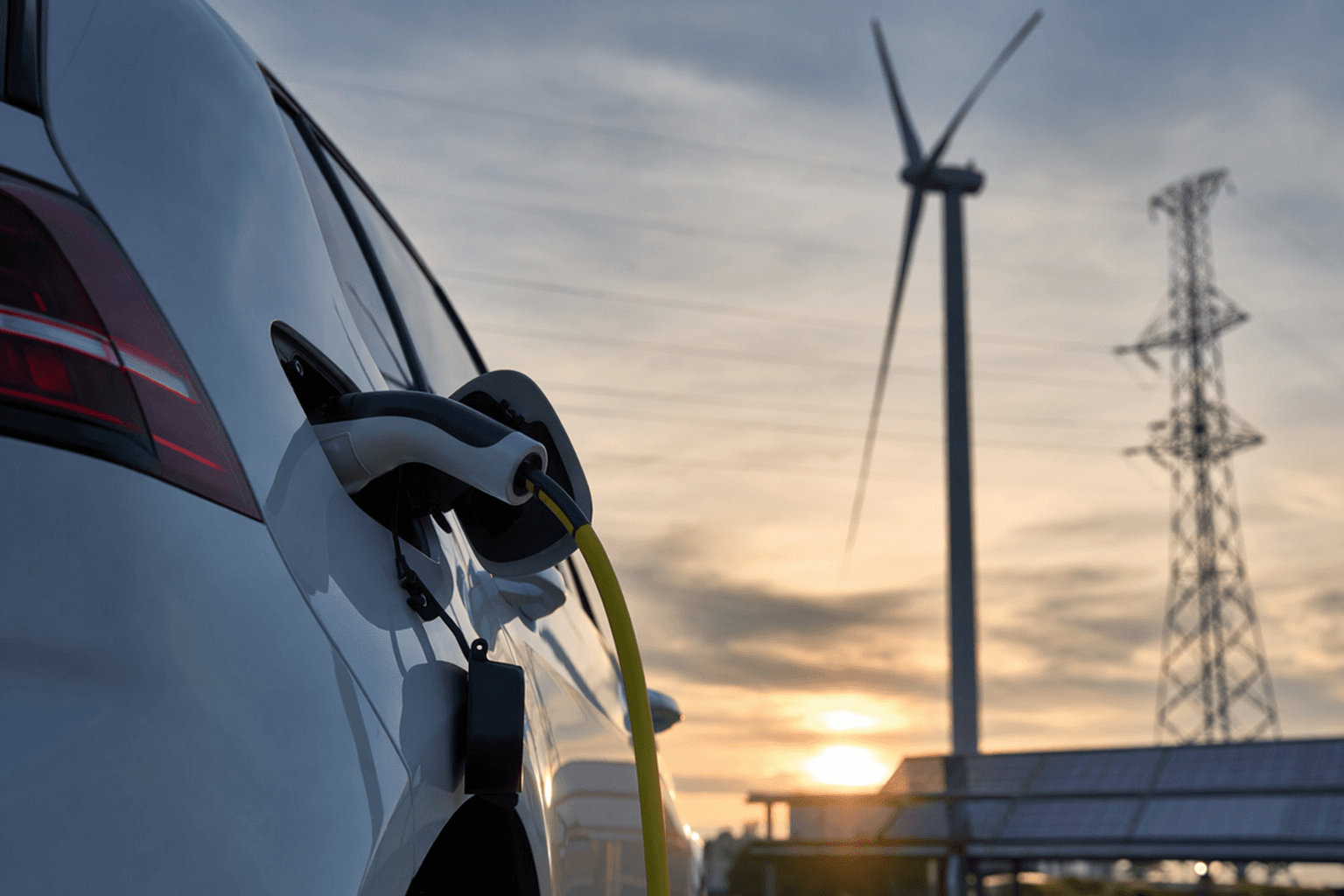
That matters because electricity still accounts for only about 20% of Europe’s energy mix, leaving room for substitution away from fossil fuels. The International Energy Agency said electricity’s share of final energy consumption reached 20% globally in 2023, up from 18% in 2015, while Enerdata put Europe at 22% in 2024. For Goldman, that is not just an energy transition theme. It is a setup that could support stronger earnings for utilities and create a longer runway for grid investment, storage, and power-intensive infrastructure.
The political and market backdrop has sharpened the argument. Reuters-linked reporting said EU gas stocks were 28% on April 1, the lowest since 2022, and one report said Europe would need about 180 extra LNG cargoes year over year to refill storage before winter. The European Commission moved in April to cushion the shock with measures aimed at reducing reliance on oil and gas, relaxing state-aid rules, and proposing changes around electricity taxes. EU leaders also discussed the Middle East situation and its economic impact at an April 23 to 24 European Council meeting.
For Goldman teams, the second-order effects are broad. Utilities and infrastructure bankers will need to track where grid spending accelerates, industrials coverage will have to weigh which clients can pass through higher power costs, and commodity and project finance desks will need to separate temporary price spikes from durable capex shifts. The real message is that a supply shock can still become a growth story, if it pushes Europe to electrify faster.
Know something we missed? Have a correction or additional information?
Submit a Tip