Goldman Sachs uses annual meeting to tout steady growth strategy
Goldman Sachs paired a strong quarter with a new AI operating model, signaling that speed, efficiency and tighter coordination are now part of the daily job.

Goldman Sachs used its annual meeting in Salt Lake City to send a clear message to employees and shareholders: the firm is not trying to reinvent itself, but it is trying to run harder and leaner. The bank’s new push, branded One Goldman Sachs 3.0, points to an AI-driven operating model meant to improve operating leverage, efficiency, resilience and client service over time.
That matters inside the firm because Goldman is framing technology as a core workflow change, not a side project. For analysts and associates, that could mean more standardized processes, faster handoffs across teams and more pressure to use technology to cut down repetitive work. For VPs and managing directors, it suggests a sharper focus on staffing discipline, cleaner reporting lines and quicker decisions on where human judgment adds value and where automation can take over.

The company had already set out its broad strategy at Investor Day in January 2020: grow and strengthen existing businesses, diversify products and services, and operate more efficiently. Goldman’s 2025 results, which it said included $58.3 billion in net revenues, $51.32 in earnings per share and a 15.0% return on equity, gave management a strong backdrop for presenting that strategy as continuity rather than a pivot. First-quarter 2026 results added to that message, with net revenues of $17.23 billion, net earnings of $5.63 billion, earnings per common share of $17.55 and an annualized return on common equity of 19.8%.
The annual meeting itself was held on Wednesday, April 29, 2026, at 8:30 a.m. local time at Goldman Sachs offices at 111 South Main Street in Salt Lake City. Shareholders were voting on 13 director nominees, an advisory vote on executive compensation, ratification of PwC as auditor and shareholder proposals. The record date was March 2, 2026, and the proxy filing landed on March 19.
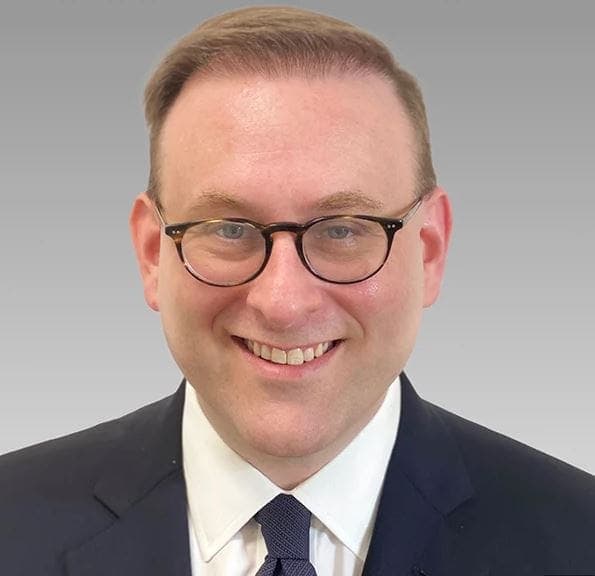
David Solomon remained the public face of that message as chairman and chief executive officer, with the say-on-pay vote drawing attention to his reported $47 million pay package. However the final vote results settle out, the larger signal was already clear by the end of the meeting: Goldman wants its workforce to understand that AI, productivity and tighter operating discipline are now central to how the franchise will grow.
This article was produced by Prism’s automated news system from verified source data, official records, and press releases, then run through automated quality and moderation checks before publishing. The system is built and supervised by the people who set the standards it runs under. Read our full AI policy.
Did this article answer your question?