Goldman Sachs sees 2026 markets shaped by rates, fiscal strain, AI
Goldman’s 2026 outlook links rates, fiscal strain and AI capex into one client-ready market map, pushing advisers toward more selective positioning.
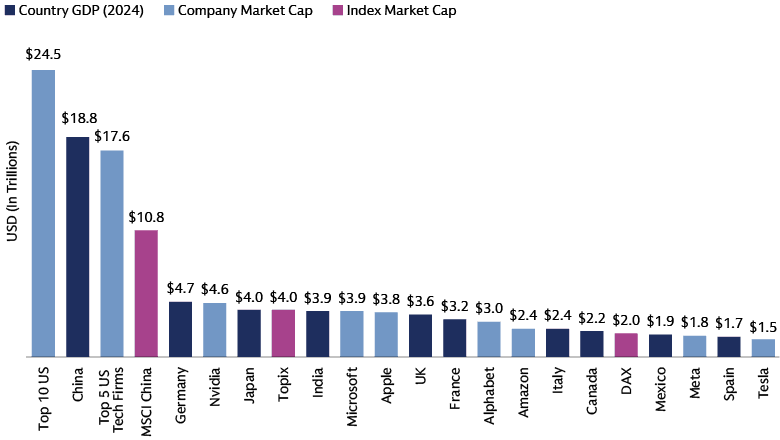
Goldman Sachs Asset Management’s Investment Outlook 2026 gives advisers a usable house view for client meetings by tying monetary shifts, fiscal friction and AI-driven innovation into one narrative about where returns may come from and where risk may hide. Across wealth management, asset management and client coverage, it is a framework for explaining why portfolio construction is becoming more selective, not a single bold call on an index level.
The house view is about overlap, not one theme
The central message is that 2026 will not be driven by one clean macro story. Rates, fiscal strain and AI capital spending are moving at the same time, and each one affects portfolio decisions in a different way. Monetary shifts influence duration, credit and equity valuation, while fiscal friction can reshape sovereign supply, inflation expectations and sector leadership.
Inside Goldman, that shifts the conversation away from a simple growth-or-recession narrative and toward overlapping forces that demand active allocation choices. Advisers can carry that structure from a first meeting to a portfolio review.
Rates still sit at the center of the setup
The outlook treats monetary shifts as a direct input into portfolio construction, not just a macro backdrop. If rates move, duration sensitivity changes first, followed by credit pricing and the valuation of equities that depend on distant cash flows. Client-facing teams can link that immediately to bonds, growth stocks and the maturity profile of fixed-income exposure.
This gives Goldman employees a way to explain why a passive or broad-market stance may be less effective when the policy path is unstable. A client with heavy long-duration exposure, for example, faces a different risk profile than one positioned more defensively in shorter maturities or higher-quality credit.
Fiscal friction changes the market map
The other macro pillar in the outlook is fiscal strain, which the firm frames as friction rather than background noise. That strain can alter sovereign supply, inflation expectations and sector leadership, all of which feed back into asset prices. When governments need to finance more debt, supply dynamics can influence yields and the relative appeal of different parts of the curve.
Goldman teams can apply that to country exposure and cross-border allocation. Sovereign supply is not just a bond-market issue; it can affect relative value across regions and even the appetite for risk assets in those markets. The emphasis on fiscal friction gives advisers a reason to discuss where public balance-sheet pressure may filter into private capital costs and equity multiples.
AI is the structural growth engine, but not for everything
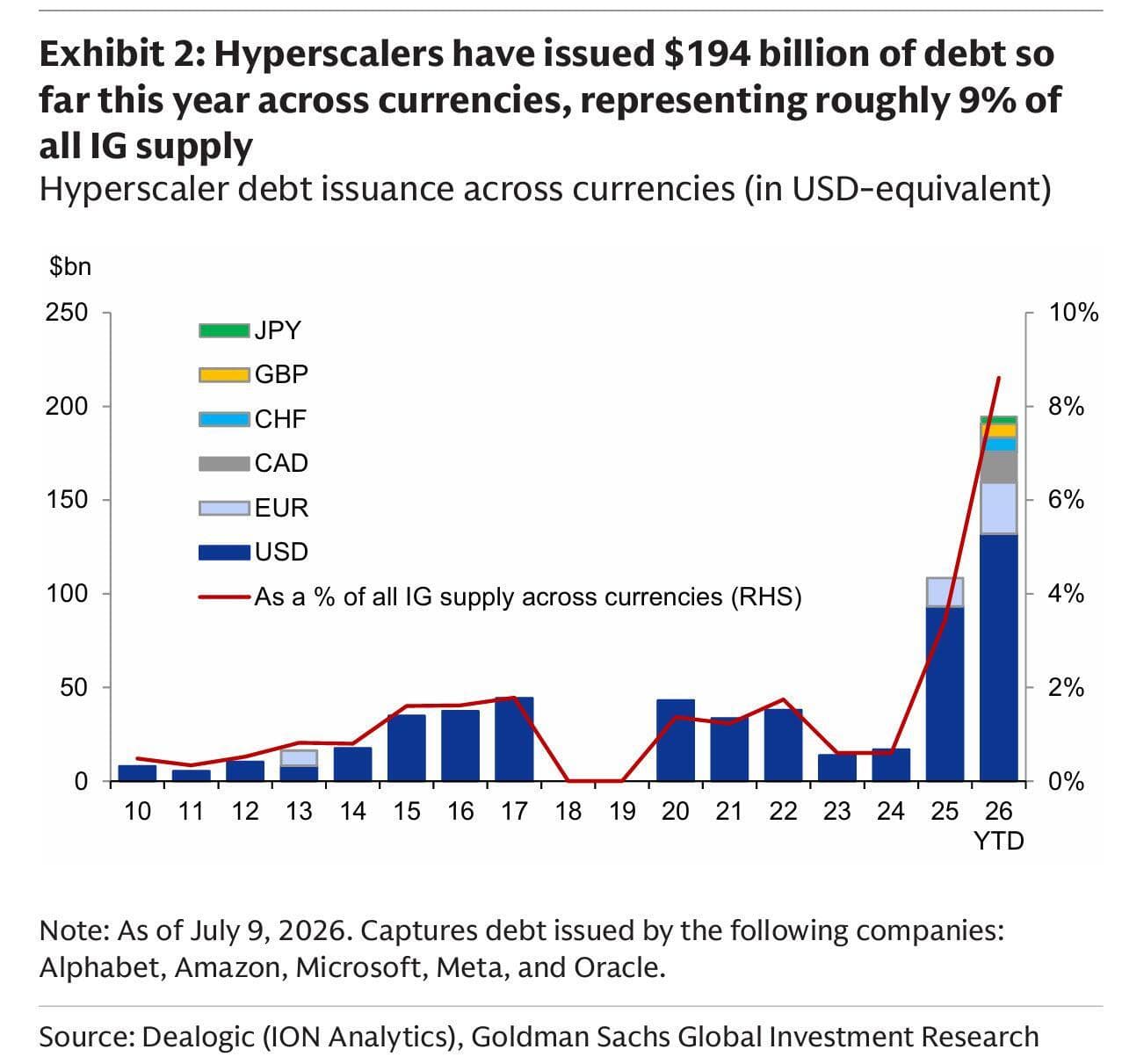
Goldman Asset Management treats AI-driven innovation as more than a thematic trade. The outlook links it to earnings growth, capex, productivity and dispersion across industries. That means AI spending can support some companies and sectors while leaving others behind, especially if capital formation stays concentrated in a relatively narrow set of names.
For client conversations, the message is sharper than a simple “AI wins” pitch. If AI capital spending remains strong, some parts of the market may benefit from faster profit growth and better access to financing, while slower-demand businesses or rate-sensitive sectors could feel pressure. The opportunity is in identifying which firms can turn spending into durable cash flow.
Selective portfolio construction is the practical takeaway
The outlook points clients toward more selective positioning across styles, geographies and maturity buckets. That is a direct response to a market environment where macro conditions are changing quickly and thematic growth is concentrated. Goldman’s message is that investors should be more deliberate about where they take risk, not that they should abandon it.
The framework translates into specific portfolio conversations. Growth and value can behave differently when rates move. Regional allocations can look different when fiscal strain shifts sovereign supply or inflation expectations. Even within fixed income, maturity buckets matter because duration exposure can amplify or cushion the effect of policy moves.
Why the outlook matters inside Goldman, not just to clients
Inside Goldman, the outlook standardizes the firm’s language around the market. Advisors and portfolio managers can use the same structure when they discuss rates, fiscal pressure and AI spending. In a firm where client coverage, wealth management and asset management all have to sound aligned without sounding scripted, that reduces the risk of everyone telling a different story to the same client.
It also works as a training tool for newer analysts and associates who are learning how Goldman turns macro themes into action. The piece shows how to move from a broad environment to portfolio consequences: duration, credit, equity valuation, sovereign supply, earnings growth and dispersion.
What it signals for career and day-to-day coverage
This kind of outlook tends to shape internal conversations well beyond one presentation deck. Sales teams need a way to explain why active management still matters when leadership is narrow. Investing teams need a framework for where capex and productivity may show up in earnings. Advisory teams need a way to discuss why a client should not treat all growth exposure, or all duration exposure, as interchangeable.
On the Street, analysts and associates who can connect the macro setup to a portfolio recommendation become more useful in client work, and that often matters as much as pure modeling skill. In a culture where long hours are the norm, the path to stronger bonus outcomes often depends on being seen as commercially useful.
This article was produced by Prism’s automated news system from verified source data, official records, and press releases, then run through automated quality and moderation checks before publishing. The system is built and supervised by the people who set the standards it runs under. Read our full AI policy.
Did this article answer your question?