Goldman Sachs sees Brent above $120 if Hormuz disruption persists
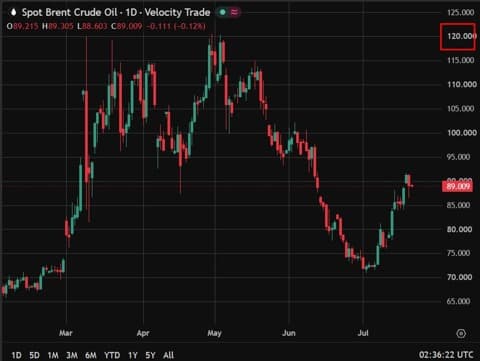
Goldman Sachs now sees Brent above $120 by Q4 if Hormuz disruptions persist, a call that would hit inflation, hedging, and trading across the firm.
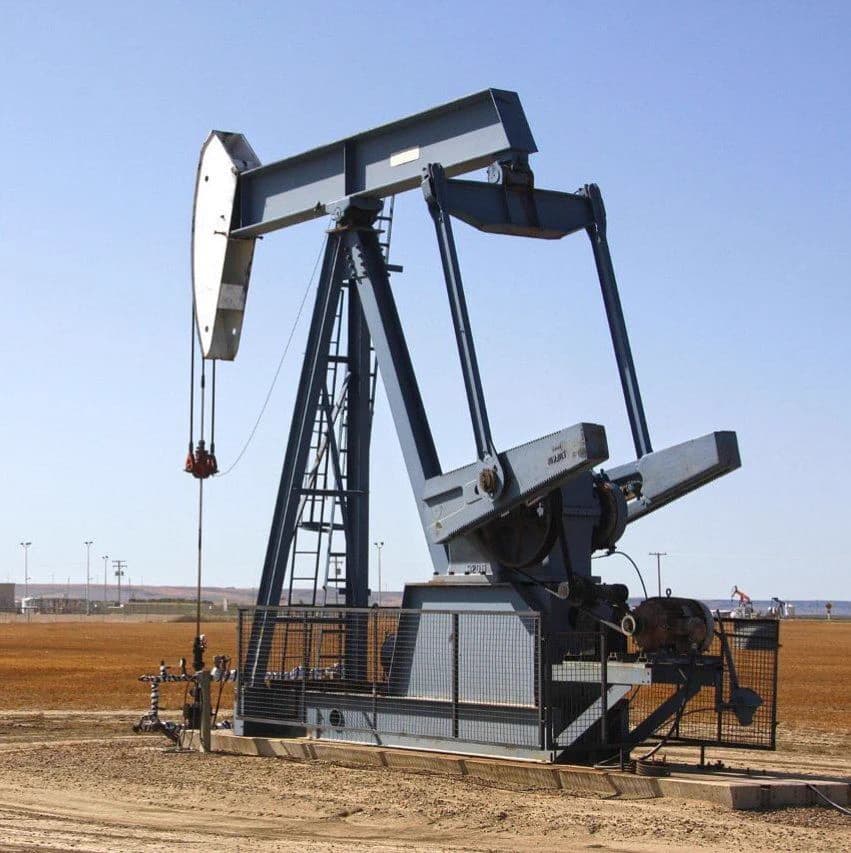
Goldman Sachs now sees Brent crude topping $120 a barrel by the fourth quarter if disruption in the Strait of Hormuz persists, a sharper warning than its earlier scenarios and a signal that the bank is treating the chokepoint as a live supply shock, not a remote tail risk.
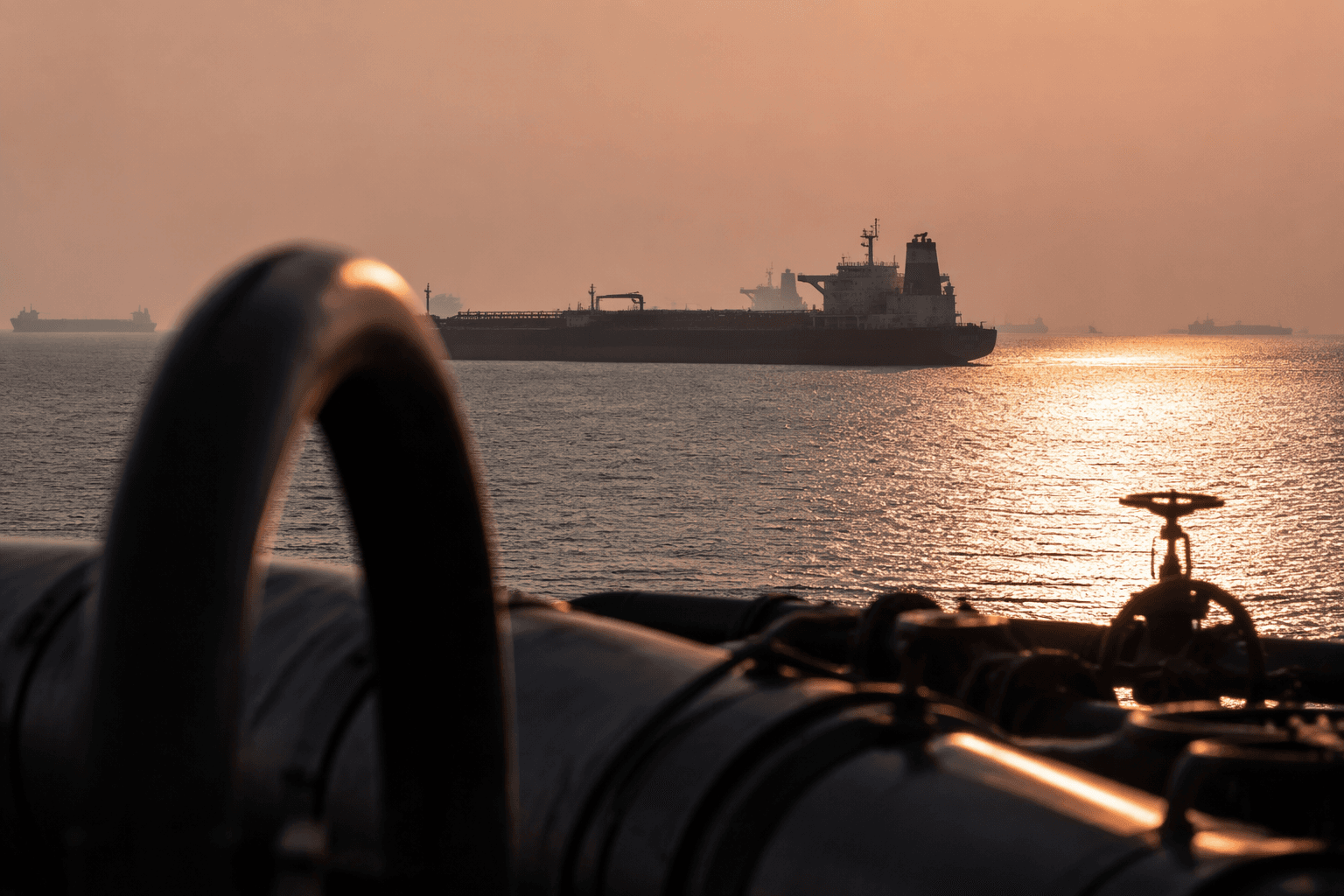
The move matters because Hormuz is one of the world’s most important energy corridors. If flows are blocked or reduced, crude does not just reprice in isolation. Physical barrels get tighter, shipping and insurance costs rise, refiners scramble for replacements, and inflation expectations can move higher as fuel and feedstock costs bleed into transportation, chemicals, and consumer goods.
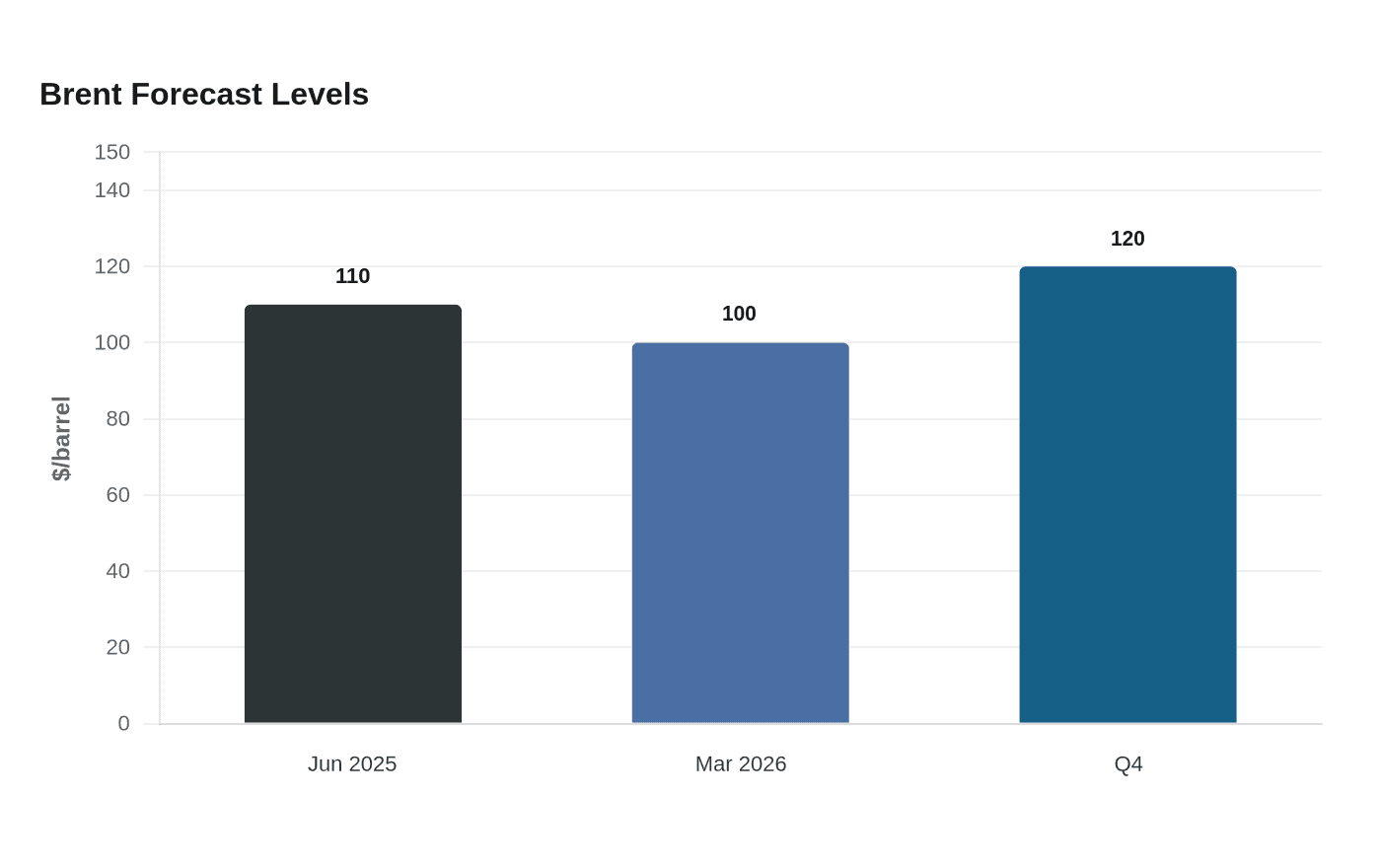
Goldman’s view has hardened over a few months. In June 2025, the bank and HSBC saw Brent at $80 to $110 if the Strait of Hormuz were blocked. A few days later, Goldman analysts said the oil market was still reflecting only a slim chance of supply disruption, a sign that traders had not fully priced the downside case. By March 2026, Goldman was warning that oil could surge above $100 a barrel if Hormuz flows did not recover. The latest call pushes that ceiling higher still, to above $120 by the fourth quarter if the disruption lasts.
For Goldman employees, the significance runs well beyond the commodities desk. A sustained oil spike would feed into rates and macro trading as investors reassess the path of inflation and central bank policy. It would also create a wider hedging rush from corporate clients exposed to fuel costs, freight rates, petrochemical inputs, and imported energy bills. That can mean heavier volumes and wider opportunity for some desks, but also more volatile risk for portfolios tied to consumer spending, airlines, transport, and energy-intensive industries.
The scenario also tests client positioning across asset classes. Oil-importing economies would face a tougher growth and inflation mix, while producers and energy-linked equities could see support. For bankers advising multinationals, the key question is no longer whether Hormuz disruption would matter, but how long it lasts and how quickly markets move from a pricing concern to a funding, hedging, and margin issue.
Goldman’s latest forecast suggests the firm sees the market’s vulnerability as still unresolved: if Hormuz does not normalize, the price shock could move from a theoretical stress test into a full cross-asset trade.
This article was produced by Prism’s automated news system from verified source data, official records, and press releases, then run through automated quality and moderation checks before publishing. The system is built and supervised by the people who set the standards it runs under. Read our full AI policy.
Did this article answer your question?