Goldman Sachs sees S&P 500 rising to 7,600 by year-end 2026
Goldman Sachs Research saw the S&P 500 ending 2026 at 7,600, but the call hinged on 12% EPS growth and another year of heavy AI spending.
Goldman Sachs Research said the S&P 500 could climb to 7,600 by year-end 2026, a level that would amount to a 6% gain from April 24. The call rested on a demanding but clearly defined setup: 12% earnings-per-share growth in 2026, followed by another 10% increase in 2027, with Ben Snider, Goldman Sachs’ chief U.S. equity strategist, framing the market as supported by earnings power rather than pure momentum.
The backdrop mattered. Goldman said the index was trading at roughly 21 times earnings, below the 22 times multiple it reached in January 2026 and close to its five-year average. That valuation picture gave the firm room to argue that the recent rally was not just a reflexive bounce. In Goldman’s view, improving sentiment, sturdier corporate profits and a still-reasonable multiple left room for stocks to advance even after a strong run.
For Goldman employees, that kind of call filters quickly into client conversations across equities, derivatives, wealth management and research. A constructive market view tends to keep portfolio reviews active, sustain demand for hedging and structured products, and give private-wealth teams more reason to press the case for staying invested. Goldman has repeatedly said its long-standing recommendation to overweight U.S. equities and remain invested has served clients well over the past 16 years, a message that now sits alongside expectations for sturdy global growth of 2.8% and non-recessionary Federal Reserve cuts.
The AI trade remains a central pillar of that optimism. Goldman said AI investment was expected to drive about 40% of S&P 500 earnings growth this year, and its research indicated that the largest cloud computing companies were set to spend an estimated $670 billion in 2026. A separate Goldman note said hyperscale cloud companies may invest more than half a trillion dollars in AI infrastructure next year, while another argued that AI hyperscaler capex would need to reach about $700 billion in 2026 to match the late-1990s telecom investment peak. For bankers and analysts, that helps explain why the firm is treating AI as a broad earnings engine, not just a technology story.
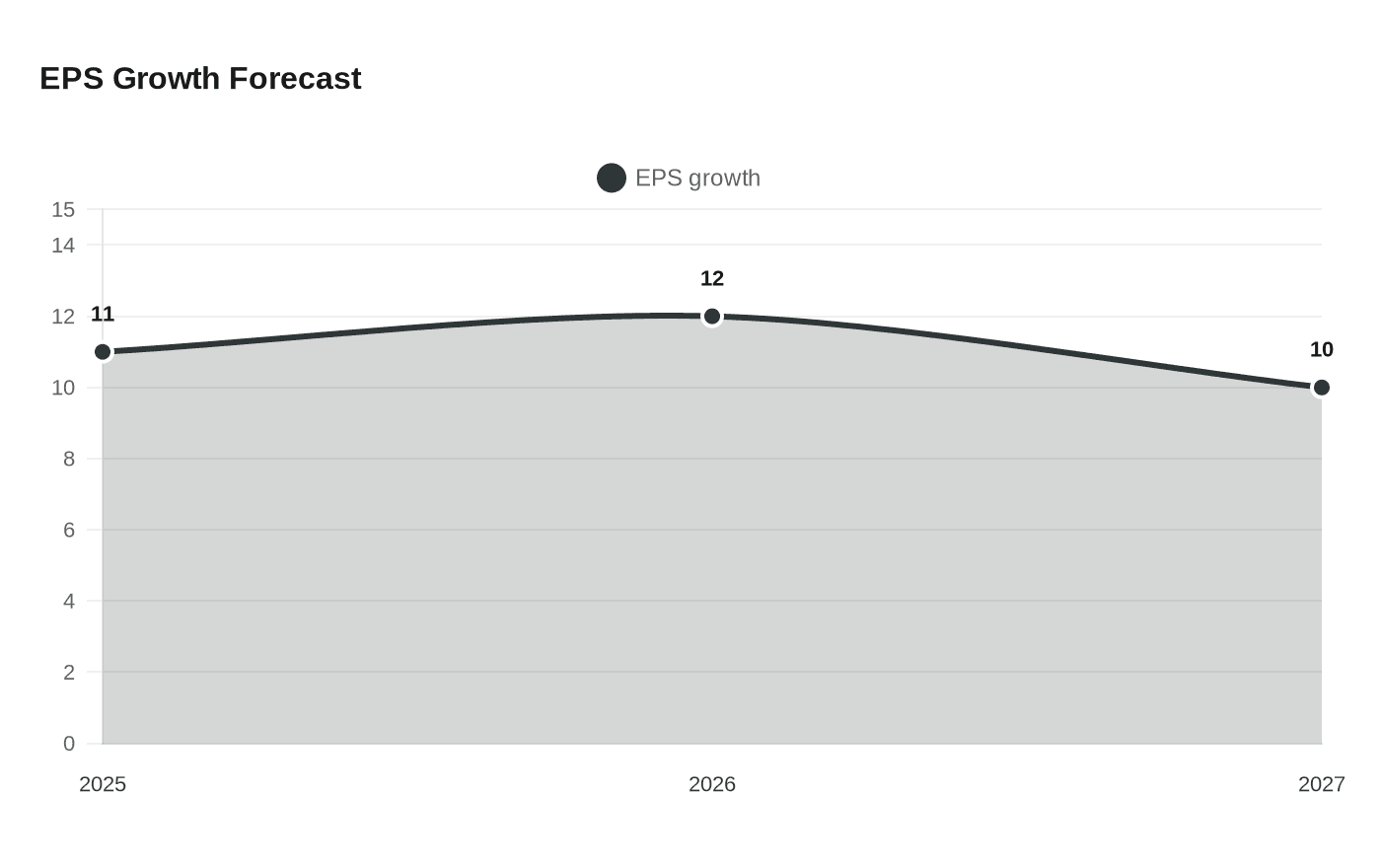
The new forecast also marked a more confident stance than Goldman’s 2025 call, when it had projected the S&P 500 would reach 6,500 by the end of that year with 11% EPS growth in 2025 and 7% in 2026. The latest target suggested Goldman was becoming more constructive on the durability of earnings, and on the clients who will keep financing, trading and investing through another year of volatile but still opportunity-rich markets.
Know something we missed? Have a correction or additional information?
Submit a Tip