Chicago wage hike adds fair workweek and leave pressures for McDonald’s managers
Chicago’s July 1 wage hike comes with fair workweek and paid-leave rules that will change rosters, call-outs and notices at McDonald’s restaurants.
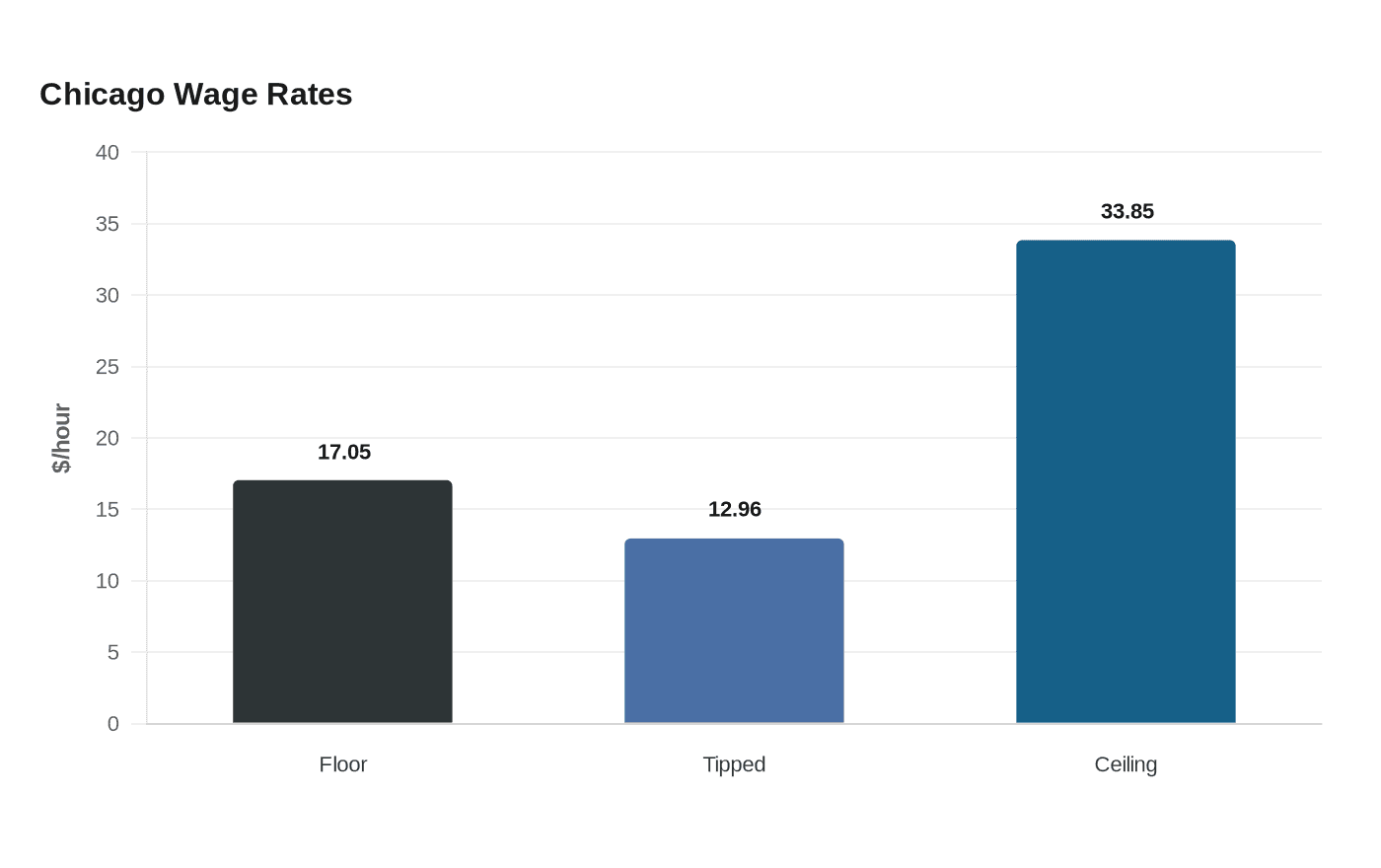
Chicago’s minimum-wage bump is landing as a scheduling and leave test for McDonald’s managers, not just a payroll change. By the next shift, restaurants will need to be ready for a $17.05 hourly floor for employers with four or more workers, a $12.96 tipped minimum wage, and a thicker set of rules around advance notice, shift swaps and paid time off.
The city announced the changes June 8, and they take effect July 1, 2026. Chicago said the wage increase rose from $16.60 to $17.05 under its annual formula, capped at 2.5% of CPI growth and rounded to the nearest $0.05. The tipped wage credit stays at 24% through June 30, 2028, and the minimum wage for youth workers now matches the full minimum wage.
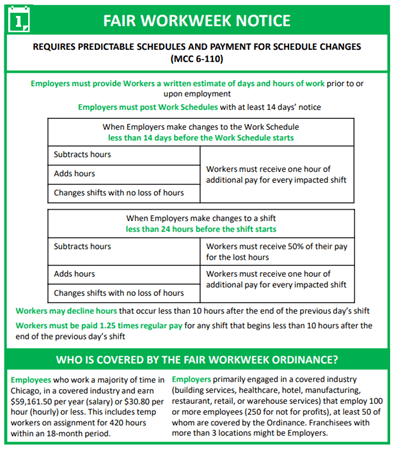
For McDonald’s restaurants, the bigger operational change is the fair workweek and leave framework. Chicago says fair workweek coverage in restaurants applies to employers with 250 employees and 30 locations, with covered workers getting advance notice of schedules, the right to decline previously unscheduled hours, one hour of predictability pay for shift changes made within 14 days, and the right to rest by declining work less than 10 hours after the end of the previous day’s shift. The city also raised the covered pay ceiling to $33.85 an hour or $64,945.55 a year. Paid leave now accrues at one hour for every 35 hours worked, and employees who work at least 80 hours for a Chicago employer within any 120-day period are covered. Chicago said those paid-leave rights can now be enforced through a private cause of action.
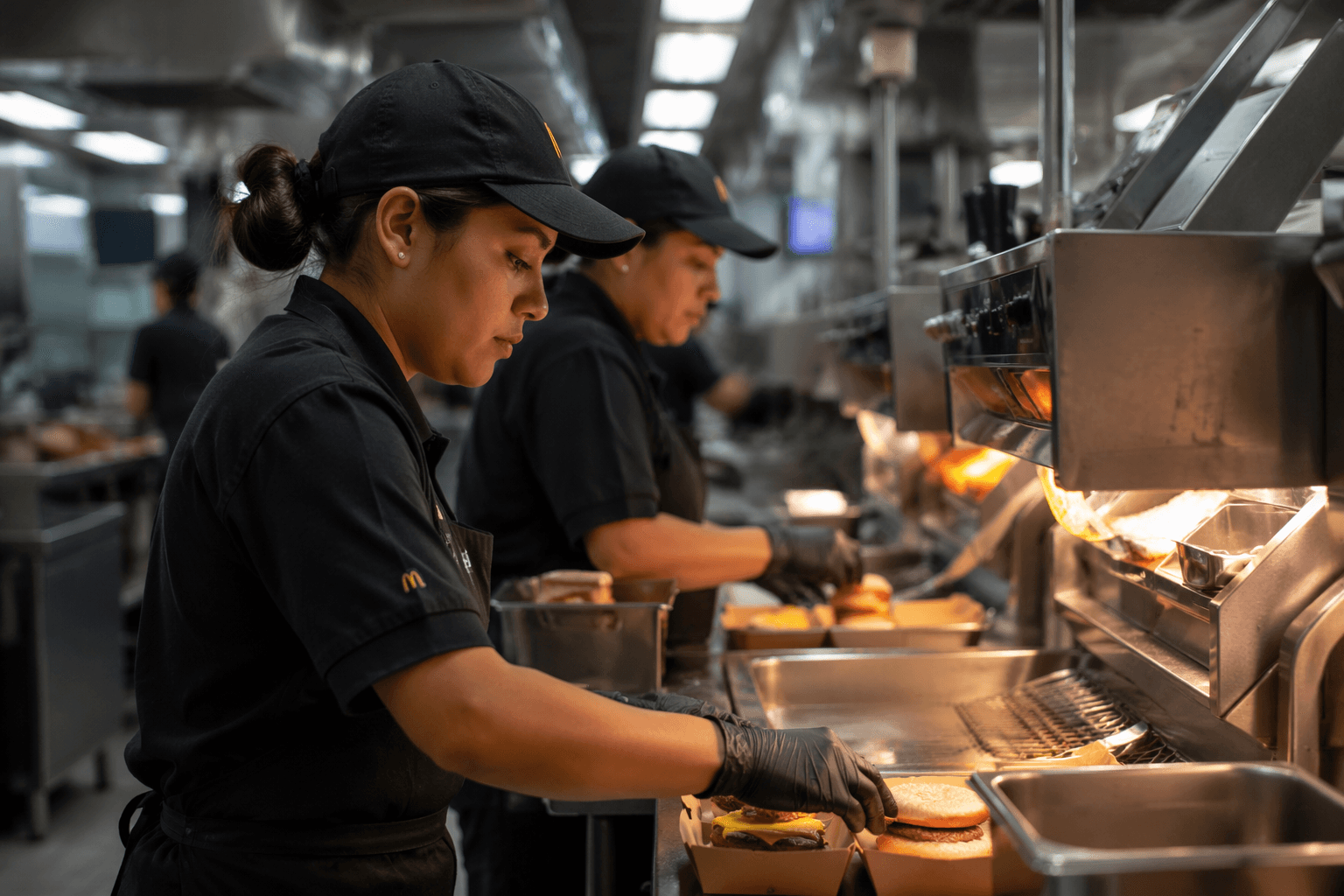
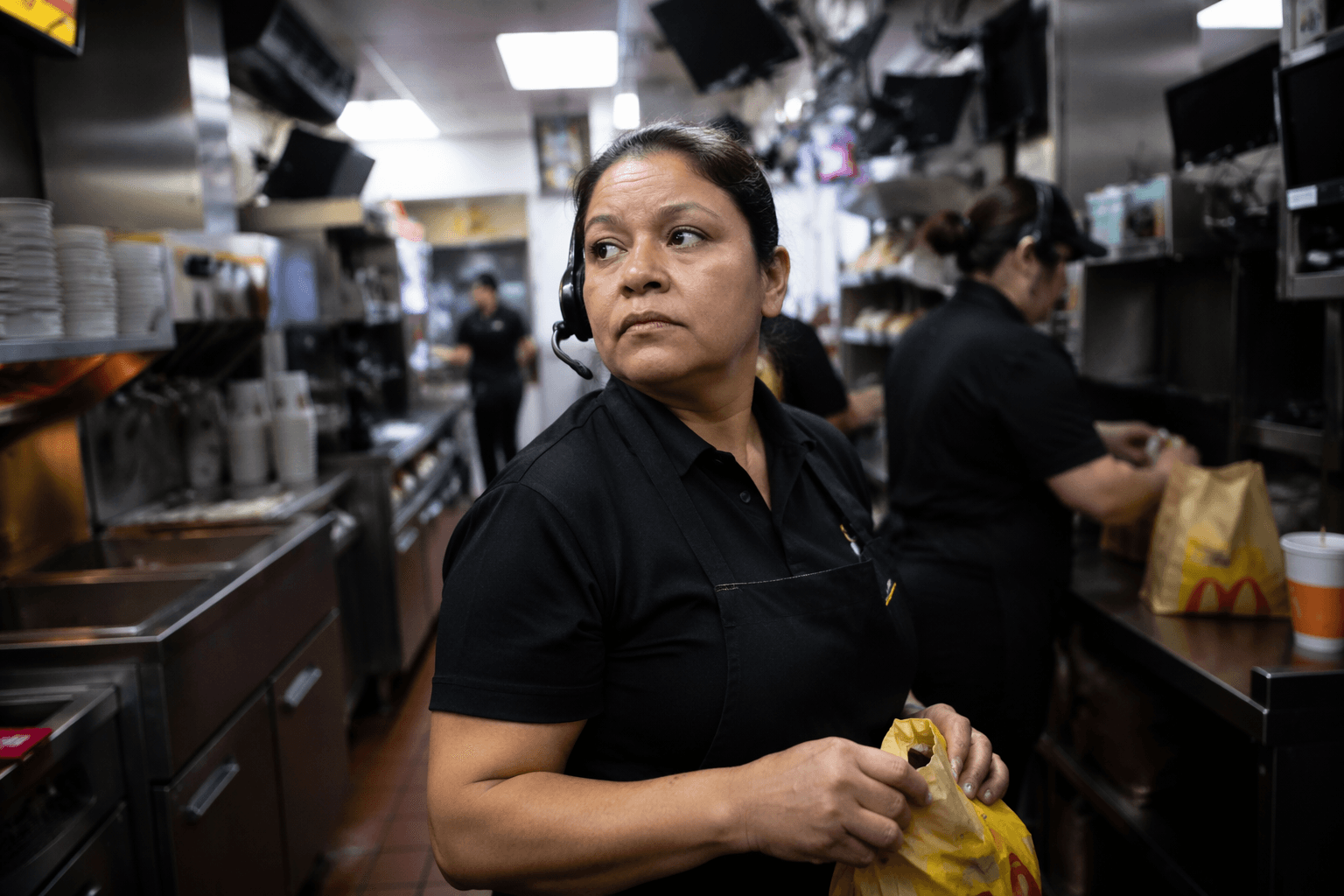
That is the piece franchise operators cannot treat as a back-office compliance memo. If a store is short-staffed, the pressure can show up in split shifts, tighter overtime controls and more calls to fill holes on short notice. If a store is well run, the same rules can become a retention edge, because crews usually notice when schedules are steadier and time-off requests are handled cleanly.
The stakes are high in Chicago, where McDonald’s says it has about 400 restaurants in Chicagoland, employs several thousand people in the city and generates more than $2 billion in annual economic contribution. Chris Kempczinski has said Chicago is central to the company’s identity, and the company left the National Restaurant Association in September 2025 amid a disagreement over tipped wages. That backdrop matters as Chicago phases down tipped pay and pushes a broader labor-standard package that restaurant managers will have to build into every roster, notice and payroll run by July 1.
This article was produced by Prism’s automated news system from verified source data, official records, and press releases, then run through automated quality and moderation checks before publishing. The system is built and supervised by the people who set the standards it runs under. Read our full AI policy.
Know something we missed? Have a correction or additional information?
Submit a Tip