McDonald's workers may gain leverage as hospitality hiring surges for events
World Cup traffic is already tightening hospitality hiring, and McDonald’s franchise crews in host markets may have more leverage on pay, hours and shift coverage.
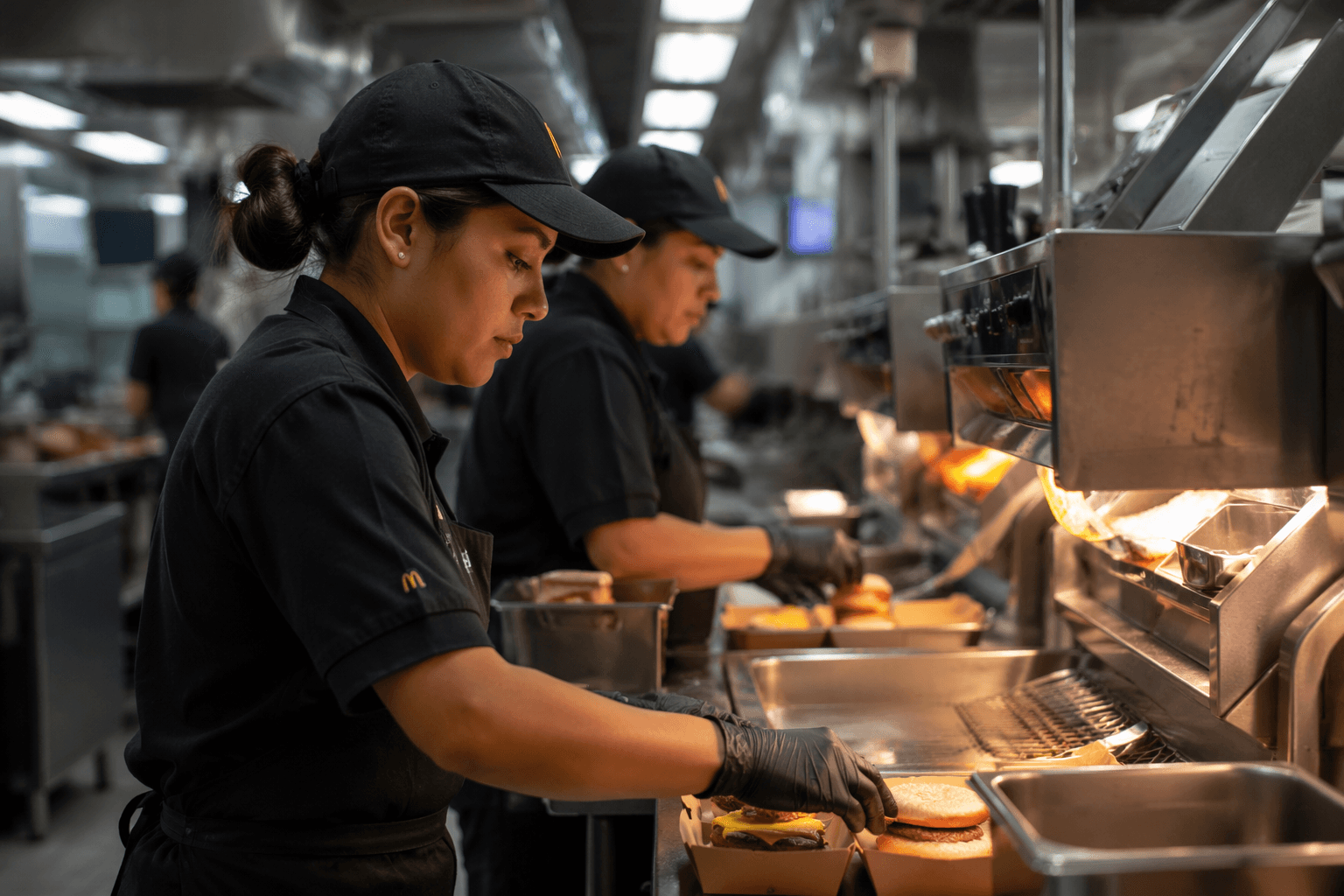
McDonald’s restaurants in World Cup markets may feel the labor squeeze before the first kickoff. A Skift analysis of the May labor report points to a simple reality workers already know: when travel demand and big events rise together, hospitality hiring gets tighter fast. For franchise operators, that can show up as harder scheduling, more turnover risk, and a sharper fight for every reliable hourly worker.
The labor market is already moving in the direction crews notice first
The numbers behind the trend are not subtle. The U.S. Bureau of Labor Statistics said total nonfarm payroll employment rose by 172,000 in May 2026, while unemployment held at 4.3 percent. Within that broader market, leisure and hospitality employment climbed to 17.079 million in May from 16.935 million in February, and hires jumped to 1.163 million from 715,000 over the same span. That is the kind of pickup that tends to spill directly into restaurant staffing, especially in places where tourism and event traffic already compete for workers.
For McDonald’s, the timing matters because the 2026 FIFA World Cup runs from June 11 to July 19, with 48 teams and 104 matches across North America. The tournament does not just create more visitors in stadium districts; it also pushes more foot traffic through transit corridors, hotel zones, and highway-adjacent stores where crews already live on a narrow labor margin. If a shift was short before, a surge in travel and event spending can make it much harder to keep the line moving.
Where McDonald’s will feel the pressure first
The hottest pressure points are the stores that catch the World Cup ripple indirectly. That includes restaurants near arenas, transit hubs, entertainment districts, airport routes, and major highways, where breakfast, lunch, and late-night volume can rise at the same time. A store in Philadelphia, Boston, or Atlanta may not be serving inside the stadium, but it can still absorb the spillover from hotels, bars, rideshare traffic, and fans moving across the city.
OysterLink’s data makes that competition visible. Hospitality job postings across the 11 U.S. World Cup host metros rose 30.3 percent in May compared with the January-April average, while non-host markets fell 23.8 percent over the same period. Philadelphia, Boston, and Atlanta were among the fastest-growing host markets, which is exactly the kind of regional mismatch that can create staffing headaches for McDonald’s franchisees trying to cover the same lunch rush with fewer people on the schedule.
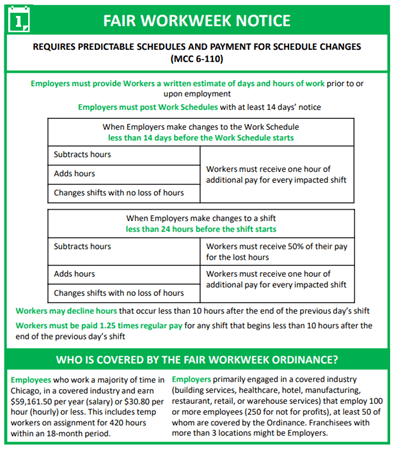
That is why a World Cup story is really a shift-cover story. When hotels, restaurants, venues, and travel businesses all hire at once, hourly workers have more options. For McDonald’s crews, that can mean more leverage on pay, better odds of landing the hours they want, and more room to push back on clopens, split shifts, or last-minute schedule changes.
What managers may start changing before demand spikes
A tight labor market usually shows up first in the easiest employer choices: wage offers, scheduling flexibility, and how aggressively a store recruits. If nearby hospitality businesses are raising their offers, McDonald’s franchisees may need to respond with higher starting pay, more predictable hours, faster advancement, or more flexible shift assignments just to keep the roster filled. Even small changes, like giving workers steadier closing shifts or fewer abrupt schedule swaps, can matter when workers have other options down the street.
Training also becomes a bigger deal. Workers who can move between front counter, drive-thru, and kitchen are worth more during a rush because they reduce the number of gaps a manager has to patch in real time. In practice, that means cross-training can become a form of job security for crew members and a retention tool for operators who cannot afford a weak spot in the lunch lineup.
There is also a larger operational lesson here. On a day when demand spikes, kiosks and other automation tools can take some pressure off order-taking, but they do not replace the crew needed to assemble food, keep the drive-thru moving, or salvage a short-handed shift. The workers who can stay calm under volume, learn fast, and cover more than one station are the ones managers will value most.
Why franchise status matters for pay, benefits, and leverage
McDonald’s own structure makes this story especially important for workers. The company said about 95 percent of its 45,356 restaurants at year-end 2025 were franchised, which means most of the day-to-day staffing decisions are made by local operators, not corporate headquarters. In other words, the pay offer, schedule design, and hiring pace at one store can look very different from the restaurant down the road, even within the same brand.
That decentralization matters when labor gets tight. Corporate can set broad expectations, but franchisees have to decide what actually gets posted on the hiring board, what hours get opened up, and how much flexibility they are willing to trade for coverage. For workers, that can create openings to compare stores more aggressively and use competition between operators to improve their own deal.
The company has already shown it knows how fast hiring can move when demand is hot. On May 12, 2025, McDonald’s and its franchisees said they planned to hire up to 375,000 workers across U.S. restaurants that summer, one of the company’s biggest hiring pushes in years. McDonald’s linked that effort to the busy summer season and its plan to open 900 new U.S. locations by 2027, which underscores a simple point: the chain does not wait for labor pressure to arrive before it starts staffing for it.
What workers should watch next
The next few weeks will tell the story in the most practical way possible: who is getting hired, who is getting extra hours, and which stores start sweetening the deal to keep shifts covered. McDonald’s said in its 2025 annual report that it and its franchisees have faced, and may continue to face, challenges staffing certain restaurants, and that those shortages can hurt speed of service and customer satisfaction. That warning is important because the World Cup does not create a new problem so much as it magnifies an old one.
McDonald’s also said global systemwide sales rose 8 percent in the fourth quarter of 2025, which suggests the company is still leaning on value and traffic to drive business. If host-market stores get busier while nearby hospitality employers are also hiring harder, crews with reliable attendance and broader station skills may gain real leverage. In a summer shaped by tournament traffic, the workers who can keep a shift alive are the ones least likely to be ignored.
This article was produced by Prism’s automated news system from verified source data, official records, and press releases, then run through automated quality and moderation checks before publishing. The system is built and supervised by the people who set the standards it runs under. Read our full AI policy.
Know something we missed? Have a correction or additional information?
Submit a Tip