McDonald’s employee networks aim to build belonging and career paths
McDonald’s networks are built to do more than socialize: they connect crew and managers to mentors, visibility and the internal paths that can lead to better jobs.
Why the networks matter on a McDonald’s career ladder
At McDonald’s, employee business networks are being treated as a way to find the next job, not just a place to belong. The company says these groups are employee-led, volunteer, business-focused and open to all employees and allies, with a goal of building belonging, relationships, career development and business growth.

That matters in a system as large and split between restaurants, field support and corporate offices as McDonald’s. For a crew member, a shift leader or a restaurant manager, the hard part is often not doing the work well, it is seeing how that work translates into the next role. The networks are meant to make those paths less invisible by connecting people to mentors, role models and leaders who can show how to move.
What the networks actually do for workers
McDonald’s lists groups including the Black Employee Network, Hispanic and Latine Employee Business Network, Pride, Disability Inclusion Group, Global Women’s Leadership Network, Veteran Employee Business Network and Working Parents Business Network. Those names matter because they signal more than identity-based belonging. They also point to information flow, sponsorship and access to the unwritten rules that often shape who gets seen for stretch assignments, leadership openings or corporate opportunities.
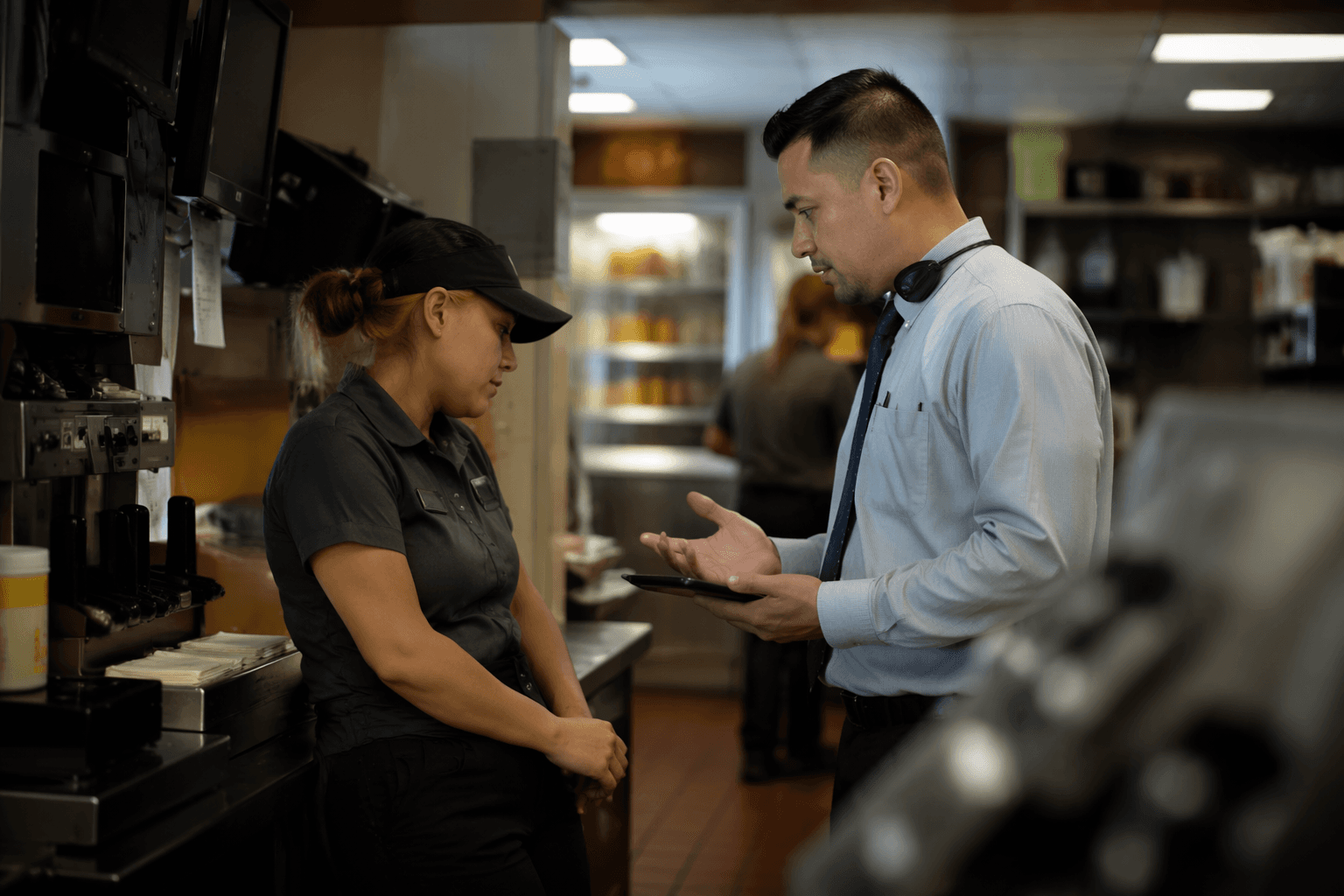
For workers trying to move beyond a single restaurant or a first management job, that can be the difference between waiting for a chance and understanding how to prepare for one. A network connection can help you learn which skills are valued, how to build confidence in front of regional leaders, and how to talk about your experience in a way that translates beyond the grill line. In a company that still relies on local operators and decentralized management, that kind of insider map can be as useful as any formal training module.
The scale behind the opportunity
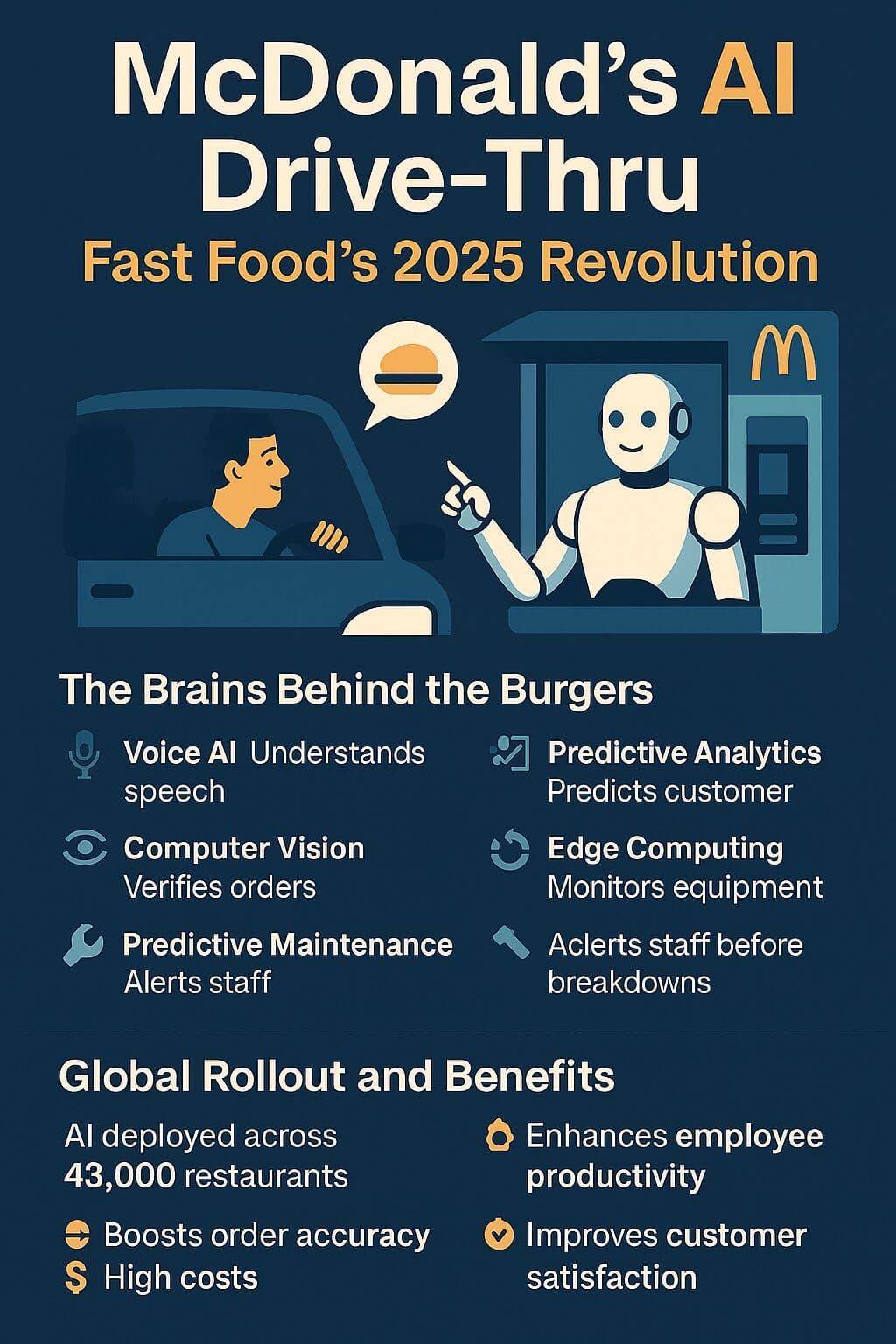
The reason these networks matter so much is McDonald’s size. The company says it had more than 43,000 restaurants in over 100 countries, and company employees totaled over 150,000 at year-end 2024. About 70% of those employees were based outside the United States, which means the workforce is spread across a global system where career advice can be unevenly shared unless there is a formal structure to connect people.
The U.S. remains McDonald’s largest market, and almost 95% of U.S. restaurants are owned and operated by conventional licensees. That franchise-heavy structure creates a familiar workplace tension: many workers wear the same uniform, but they do not all answer to the same employer in the same way. Employee networks do not erase that, but they can create a company-wide lane for workers who want visibility beyond their own store, market or franchise group.
How McDonald’s wants the networks used
McDonald’s has been explicit that this is not just culture programming. In a January 6, 2025 inclusion update, the company said it would continue supporting employee business networks in the 2025 planning cycle and that its volunteer-led EBNs would continue to welcome everyone, including allies. It also said it would continue inclusive leadership courses for all leaders and hold the CEO and executive officers accountable for inclusion-related employee engagement.
That framing tells workers something important: the company is tying these groups to management behavior, not just employee sentiment. If the networks are part of the planning cycle and connected to leadership accountability, then participation is supposed to affect how talent is developed, how managers are coached and how inclusion is measured inside the business. For employees, that makes the networks useful not only for community, but for access to decision-makers.
The gender-balance playbook shows the business logic
McDonald’s has been building this approach for years. It launched its Better Together: Gender Balance and Diversity strategy in March 2019, and the company has described gender balance as a business issue, not simply a values statement. By 2021, the Global Senior Leadership Team had pledged to raise the share of women in leadership to 45% globally by the end of 2025 and reach gender parity by the end of 2030.
The numbers show why the company keeps pushing on this front. In its 2023-2024 diversity snapshot, women represented 44% of global senior-director-and-above roles. That is close to the 2025 target, but still not at parity, which helps explain why the company treats employee networks as a pipeline tool. They are meant to help women, and other underrepresented employees, move into the roles where decisions get made.
The Global Women’s Leadership Network is the clearest example. McDonald’s says it became the company’s largest employee business network and now reaches more than 70 global markets. Skye Anderson, who serves as an executive sponsor, has said it grew from 35 countries to more than 70 global markets. That kind of expansion matters because it shows the network is not just a local employee club, it is a platform with enough reach to shape advancement across the system.
Networks tied to training, skills and the next generation of roles
McDonald’s has also linked inclusion work to formal development pipelines. By 2019, the company said it had reached more than 10,000 employees with bias-awareness training and was integrating that training into talent management and leadership development, along with training for talent-agency partners. That puts employee networks in the same conversation as promotions, manager training and succession planning.
The company has also piloted a Women in Tech initiative through Archways to Opportunity, aimed at helping workers from company-owned and participating franchise restaurants build skills in data science, cybersecurity and artificial intelligence. That matters for workers who worry about automation and the future of crew work. If the industry is moving toward more tech-driven operations, then the real value of an employee network is not just camaraderie, it is whether it helps workers move into the jobs that remain and the jobs that are being created.
What workers should look for inside the system
If you work at McDonald’s, the practical question is not whether a network sounds supportive. It is whether it helps you do three things: get seen, get coached and get considered. A strong network can connect you to people who can explain how promotions work, what skills matter in operations support, how to prepare for management, and where corporate paths begin to open.
The most useful approach is to treat the networks as part of your career infrastructure. Ask which group has leaders in your market, who can serve as a mentor, and whether the group has access to leadership development, business visibility or cross-market connections. In a company that spans more than 100 countries and a heavily franchised U.S. base, those internal connections can do what an ordinary schedule cannot: turn a first McDonald’s job into a visible path forward.
This article was produced by Prism’s automated news system from verified source data, official records, and press releases, then run through automated quality and moderation checks before publishing. The system is built and supervised by the people who set the standards it runs under. Read our full AI policy.
Know something we missed? Have a correction or additional information?
Submit a Tip