McDonald’s operators face tough staffing calls as economic uncertainty grows
When demand softens, McDonald’s staffing pain hits first: shorter shifts, leaner crews, and more pressure to stretch labor while operators protect traffic.
What uncertainty looks like on the floor
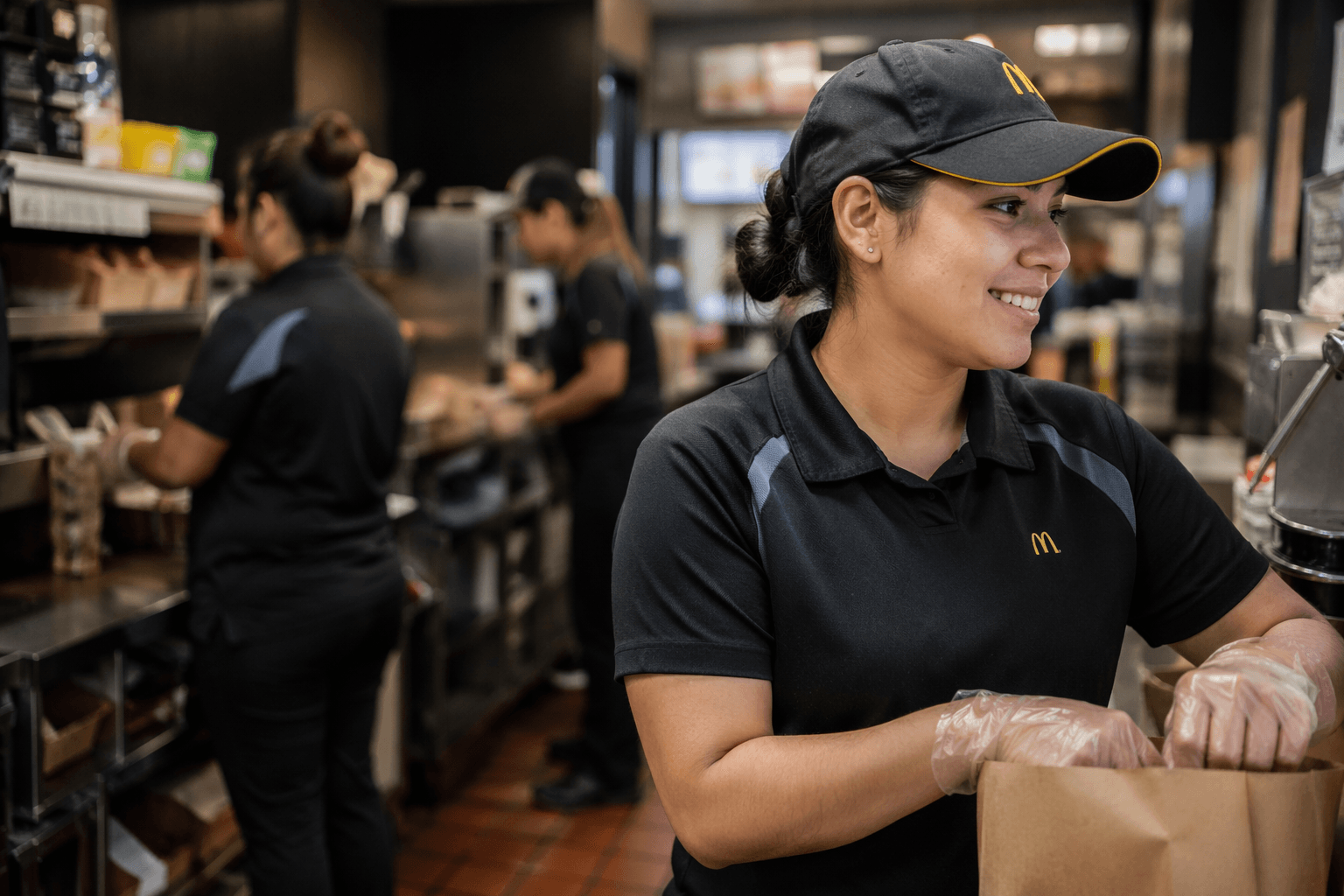
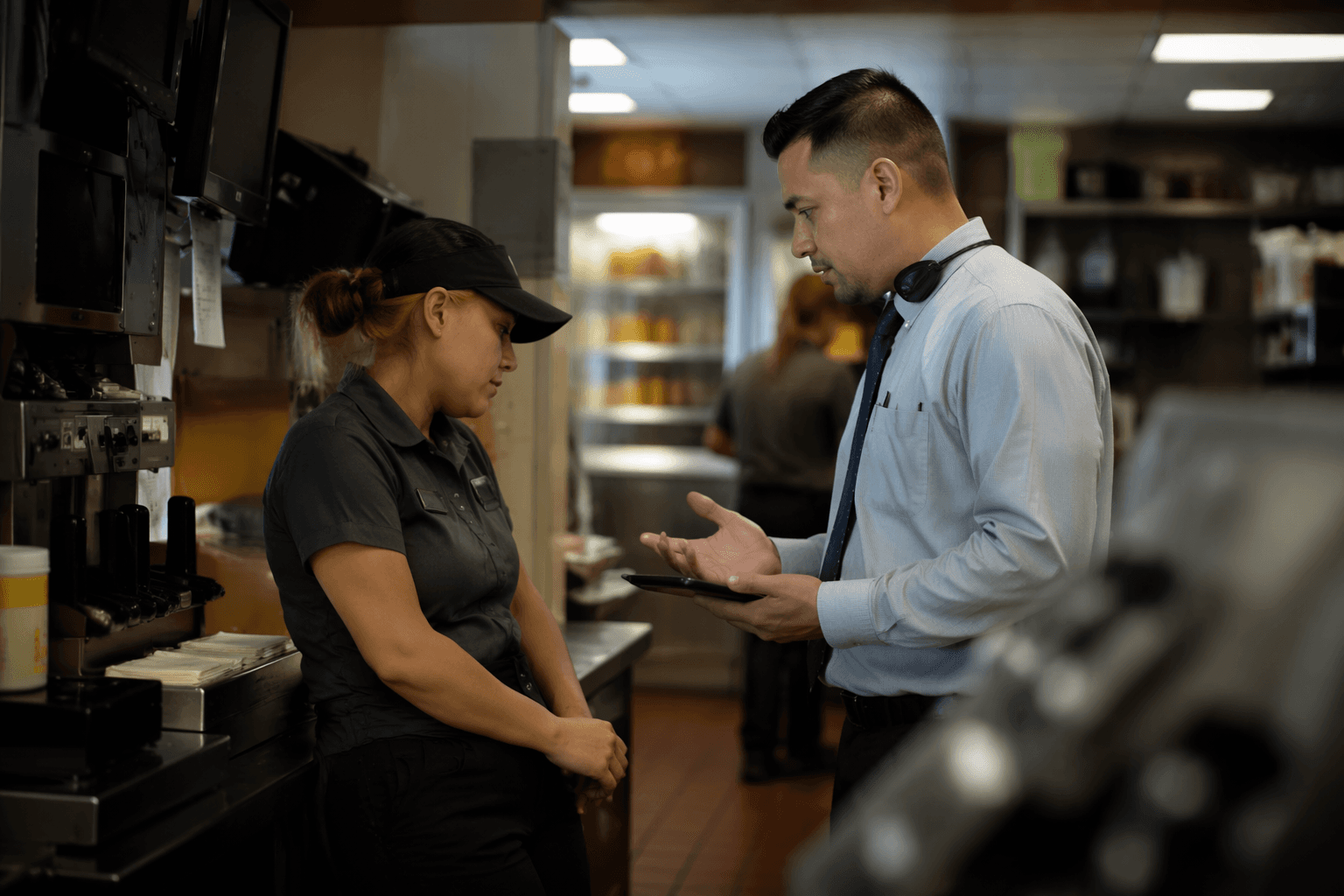
When McDonald’s operators get cautious, the first changes usually land on the schedule. Hours get tighter, shift coverage gets more fragile, and managers start watching every labor decision against traffic that can change by the daypart. What sounds like a macroeconomic slowdown quickly becomes a crew-level problem: fewer people on the floor, more pressure during rushes, and more questions about whether next week will look like this week.
At a recent restaurant-industry discussion about turning market shifts into momentum, the headline advice sounded abstract until it was translated into restaurant terms. For McDonald’s, that translation is blunt: how many people to schedule, how many hours to add or cut, which items to push, and when to hold back on spending or expansion. That is the operating reality for franchisees and managers every week, especially when consumer demand is uneven and the economy keeps shifting.
Why McDonald’s staffing decisions carry extra weight
McDonald’s is not a small company making occasional adjustments from headquarters. Its system includes about 2 million employees and crew, and approximately 95% of its more than 44,000 restaurants worldwide are owned and operated by independent local business owners. That means most day-to-day labor calls are made by franchisees, not by corporate executives in Chicago.
For workers, that structure matters. A change in traffic at one restaurant can lead to tighter labor hours, different shift mixes, or a new push to run leaner on slower periods. For managers, the challenge is to keep service steady without burning out the team. The company’s size only raises the stakes, because small scheduling decisions ripple across a system that depends on speed, consistency, and tight control of costs.
How the economy is shaping crew life
McDonald’s 2025 annual report says the company operated amid persistent inflationary pressures, tighter labor markets, evolving trade dynamics, and broader economic uncertainty. Those conditions weighed on consumer sentiment, especially among lower-income households, which is exactly the customer base that often feels the earliest stress when prices rise.
That pressure showed up in the company’s first-quarter 2025 results, which said low- and middle-income consumers pulled back spending. Later in 2025, McDonald’s said its growth strategy leaned on everyday value and affordability, menu innovation, and compelling marketing to bring customers through the doors. In practical terms, that means labor planning cannot be separated from menu mix and traffic goals. If value items are driving visits, operators need to staff for those sales patterns, not guess at them, and if traffic softens, the temptation is to trim hours even more.
For crew members, the result is often a familiar kind of instability. One week can bring a steadier line and more line coverage, the next can bring cuts because the store is protecting labor against softer sales. That is why communication matters so much. Transparent scheduling is not a courtesy in this business; it is one of the only ways to keep people from feeling blindsided by changes they cannot control.
The company is still growing, but that does not mean the pressure is gone
McDonald’s numbers show a company that is still expanding even as it navigates the squeeze. Its annual report said global systemwide sales exceeded $130 billion in 2024. By February 2026, the company said full-year 2025 systemwide sales had risen 7% to over $139 billion, alongside stronger value-and-affordability scores.
That growth tells one part of the story. The other part is that McDonald’s has had to fight for that traffic while customers remain cautious. Growth in a system this large does not automatically mean easier shifts or fatter labor budgets at the restaurant level. If anything, it can increase the pressure on operators to deliver the sales with the same, or even tighter, staffing assumptions.
This is not a new McDonald’s problem
The tension between demand, labor, and simplification has been hanging over McDonald’s for years. AP reported in 2016 that the company was exploring operational changes such as breakfast all day and simpler restaurant operations to support demand after moving away from the Dollar Menu. That same era also showed how closely pay and operations were linked, with labor organizers pushing McDonald’s for $15-an-hour pay and unionization.
That history still matters now. McDonald’s has long tried to balance speed, value, and labor cost, and every new economic wobble reopens the same questions. Do you staff for the rush you hope will come, or the slower sales you can already see? Do you simplify the menu and operations to move faster, or keep more complexity in place and pay for it in labor hours? Workers feel those choices on the line, in the kitchen, and in the number of people available when the drive-thru stacks up.
What workers and managers should watch next
The clearest sign that uncertainty is spreading through a McDonald’s restaurant is not a corporate memo. It is the pattern on the schedule and the pace on the floor. If operators are nervous about demand, they will often respond with leaner staffing on slow dayparts, tighter labor targets, and more pressure to make each hour do more work. If traffic improves, they may try to squeeze more out of the same team rather than fully rebuilding the labor budget.
That is why the best-run restaurants will be the ones that build clearer decision rules instead of improvising every week. McDonald’s has the sales scale to weather volatility, but crew members do not get to experience that volatility in the abstract. They experience it as hours, workload, menu changes, and the daily question of whether the shift will be staffed for the business it actually gets. In a company this large, the real test of strategy is whether the people making fries, taking orders, and running the counter can feel the difference in a way that is fair, predictable, and sustainable.
This article was produced by Prism’s automated news system from verified source data, official records, and press releases, then run through automated quality and moderation checks before publishing. The system is built and supervised by the people who set the standards it runs under. Read our full AI policy.
Know something we missed? Have a correction or additional information?
Submit a Tip