McDonald’s ends long-running no-poach fight over franchise hiring limits
McDonald’s dropped a six-month hiring ban that once kept workers from moving between franchises, opening a clearer path to raises and promotions inside the brand.
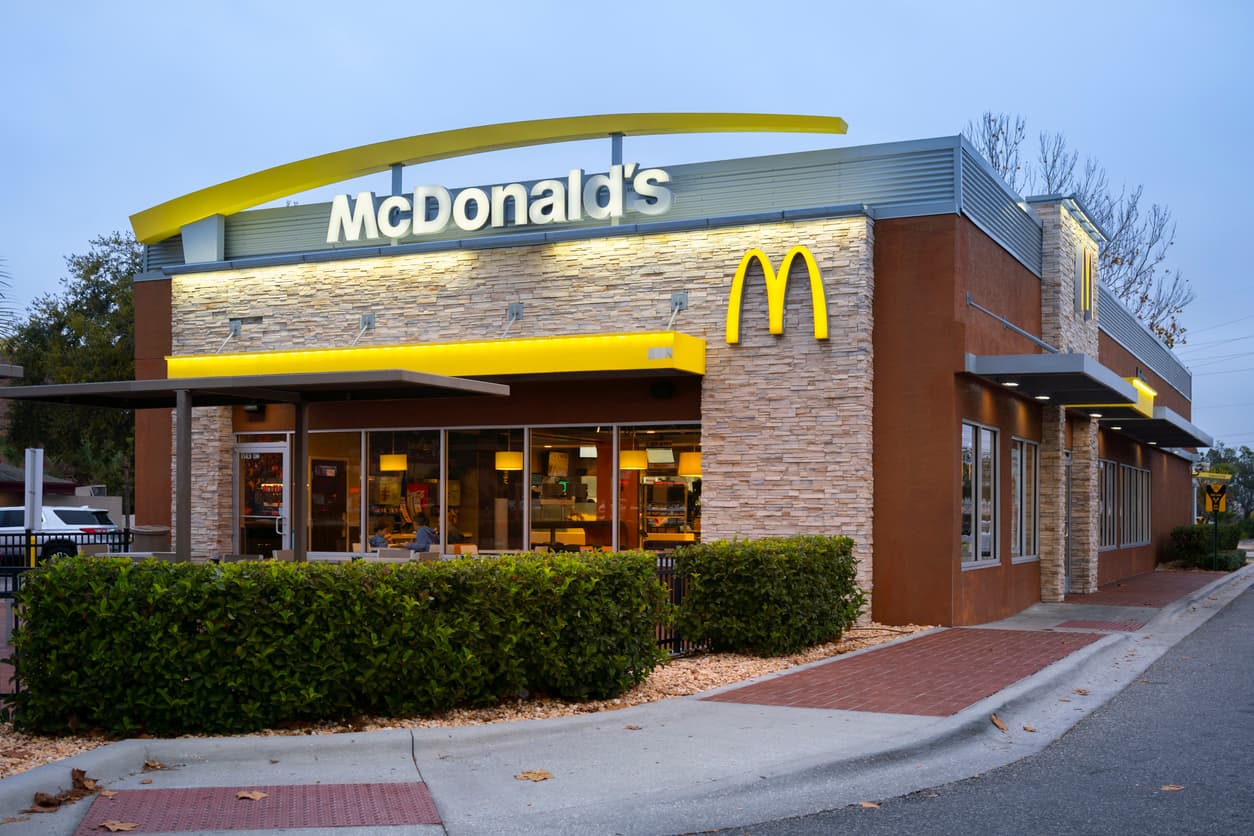
For a McDonald’s crew member chasing a raise, a promotion, or a better schedule, the real question was whether another store in the same system could count as a step up or a locked door. The no-poach clauses at the center of McDonald’s long fight said a franchise operator could not hire someone from another McDonald’s franchise, or from McDonald’s itself, until six months after that worker’s last day.
That restriction sat at the heart of the Deslandes and Turner cases, later consolidated, and it gave the franchise model a very specific labor-market problem: the brand could feel like one big employer to customers, but not always to workers trying to move up. If a shift lead wanted to turn experience into a manager track at a different location, the rule could slow that path. If a crew member wanted better hours or a higher wage, the ban could force a choice between waiting it out or leaving the brand entirely.
The litigation dragged on for years. McDonald’s won judgment on the pleadings in June 2022, but the U.S. Court of Appeals for the Seventh Circuit reversed that result in August 2023. By late 2025, McDonald’s and a group of employees agreed to end the case, and the company had already ended the no-poach restrictions that were being challenged. For workers, that shift matters less as a legal footnote than as a change in mobility: more freedom to move inside the system can mean more leverage over pay, schedules and advancement.
The broader policy fight did not start or end with McDonald’s. In 2018, Massachusetts Attorney General Maura Healey led an 11-state coalition that pressed eight national fast-food franchisors, including McDonald’s, Burger King, Popeyes and Tim Hortons, for information about no-poach agreements. The coalition said those clauses restricted a franchisee’s ability to recruit or hire workers from another franchisee in the same chain. That concern has only grown as wage fights, union campaigns and Fight for $15-era organizing have pushed fast food employers to defend how they recruit and retain labor.
Federal antitrust enforcers sharpened that pressure on January 16, 2025, when the Justice Department and Federal Trade Commission issued new guidance saying no-poach agreements in the franchise context may violate antitrust laws and can lead to fewer job opportunities, lower wages and worse working conditions. For McDonald’s workers, the headline change is straightforward: the brand’s restaurants now look more like a single labor market, and less like a series of isolated silos.
This article was produced by Prism’s automated news system from verified source data, official records, and press releases, then run through automated quality and moderation checks before publishing. The system is built and supervised by the people who set the standards it runs under. Read our full AI policy.
Did this article answer your question?