Anthropic says code-based MCP agents could cut costs and latency
Anthropic says agents that write code to call tools can use fewer tokens and less latency, a cost test that monday.com’s platform-wide AI push now has to pass.
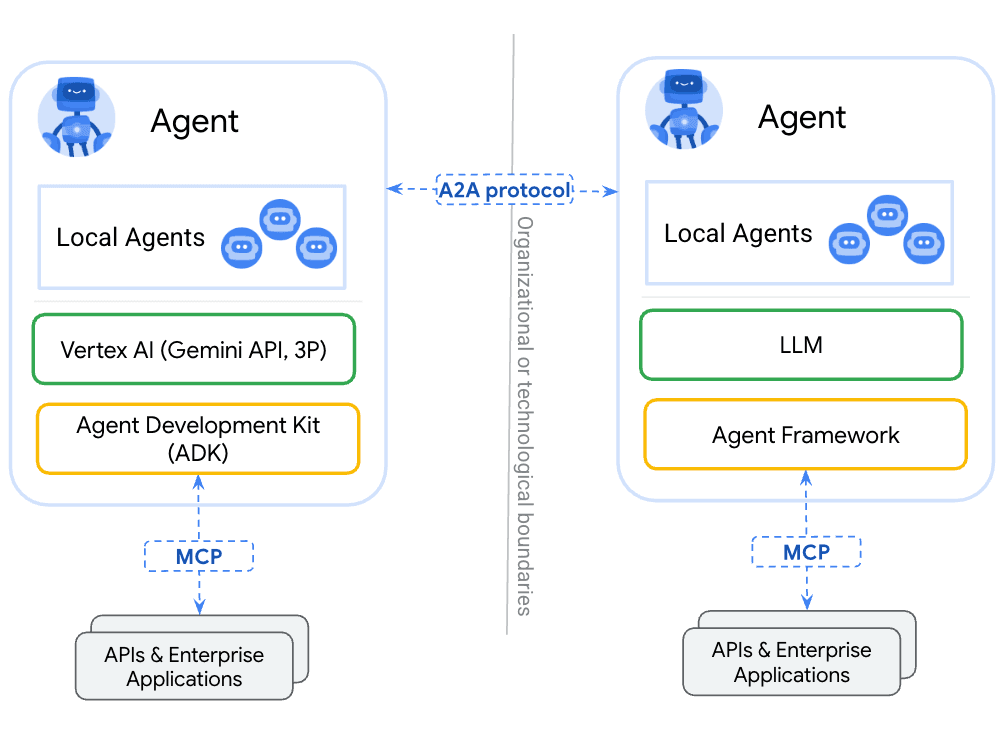
AI agents get expensive fast when every tool definition, every intermediate result and every follow-up decision has to be dragged back into the prompt. Anthropic is arguing that the better pattern is code execution: let the agent write code to call tools, keep context lighter and move through complex workflows without paying for every extra token.
That matters directly for monday.com, where the product lives or dies on orchestration. Boards, tickets, docs, dashboards, automations and external APIs are exactly the kind of multi-object environment that can turn an agent into a slow, costly demo if the architecture is sloppy. Anthropic says code-based MCP agents can handle more tools while using fewer tokens, which is a practical answer to the question every product and platform team now has to ask: can this run in real work, or only in a lab?

The scale behind MCP makes the point harder to ignore. Anthropic first announced the Model Context Protocol on Nov. 25, 2024. By December 2025, it said the ecosystem had grown to more than 10,000 active public servers, with official SDKs in all major programming languages and 97 million-plus monthly SDK downloads across Python and TypeScript. It also said Claude had more than 75 MCP-powered connectors. Anthropic’s message is clear: if agents are going to move beyond novelty, they need an efficient way to reach thousands of tools without turning every action into a context-management problem.
monday.com has been moving in the same direction. On March 11, 2026, the company said external AI agents can sign up, authenticate and operate directly inside monday.com, with instant GraphQL access to boards, items, automations, dashboards and docs. Those agents can organize projects, update workflows, trigger automations, generate reports and coordinate work across teams. monday.com also said agents use the same account structure and pricing model as human customers, with free sign-up and API access across all plans.
For monday.com, the economics are not abstract. The company said more than 250,000 customers worldwide use the platform as of June 18, 2026, including 4,547 customers above $50,000 in annual recurring revenue, and it had 3,211 employees as of March 31, 2026. First-quarter 2026 revenue reached $351.3 million, up 24% year over year. In 2025, monday.com said new products accounted for more than 10% of total ARR, monday CRM hit $100 million in ARR and the company crossed $1 billion in annual recurring revenue in 2024.
That is why Anthropic’s technical argument lands as a business story. If agents are going to be embedded in monday.com’s daily workflows, they have to stay fast enough for sales, product and engineering teams to trust them, and cheap enough for finance to tolerate them. The next phase of AI in work software will be judged less by what it can do in a demo than by how efficiently it can keep doing it at scale.
This article was produced by Prism’s automated news system from verified source data, official records, and press releases, then run through automated quality and moderation checks before publishing. The system is built and supervised by the people who set the standards it runs under. Read our full AI policy.
Did this article answer your question?