Asana action log template helps teams turn follow-ups into accountability
A simple action log can stop follow-ups from evaporating, turning meetings into visible commitments with owners, dates, and a clear next step.
Why an action log matters
Meetings create motion only when someone leaves with a clear owner, a deadline, and enough context to act. Without that, the same issues get revisited in the next standup, the next project review, and the next check-in, which is how teams end up with a lot of discussion and very little closure.
That is the basic promise of Asana’s action log template. It is built to capture decisions, next steps, owners, and delivery dates in one place, so follow-ups stop living in memory and start living in a shared system. For teams inside monday.com, where engineering, product, and sales often move on parallel tracks, that matters because the cost of a forgotten commitment is usually a second meeting, not a small delay.
What the template is designed to do
Asana positions the action log template as a tool for project managers, team leads, and operations pros who are juggling cross-functional work and dependencies. The idea is simple: create a reusable list of action items that keeps responsibility visible and makes it harder for work to slip through the cracks.
The template can be used to build action items with owners, descriptions, and deadlines. It also supports list and board views, which makes it easier for different teams to work from the same source of truth without forcing everyone into a single format. That flexibility is one reason these templates have become more than a note-taking convenience; they are a lightweight execution layer.
Why the details matter, not just the notes
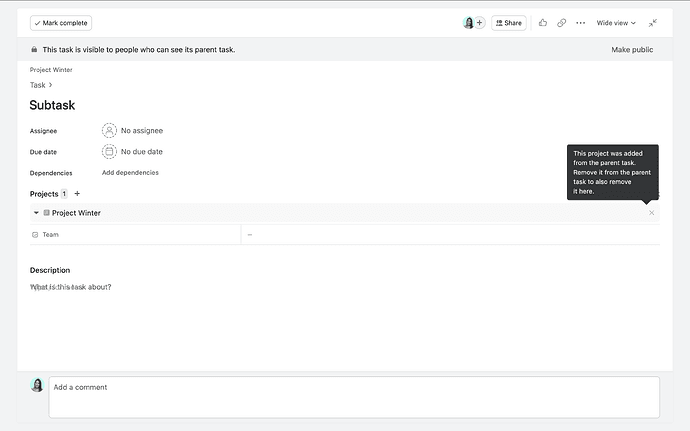
The real value of an action log is not storage. It is structure. Asana’s task-template guidance shows how much can sit inside a simple work item: assignee, relative due date, project, dependencies, custom fields, collaborators, subtasks, and attachments. That turns a meeting follow-up into something that can survive handoffs, not just survive the meeting.
Dependencies are especially important. Asana says they help teams see what they are waiting on from others, so they know when to start their own part of the work. In practice, that matters for feature launches, incident follow-ups, and sales commitments alike. A product review can produce a launch checklist, engineering can track remediation from a retro, and sales can record a promised customer follow-up without leaving the responsibility buried in a chat thread.
Asana also ties the template to automation rules, reminders, flexible views, and real-time reporting. That means the log can do more than document history. It can actively push work forward, flag overdue items, and make recurring blockers visible before they harden into a pattern.
How this changes execution inside a SaaS company
The best follow-up systems do one thing well: they convert ambiguity into accountability. That is the difference between a meeting that sounds productive and a meeting that actually changes the work.
In a fast-moving software company, people often walk out of a discussion with a stack of vague commitments. The action log makes the next step obvious, which is useful for managers trying to spot recurring delays and for individual contributors trying not to miss something they were never explicitly assigned. It also reduces repeat discussions, because the team is no longer relying on collective memory to remember what was decided, who owned it, and when it was due.
That is why the template fits product teams, engineering teams, and sales teams so cleanly:
- Product teams can turn review feedback into tracked launch tasks.
- Engineering teams can capture incident remediation, retrospective action items, or dependency-heavy work.
- Sales teams can record client promises and keep post-call commitments visible.
In each case, the point is the same: a meeting should produce work that is traceable, not just discussed.
Where Asana’s broader workflow approach comes in
Asana does not treat the action log as a standalone artifact. It sits inside a larger gallery of free project templates and AI workflows, with a template system meant to standardize best practices through ready-made guides for projects and tasks. The company also says its workflow and automation tools let teams build custom processes without coding.
That matters because teams do not usually fail from lack of enthusiasm. They fail because execution is inconsistent. A reusable template lowers the friction of starting the work the same way every time, which is exactly why templates tend to spread inside organizations that are under pressure to move faster without losing control.
Asana’s action-items template reinforces the same logic. It is meant to create reusable action items with owners, descriptions, and deadlines, then let teams track progress in real time. That combination, reusable structure plus live tracking, is what turns a follow-up list into an operating habit.
Why monday.com teams should care
monday.com has been making a similar case from its own product side. Its meeting agenda template says teams should measure meeting effectiveness through action item completion rates and decision implementation speed, which is a useful test because it moves the conversation away from how a meeting felt and toward what it actually produced.
Its board meeting minutes template goes a step further, with columns for talking points, time, place, attendees, and action items, plus the ability to assign owners right from the template. That is not just a clerical convenience. It is a clear signal that the handoff from discussion to accountability should happen in the same workspace where the team already manages work.
The company’s template center also points to the same operating model. monday.com says it includes boards, docs, WorkForms, dashboards, and bundled workflows with preset automations and views. monday work management is described as the core product for setting up work structure, tracking progress day to day, and scaling repeatable processes across projects and teams. In other words, both companies are moving toward systems where the template is not a side feature. It is the mechanism that keeps work coherent.
The bigger industry shift
This is also why the comparison matters beyond one template. monday.com says its enterprise offering focuses on connected strategy and execution, real-time risk identification, dashboards, and portfolio management. It says it is trusted by over 60% of the Fortune 500, offers more than 27 ways to visualize data, and includes 200-plus enterprise-ready templates.
That is a strong signal about where the market is going. Template-based workflow standardization is no longer a nice-to-have for teams that want tidy notes. It is a competitive battleground for software that wants to own the space between conversation and delivery. The companies that win that space will not be the ones that produce the prettiest meeting recap. They will be the ones that make follow-up impossible to ignore.
For teams inside monday.com, the lesson is direct. The most useful collaboration system is the one that keeps owners, due dates, and dependencies visible long after the meeting ends. That is how a simple action log becomes more than a template. It becomes the difference between work that moves and work that gets remembered.
Know something we missed? Have a correction or additional information?
Submit a Tip