Microsoft AI cuts Porsche crash assessment from 30 minutes to 5 minutes
Porsche Cup Brasil’s crash checks fell from 30 minutes to 5 as AI agents now triage damage before mechanics touch a wrench.
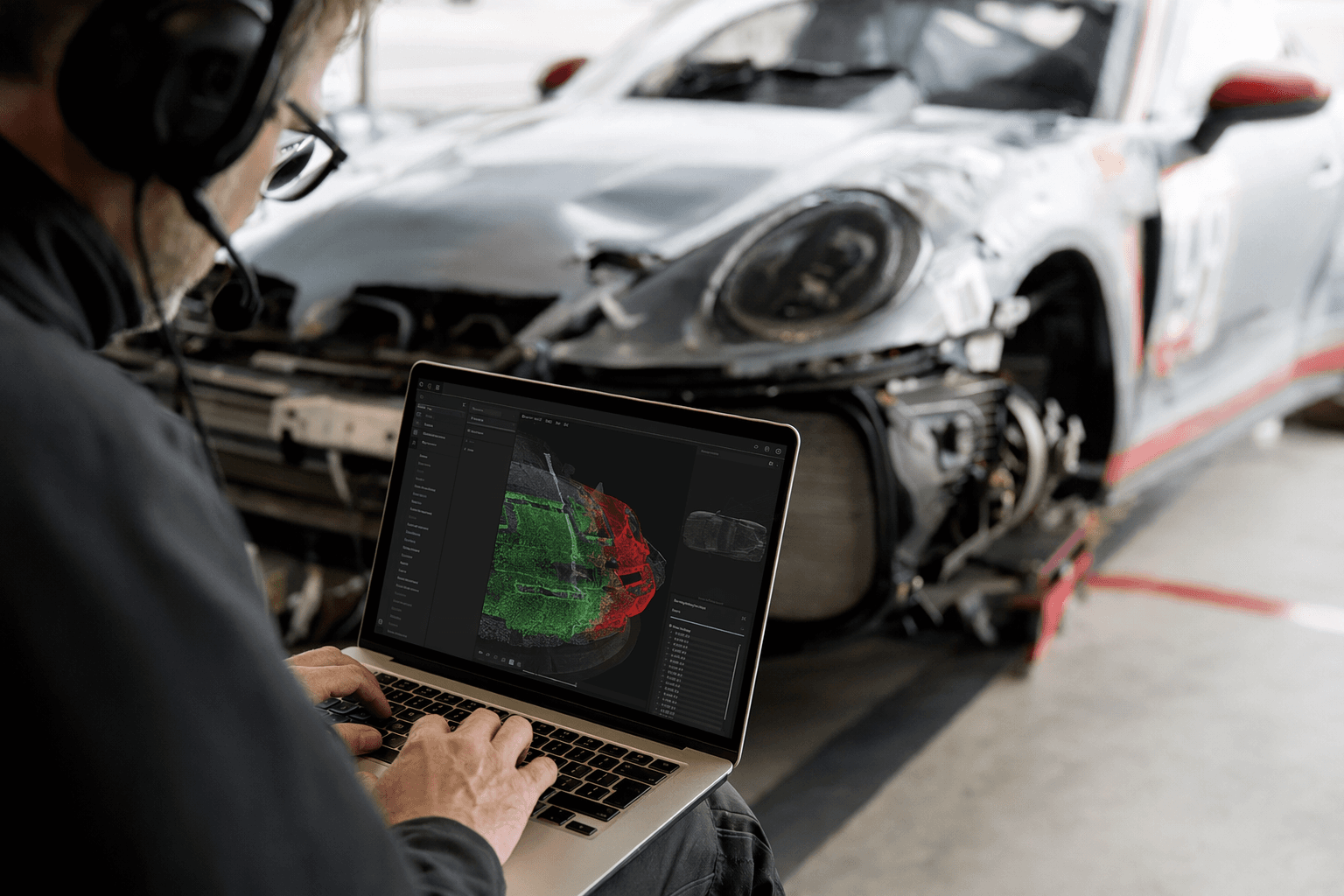
AI agents are turning up in one of the least chatbot-like places possible: a race paddock. At Porsche Cup Brasil, engineers now upload multi-angle photos of a damaged car, and Microsoft’s system helps generate a first pass on what broke, which parts are affected, and how fast repairs can start.
The setup is built on Azure AI, computer vision, Kumulus, Azure Kubernetes Service and Microsoft Foundry. Engineers create a digital crash record with details such as the car model, driver, race day and crash notes, then the image analyzer compares the damage against a catalog of about 2,000 parts. The workflow still leaves room for human judgment, which matters. Engineers validate and adjust the output, but the machine compresses the time it takes to get to that judgment.
That change has been dramatic. Microsoft says assessment time fell from 30 minutes to 5 minutes, while repair time was cut by 50%. Porsche Cup Brasil had previously relied on manual inspection of more than 100 components after a crash before repairs could begin. In a sport where every minute can decide whether a car returns to the grid, that kind of speed is not a flashy demo. It is a competitive edge.
Dener Pires, the CEO of Porsche Cup Brasil who founded the series more than 20 years ago, has framed the shift as part of a broader push to reduce the limits of human inspection speed, quality and error. Microsoft’s earlier work with the series focused on real-time telemetry in the cloud, and a November 2025 Portuguese release said the AI platform was designed to standardize routines, reduce failures and raise efficiency by up to 40%. The crash-analysis system extends that same logic from race data to race repair.
For monday.com, the takeaway is less about motorsport and more about workflow design. The strongest AI use cases are looking a lot like this one: structured intake, a machine that narrows the options fast, and a human who signs off before action. That pattern fits service teams, operations desks and sales support queues far better than AI that merely drafts text. In other words, Porsche Cup Brasil is showing what buyers actually pay for, not novelty, but fewer bottlenecks, faster handoffs and a visible business outcome.
Know something we missed? Have a correction or additional information?
Submit a Tip