Atlassian backlog guide says one prioritized list drives better product decisions
A clean backlog is not admin work. It is the filter that keeps monday.com shipping the right features, faster, with less guesswork.
One backlog, one truth
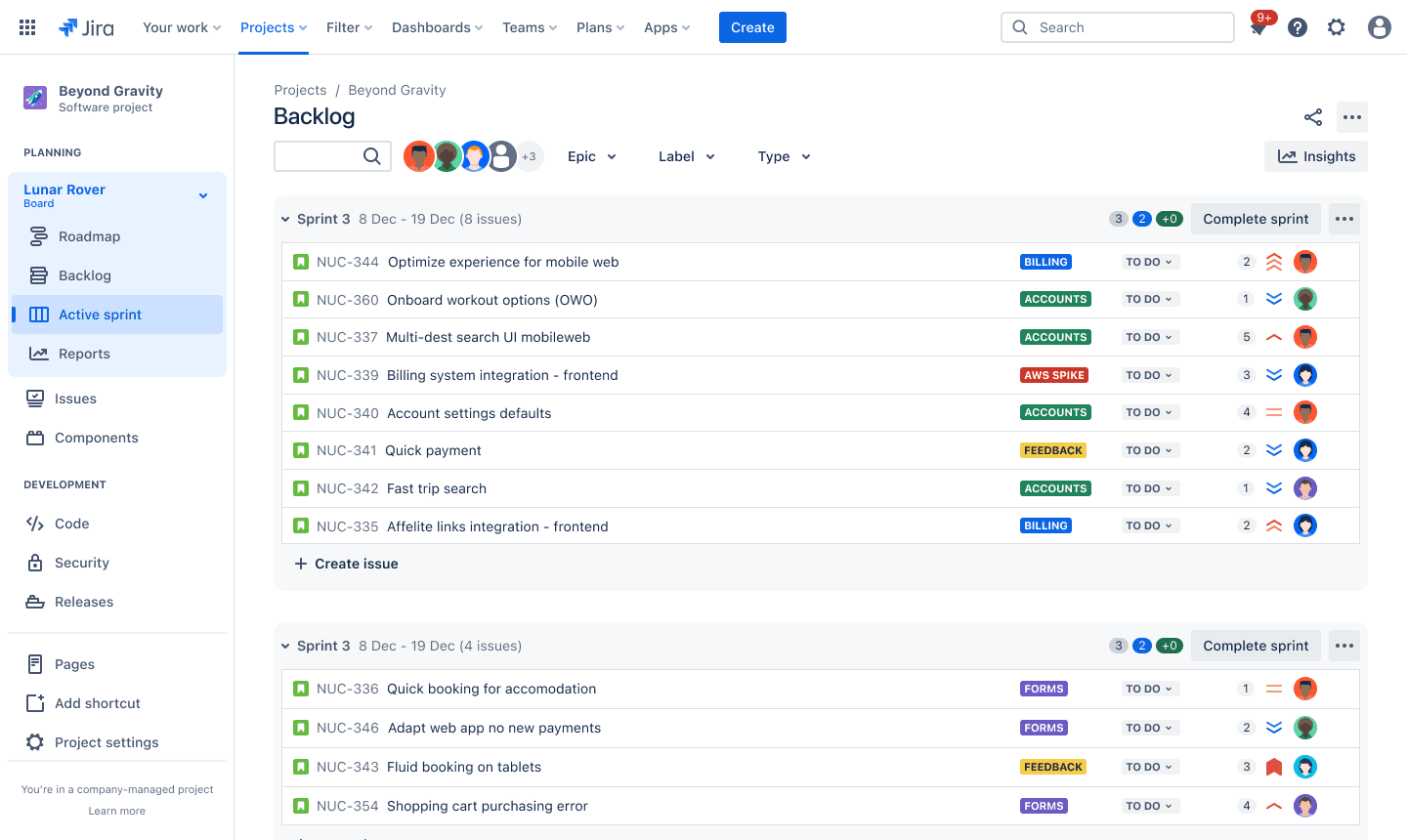
Atlassian’s backlog guide makes a blunt point that matters inside every product org: a backlog is not a dumping ground for demands. It is a decision-making tool. When the list is groomed, organized, and visible, it becomes the place where tradeoffs are made in public, not hidden across Slack threads, spreadsheets, and side conversations.

That matters especially at monday.com, where the backlog sits at the seam between strategy and execution. Engineers need to know what is truly next. Product managers need a defensible logic for why one request moves ahead of another. Sales teams need to be able to explain why a customer request is being addressed now, later, or not at all. A backlog that works like a strategic filter does more than tidy up planning. It reduces confusion, speeds delivery, and protects trust.
The Atlassian framing is useful because it treats the backlog as a living system. Priorities shift, customers change their minds, and new constraints appear. In a market shaped by AI, that fluidity is even more pronounced. Teams that pretend the backlog is static end up carrying stale assumptions much longer than they should.
Why weak backlogs create real business drag
A bad backlog is usually described as clutter, but clutter is the wrong word. Clutter suggests a housekeeping issue. In practice, an unprioritized backlog is a symptom of weak prioritization and cross-team misalignment. If feature requests, bugs, technical debt, and research tasks are scattered across tools, teams create competing versions of the truth. That hidden work slows planning and makes every roadmap conversation harder than it needs to be.
Atlassian’s guide pushes the opposite discipline. A healthy backlog should be regularly reviewed, refined, and aligned with stakeholder feedback and business objectives. It should also live in one issue tracker. That is not just a workflow preference. For a scaling SaaS company, one tracker means fewer blind spots and fewer arguments about which list is current. It is one of the simplest ways to keep engineering time focused on the highest-value work instead of on reconciling systems.
The guide also broadens what belongs in the backlog. User stories, features, bug fixes, technical tasks, and research activities all count. That matters because the most important work in product development is not always visible to customers. Some of it never gets a roadmap slide or a launch note, but it still determines whether the product ships cleanly at scale.
The monday.com version of the same discipline
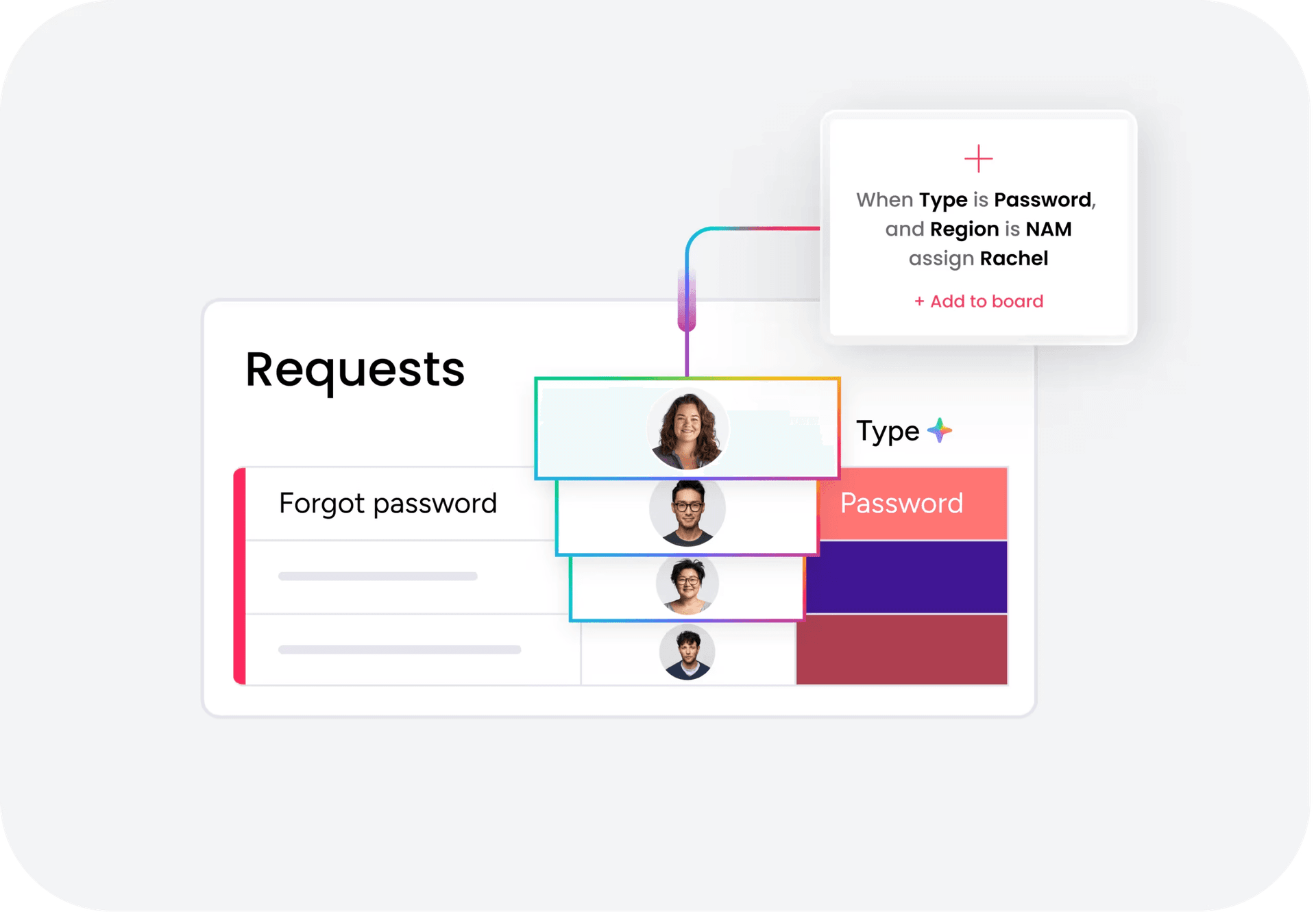
monday.com’s own product materials point in the same direction. Its Product Team solution says the product backlog is there to prioritize and manage a team’s tasks and upcoming work, alongside quarterly goals, centralized customer feedback, feature-request tracking, a PM dashboard, and a PRD template. That is a stronger model than a loose request pile. It ties the backlog to goals, feedback, and operating cadence instead of treating it as a holding pen.
The company’s feature-request community reinforces the same idea from the customer side. Users can vote on ideas, and product teams regularly review requests to stay close to what users are asking for, but not every suggestion becomes a feature. That is the right message for a company at monday.com’s scale. Voting can surface demand, but it does not replace prioritization. Product teams still have to weigh fit, effort, timing, and strategic value.
monday.com’s feature backlog template adds another useful layer. It is designed to help teams keep on top of existing features while evaluating new items as they are suggested. In other words, backlog management is not a one-time cleanup project. It is continuous refinement. The team revises items, adds new ones, and keeps the list current as priorities evolve.
What this means for roadmap clarity and trust
For monday.com, the benefit of a disciplined backlog is not abstract. It shows up in roadmap clarity. When the backlog is explicit about what is being considered, what is blocked, and what is deferred, fewer stakeholders mistake a customer ask for a promise. That makes roadmap conversations sharper, because the team can explain not just what is happening next, but why.
It also improves trust. Sales teams do not need a vague answer about “future consideration.” They need a credible explanation for how the product team is thinking about the request. Customer-facing teams can point to a process that is visible, reviewed, and linked to broader goals. That transparency is especially important when customer pressure is high and every “yes” has downstream costs.
The research notes on Atlassian’s guide are clear on the core payoff: a well-prioritized backlog improves prioritization, efficiency, communication, and customer satisfaction. Those gains reinforce one another. Better prioritization cuts noise. Better communication lowers rework. Better customer satisfaction makes the entire feedback loop more productive.
Scale makes backlog discipline non-negotiable
The reason this matters so much at monday.com is scale. The company says more than 250,000 customers worldwide use its platform to bring people, workflows, and AI agents together on one flexible system. That kind of footprint means every product decision has to work harder. A request that seems small to one customer can create real opportunity cost when multiplied across a large and growing user base.
The financial context makes the same point. In its February 10, 2025 fourth-quarter and full-year 2024 results, monday.com reported quarterly revenue of $268.0 million, up 32% year over year, with net dollar retention of 112%. In its fiscal 2025 results, the company said fourth-quarter revenue rose to $333.9 million, up 25% year over year. It also said monday vibe became the fastest product to surpass $1 million in annual recurring revenue in company history, and that customers with more than $50,000 in ARR represented 41% of total ARR.
Those numbers do not just signal growth. They raise the cost of indecision. As the customer base expands and the product surface area widens, every unprioritized request competes with higher-value work. The backlog has to do more than store ideas. It has to protect the company from scattered priorities, keep teams aligned, and make sure the next thing built is actually the right next thing.
That is the real lesson from Atlassian’s guide for monday.com teams: a clean, explicit, continuously groomed backlog is one of the best defenses against chaos. It is how a product organization turns customer demand into a roadmap, and a roadmap into software that ships with purpose.
This article was produced by Prism’s automated news system from verified source data, official records, and press releases, then run through automated quality and moderation checks before publishing. The system is built and supervised by the people who set the standards it runs under. Read our full AI policy.
Know something we missed? Have a correction or additional information?
Submit a Tip