FERC fast-tracks data center hookups as AI grid costs rise
FERC told six grid operators to speed data-center hookups and charge them for the connection, pushing AI growth against the limits of the power grid.

The next AI bottleneck is looking less like chips and more like electricity. FERC moved to fast-track data-center hookups to the grid, but it also put the cost of connection on the large users themselves, a change that could affect how quickly AI products scale and how much they cost to run.
On June 18, the Federal Energy Regulatory Commission issued tailored show-cause orders under Section 206 of the Federal Power Act to all six U.S. regional grid operators. The commission gave them 60 days to justify existing large-load tariffs or file revisions, covering data centers, manufacturing facilities and other large energy users. FERC’s fact sheet called the effort historic and said it was intended to improve efficiency, reliability and a “bold energy future” while protecting ratepayers and speeding large-load integration.
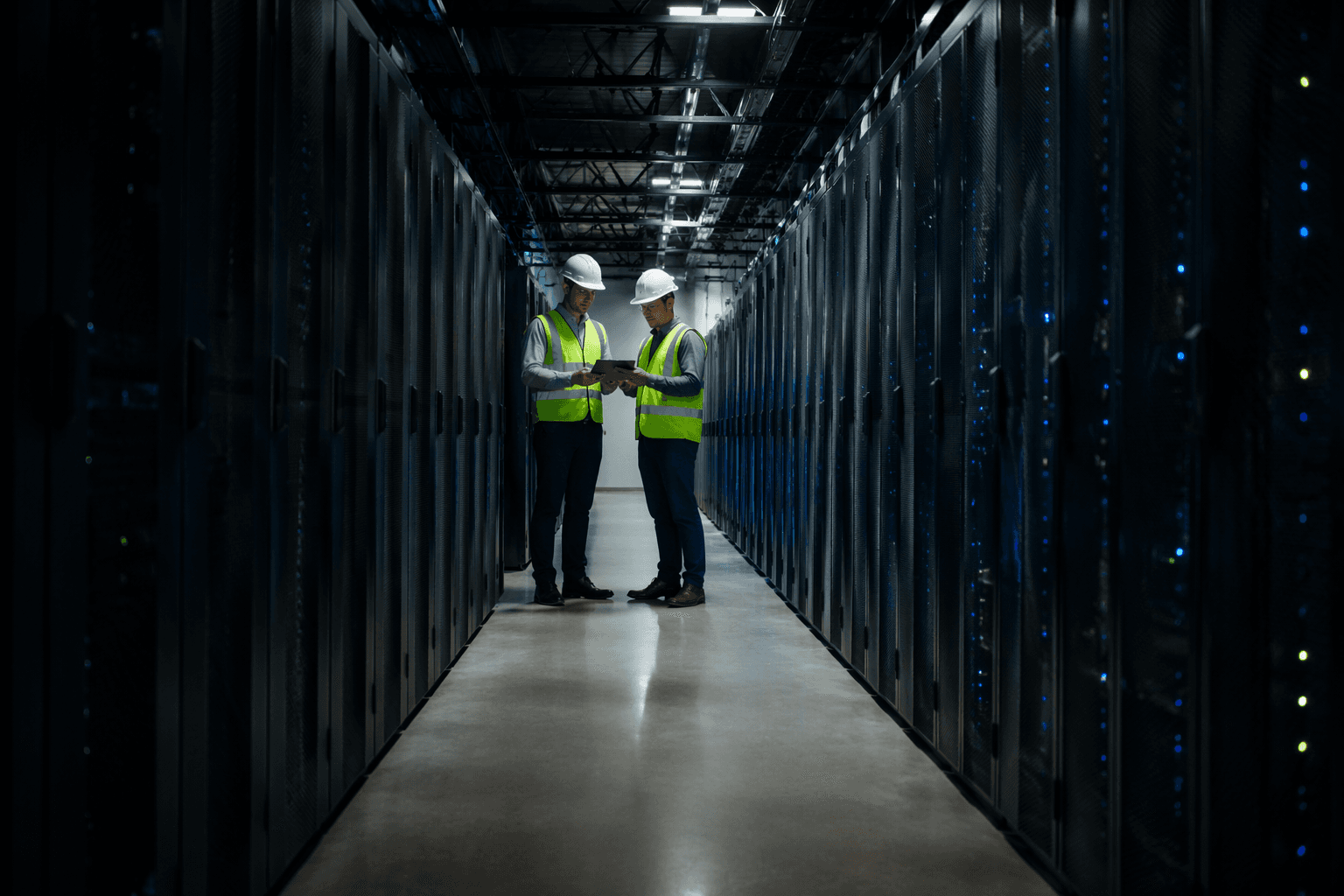
For monday.com teams building AI into workflow orchestration, the business signal is clear: compute is becoming a power problem. If grid access takes longer or costs more, the companies that can deploy inference and training at scale will be the ones that can secure capacity, manage interconnection timelines and keep energy costs under control. That makes efficiency, governance and selective use of AI more than product choices. They become pricing and delivery constraints.
The commission’s action also reaches beyond one type of customer. Public reporting says the reforms focus on five areas: transmission study processes, cost transparency and cost shifting, co-location and behind-the-meter generation, flexible large-load transmission service and how generators serving electrically proximate large loads are studied. FERC also directed grid operators to consider alternative transmission technologies and report on spare generating capacity, underscoring that the bottleneck runs from generation to transmission to site-level deployment.

The decision followed months of pressure. In April, FERC said it would act on the large-load interconnection docket by June 2026, after the U.S. Department of Energy pushed the agency to accelerate rulemaking that explicitly included data centers. Lawrence Berkeley National Laboratory’s 2025 interconnection research showed why the issue had become urgent: its dataset covered seven ISOs and RTOs and 50 non-ISO balancing areas, representing about 98% of U.S. electric generating capacity, and found interconnection queues had become a major bottleneck for getting projects onto the grid.

For sales teams, that backdrop matters because AI buyers may get more selective. If compute gets more expensive or slower to scale, customers are likely to favor products that deliver clear business value without wasting capacity. For product managers and engineers, the message from FERC is that the next wave of AI infrastructure will be shaped as much by utility rules and transmission timelines as by model quality. The companies that adapt to that reality fastest will be the ones that move fastest.
This article was produced by Prism’s automated news system from verified source data, official records, and press releases, then run through automated quality and moderation checks before publishing. The system is built and supervised by the people who set the standards it runs under. Read our full AI policy.
Did this article answer your question?