Gartner says AI coding agents are reshaping software engineering
Gartner says AI coding agents are moving into enterprise infrastructure, and by 2027 most agentic teams may treat IDEs as optional.

The AI coding-agent market has moved past demo theater. Gartner said on May 20 that the category has entered a new phase of expansion and competitive realignment, with an annualized market size of roughly $9.8 billion to $11.0 billion as of April 2026 and a forecast that by 2027 more than 65% of engineering teams using agentic coding will treat integrated development environments as optional.
That shift matters because it changes what buyers are actually comparing. Gartner said the market has expanded rapidly since mid-2025 as vendors move from seat-based subscriptions to usage-based pricing, and as agentic software development spreads across the full software development life cycle, from planning to creation to code review. The result is a very different procurement question than the one engineering teams were asking when AI code tools were mostly assistant products bolted onto an IDE.
For engineering leaders, the new buying checklist is less about a flashy model demo and more about governance, pricing, support, workflows, commercial maturity and market durability. In practice, that means sandboxing, auditability, policy controls and clean integration with review and release processes matter more than a clever autocomplete. Gartner’s 2026 Magic Quadrant materials said the market is being reshaped by adoption, automation and intensifying competition, which is another way of saying the winner will be the vendor that fits the way teams actually ship software.
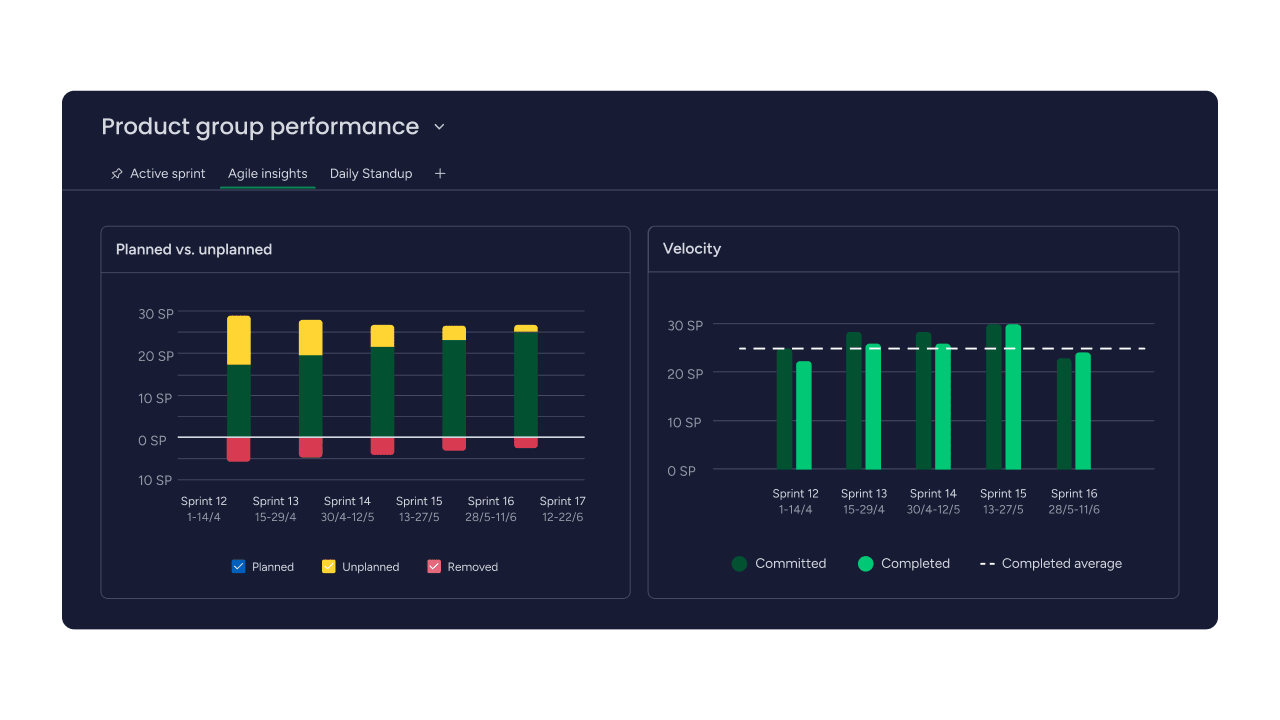
That is a meaningful moment for monday.com, which on May 6 said it was becoming an AI Work Platform and rebuilding its product around people and agents working together. The company said more than 250,000 customers worldwide use its platform, and it has said monday CRM, monday service and monday dev all run on the same infrastructure. monday.com has also said its AI agent stack includes dedicated agent onboarding and purpose-built infrastructure that lets external AI agents access the platform, while Agentalent.ai is its managed marketplace for discovering, evaluating and hiring AI agents for defined business roles.
For monday dev, the timing is especially sharp. The product is described as an end-to-end development execution platform for engineering, product and cross-functional teams, which puts it squarely in the lane Gartner says is shifting from AI-assisted development to agentic software development. The practical lesson for teams inside monday.com is clear: the next round of AI tools will be judged less on novelty and more on whether they can become part of the company’s operating system without creating chaos.
Gartner was already pointing in this direction in 2024, when it predicted that 75% of enterprise software engineers would use AI code assistants by 2028, up from less than 10% in early 2023. What changed in 2026 is not the direction of travel, but the level of seriousness. The market is now big enough, and crowded enough, that the wrong stack choice can shape how an engineering organization works for years.
This article was produced by Prism’s automated news system from verified source data, official records, and press releases, then run through automated quality and moderation checks before publishing. The system is built and supervised by the people who set the standards it runs under. Read our full AI policy.
Did this article answer your question?