Google Pushes Agentic Era, Raising the Bar for Monday.com
Google turned Cloud Next into a test of who can run agents safely at scale, and monday.com now has to prove its AI can do more than demo.

Google’s Cloud Next 2026 gathering in Las Vegas was less a product parade than a market signal. With more than 32,000 leaders, developers, and partners in the room and more than 250 product, customer, and ecosystem announcements in the recap, Google made one message hard to miss: the enterprise software race is moving from AI features to agentic operations, where companies will need mission control for thousands of autonomous systems.
That shift matters for monday.com because buyers will no longer judge work-management platforms on whether they have AI. They will judge whether those tools can orchestrate work across apps, protect data, and scale agents without creating operational noise. For engineers, that means permissioning, observability, and infrastructure that hold up in production. For product teams, it means AI has to sit inside end-to-end workflows, not just appear as a thin assistant layer. For sales, the conversation is moving toward how a platform helps customers move from experiments to operating models.

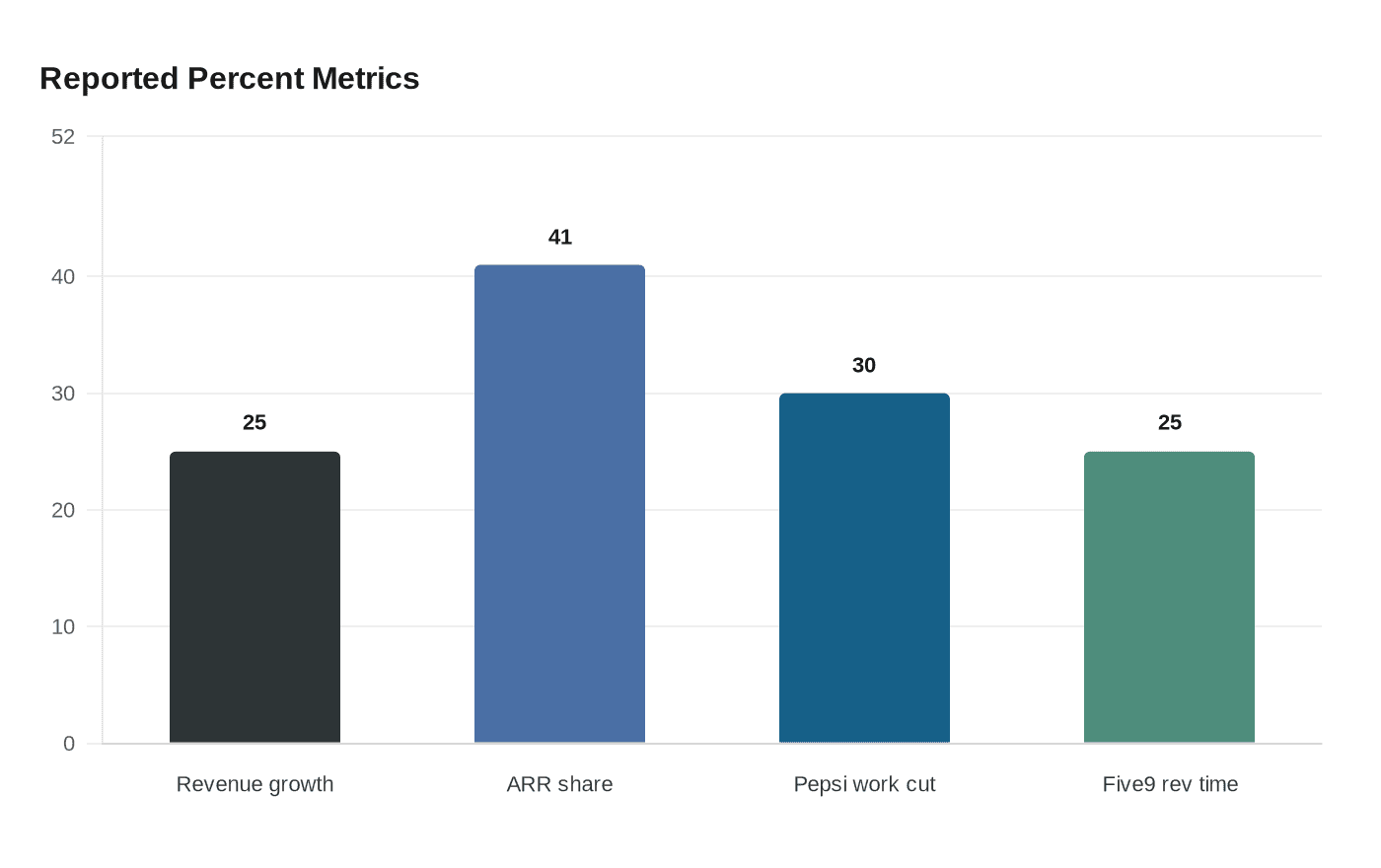
monday.com is already positioning itself for that standard. In 2025, it introduced monday agents, a new agent builder, monday magic, monday vibe, and monday sidekick, tying the roadmap to what it calls a digital workforce. The company’s latest numbers give that push more weight. In Q4 2025, revenue reached $333.9 million, up 25% year over year. monday.com also said monday vibe was the fastest product in company history to pass $1 million in annual recurring revenue, and customers with more than $50,000 in ARR now represent 41% of total ARR.
Google’s own ecosystem strategy raises the bar further. The company said it is backing agentic development with a $750 million partner fund and deeper enterprise partnerships, while expanding ties with platforms including Salesforce, SAP, and ServiceNow. That matters to monday.com because interoperability is becoming part of the buying test. Google Cloud already documents a monday.com connector for Integration Connectors, and Gemini Enterprise documentation includes setup steps for a monday.com connector, a sign that the platform is already showing up in the plumbing enterprises may use to wire agents into core workflows.
monday.com has started putting numbers behind the payoff. The company said Pepsi cut low-impact work by 30% while hitting 100% of critical deadlines, and Five9 reduced time to revenue by 25% through AI-powered workflows. It also said it serves more than 250,000 customers worldwide. Those are the kinds of outcomes enterprise buyers will now expect to see attached to agentic software, not just slideware. In Google’s version of the market, the winners will be the platforms that can prove secure, cross-system, multi-agent execution and measurable operational value.
Know something we missed? Have a correction or additional information?
Submit a Tip