Google Slides update points to more editable AI deck building
Gemini in Google Slides can now build multi-slide decks from a single prompt, pull from Drive, and still leave the final presentation fully editable.
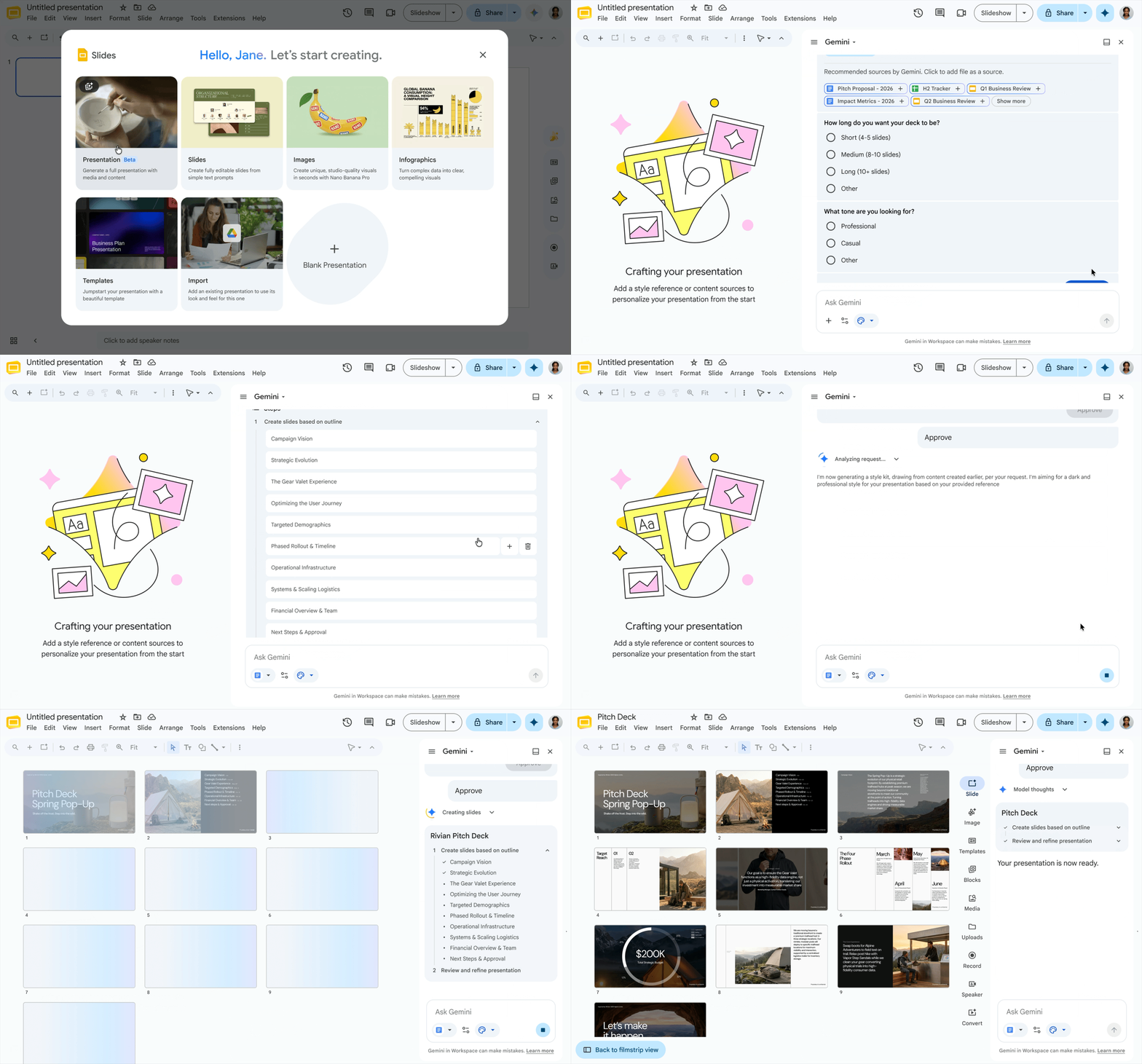
Google pushed Gemini in Slides closer to a real production tool on June 30, letting users create a full, multi-slide presentation from a single prompt and then edit the result normally afterward. The update also let Gemini ground decks in existing Google Drive content, match the style of another presentation, and surface relevant files, emails and chats for users to add.
The company said the feature launched in English only, and that promotional access to higher usage limits would run through at least August 1. That makes the rollout look less like a polished finish line than a live test of how far teams will trust AI to assemble client-facing work when the source material is already sitting inside Workspace.

Google has been moving in this direction for months. In April, it said Gemini could generate beautiful and editable slides, reference specific files for content or style, and edit existing Slides to change layouts, design elements or content. In March, Google said Gemini across Docs, Sheets, Slides and Drive could pull information from files, emails and the web when users selected sources. Back in October 2025, the company said users could build slide presentations in the Gemini app through Canvas and export them to Google Slides for further editing.
For monday.com, the practical effect lands first in sales enablement, marketing and product communications, where deck creation still eats up a lot of coordination time. A feature that gets a presentation to something close to presentable in one pass shifts the bottleneck from drafting to review, fact-checking and narrative control. That is a better problem than a blank page, but it is still work, and the people who own that work will feel the difference fast.
It also raises the value of clean source systems inside monday.com itself. The company has been framing monday AI as a work platform built around people and agents working side by side, and its AI agents page says those agents operate in the context of work and can execute tasks end to end inside boards and workflows. Its sales-enablement materials make the same point in more familiar terms, arguing that centralizing training, coaching, sales content, analytics and pipeline tools helps reps spend less time searching for materials and more time closing deals. Google’s Slides update points to the same end state: AI gets more useful when the knowledge underneath it is organized, current and easy to reuse.
This article was produced by Prism’s automated news system from verified source data, official records, and press releases, then run through automated quality and moderation checks before publishing. The system is built and supervised by the people who set the standards it runs under. Read our full AI policy.
Did this article answer your question?