How monday.com employees can make better use of workplace benefits
The biggest missed pay at monday.com is often in benefits, not salary. Retirement, equity, leave and learning perks can add real value if you use them.
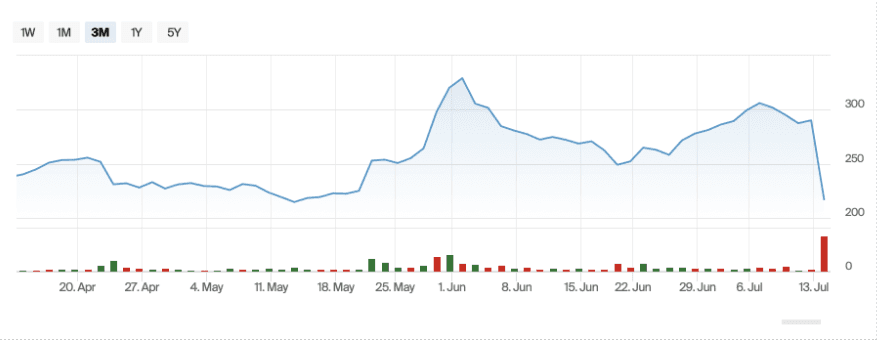
On July 15, 2026, monday.com shares traded around $80.71, down 71.6 percent over one year, while the public company whose shares trade as MNDY advertised salary, bonus potential, equity access for some roles, monthly stipends, paid leave and learning support on its hiring pages. Those listings make benefits part of compensation, not a side perk.
Treat equity like cash with risk
Some roles are eligible to take part in the company equity incentive program, and the total rewards role is built around annual compensation cycles, merit, bonus and equity. That is a cue for employees to pay attention to vesting, refresh grants and any stock purchase discount with the same seriousness they give base salary.
For engineers, product managers and sales staff, that means thinking beyond the headline offer. If your role includes equity, the value can change faster than any food or wellness stipend ever will, and part of your total pay depends on MNDY.
Retirement benefits only work if you set them up
In U.S. job listings, monday.com includes automatic 401(k) contributions, and some roles add an employee stock purchase plan at a discount. Those are the kinds of benefits employees often underuse because they feel invisible next to salary, yet they are among the fastest ways to turn compensation into long-term savings.
The practical move is simple: open the plan portal, check your contribution rate, confirm whether the company money is actually being captured, and make sure you understand the timing of any stock purchase window.
Health, leave and mental health are part of pay
monday.com’s U.S. listings also advertise comprehensive medical, dental and vision insurance, generous paid time off, fully paid parental leave and sick leave. In Warsaw, the company lists private medical care, life insurance, a Multisport card and access to the Calm Mindfulness App, plus free breakfast and lunch in the office from Monday through Wednesday.
A sales rep who skips parental leave because a quarter-end feels too busy is taking a hidden pay cut in time and recovery; an engineer who never opens the mental health or medical options is paying for stress in ways the company already covered.
monday.com’s hiring mix also shows a hybrid culture rather than a one-size-fits-all setup. One posting describes a role in São Paulo as hybrid at three days a week in the office, while other listings point to office-based teams in hubs like Warsaw.
Learning support can pay back faster than you think
The company has a dedicated learning and development team that offers workshops, new skills and AI tool training, and monday academy adds courses, webinars and certifications. monday.com positions itself as an AI work platform with more than 250,000 customers and over $1 billion in ARR.
Engineers can use that support to stay current on product, infrastructure and AI workflows. Product managers can use it to sharpen execution and platform fluency. Sales professionals can use it to turn product knowledge into shorter ramp times and better customer conversations, which is especially useful in a company that keeps shipping new features, including the AI Work Platform with Native Agents announced in its first-quarter 2026 results.
Turn monthly perks into monthly savings
monday.com repeatedly lists monthly stipends for food, wellness and commuter or remote work. That is the kind of benefit people wave away because it sounds small, but it adds up if it offsets the costs that show up every month anyway, such as lunches, gym expenses, transit, co-working or a better home-office setup.
If you work remotely or hybrid, route those recurring costs through the benefit instead of absorbing them through take-home pay.
A practical benefits audit
Start with the money that compounds, then move to the protection and flexibility that keep you working well. monday.com’s own rewards function, including a role focused on merit, bonus and equity cycles, shows that compensation is already managed in layers.
1. Put a dollar value on retirement and stock perks.
Add up your 401(k) contributions, any automatic company contribution and any stock purchase discount so you can compare them with base salary instead of treating them as abstract extras.
2. Compare health coverage to your real life.
Check how the medical, dental and vision plan works near where you live, and make a separate note for location-specific benefits such as private medical care or life insurance if your role is outside the U.S.
3. Spend the learning money while your role is still changing.
One workshop, one certification or one AI training can matter more than a vague promise to learn later. monday.com’s learning team and monday academy already give you the structure.
4. Use leave before burnout uses you.
PTO, sick leave and fully paid parental leave are easier to take when you plan them around launch calendars, sales cycles and review periods instead of waiting for a crisis.
This article was produced by Prism’s automated news system from verified source data, official records, and press releases, then run through automated quality and moderation checks before publishing. The system is built and supervised by the people who set the standards it runs under. Read our full AI policy.
Did this article answer your question?