Monday.com wins over Microsoft Project with simpler, faster collaboration
Monday.com wins when rigid project software slows real collaboration. The payoff is faster adoption, cleaner reporting, and less admin work for every team.

monday.com says more than 250,000 customers worldwide use its platform; Microsoft Project still centers on schedule control, dependency logic, and resource planning. When a project plan is only useful to the PMO, it stops behaving like a shared system and starts becoming overhead. The real buying question is not which tool has more knobs; it is which one the rest of the company will actually use.
Why the migration question keeps coming up
The company has broadened from work management into CRM, dev, service, WorkCanvas, WorkForms, and AI agents. Founded in 2012 by Roy Mann and Eran Zinman and public since June 10, 2021, it now sells itself as a multi-product company because cross-functional work rarely fits a single template. That is the migration moment many teams hit when a legacy scheduling tool starts feeling too narrow for the rest of the business.
For monday.com employees, that broad pitch mirrors the way the company works internally. On its careers page, monday.com says most teams work in a hybrid model, spending three days a week together in the office and the rest of the time where they do their best work.
What Microsoft Project still does well
Microsoft Project still has real strengths when the work is heavily scheduled. Project is a desktop tool for managing individual projects, with the Gantt Chart as the default and most commonly used view, task hierarchies, linked tasks, resource assignments, reports, and baselines, including the option to set as many as 11 baselines in a single project. If the team needs a classic critical-path model, that depth is the point.
That depth comes with weight. Project’s scheduling logic includes task dependencies, constraints, task types, effort-driven scheduling, slack, resource calendars, working time, and manual versus automatic scheduling, and task start times move as dependencies change. That precision can be valuable for engineers and project leads who want a detailed plan, but the same model also raises the bar for upkeep and makes the schedule easier to treat as a specialist system than a shared workspace.
How monday.com changes the day-to-day
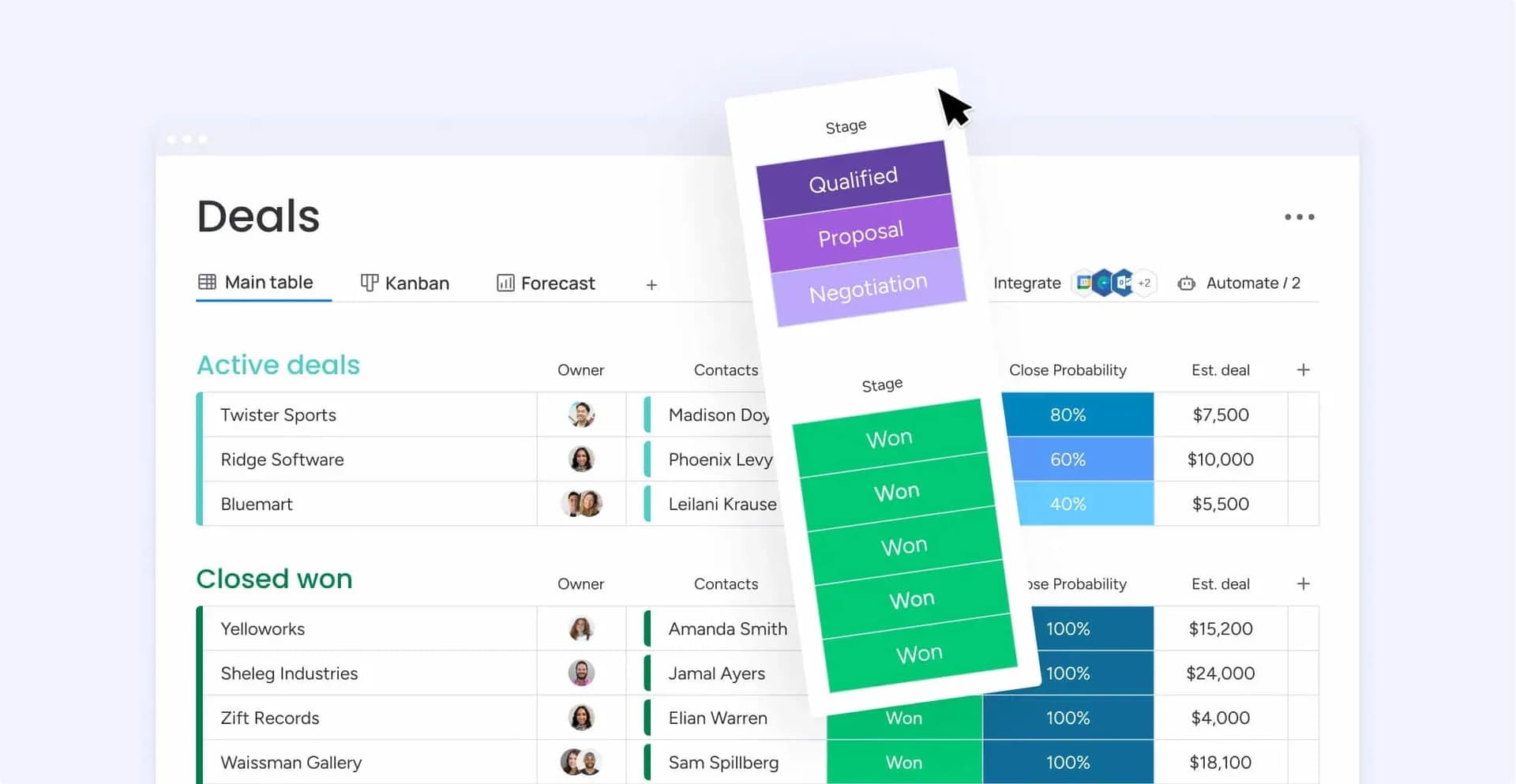
monday.com takes a different path. The platform is built around flexibility for teams, control and visibility for leaders, and a centralized view from intake to execution, with built-in resource management. The dashboards product lets users see a single view across boards, connect boards from different portfolios, and work with more than 30 widgets without manually duplicating data. That shifts reporting from a locked planning file into something more collaborative and easier to read across functions.
monday.com says automations can be set up within minutes and are code-free, cutting down on repetitive status chasing and email-heavy coordination. The product is built for marketing, operations, IT, product, sales, HR, and PMO teams on one secure AI work platform, so a sales rep or engineer does not have to learn project-management jargon before contributing to the plan.
What to compare in a real workplace
The buying conversation usually breaks into four tests. Time to adoption favors the tool that can be configured quickly and used without a specialist; collaboration outside the PMO favors the platform that can present work in plain language to multiple functions; reporting flexibility favors the system that can aggregate boards and portfolios without rebuilding data; and total admin overhead favors the tool that reduces manual upkeep. Project offers reports and baselines, but monday.com’s dashboards and automations are built to keep status moving with less hand editing.
That is why the comparison lands differently for different roles. Engineers may still care about dependency tracking and schedule logic, yet they also need a system that does not become another maintenance burden. Product managers need executives, individual contributors, and sometimes clients looking at the same work without three separate status rituals. Sales teams want visibility into deals and follow-ups without a separate planning layer. monday.com keeps pushing the platform beyond classic project management.
What it means for monday.com
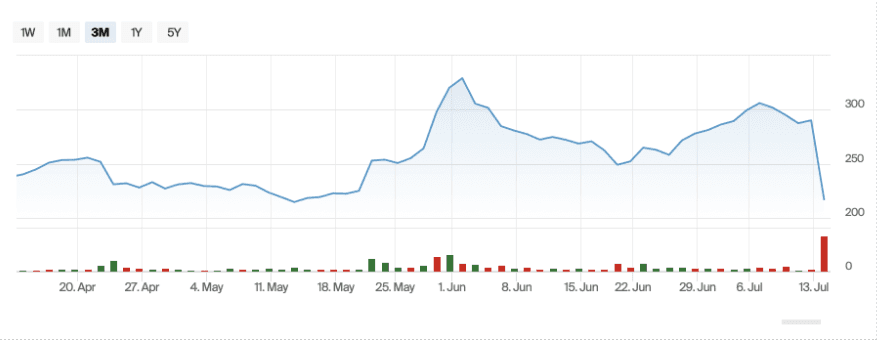
MNDY closed at $80.71 on July 14, 2026, down 45.30% year to date, even as the company remains public and headquartered in Tel Aviv-Yafo, Israel.
This article was produced by Prism’s automated news system from verified source data, official records, and press releases, then run through automated quality and moderation checks before publishing. The system is built and supervised by the people who set the standards it runs under. Read our full AI policy.
Did this article answer your question?