How monday.com ESPP taxes work, and why Form 3922 matters
monday.com’s ESPP can be real money, but only if you track holding periods and Form 3922. The tax win lives in the sale, not the discount.
An ESPP can look like easy money until the sale lands on your tax return. For monday.com employees weighing salary, RSUs and cash flow, the plan only pays off if you treat it as a separate equity decision with its own tax clock.
Why this matters inside a public-company comp package
monday.com tells investors it has more than 250,000 customers worldwide, and it reported 51,160,822 ordinary shares outstanding as of December 31, 2025. The company also said on March 13, 2026 that it filed its 2025 Annual Report on Form 20-F with the Securities and Exchange Commission. That is the backdrop for any equity decision inside the company: you are not just thinking about a discount, you are thinking about how public-company stock compensation turns into actual after-tax cash.
That is also why ESPPs sit in a different bucket from RSUs. RSUs are usually taxed when shares vest and are delivered. A Section 423 ESPP works differently. Under IRS rules, it is a statutory stock option plan, and you generally do not include anything in gross income when you receive the grant or exercise the option to buy the stock. The tax result usually shows up later, when you sell or otherwise dispose of the shares.
The real tax event is the sale
The biggest mistake employees make is assuming the purchase discount is the end of the story. It is not. The IRS says you recognize gain or loss when you sell the stock, and the split between compensation income and capital gain or loss can depend on the type of sale and how long you held the shares.
That means the same ESPP purchase can produce very different results. If you sell quickly, part of the benefit may be treated like compensation. If you hold long enough, some sales can qualify for more favorable treatment. The practical takeaway is simple: the discount is valuable, but the after-tax value depends on the share price, your holding period and the way the sale is classified under the plan rules.
For a monday.com worker deciding whether to enroll, this makes ESPP less like a bonus and more like a disciplined savings mechanism. If you can consistently set aside payroll dollars, you may be buying public-company stock at a discount and converting a slice of compensation into a long-term position. If the stock drops after purchase, the discount may not protect you the way you expected. That is why employees should think in terms of after-tax outcomes, not headline discount rates.
Why Form 3922 is the paper trail that keeps you out of trouble
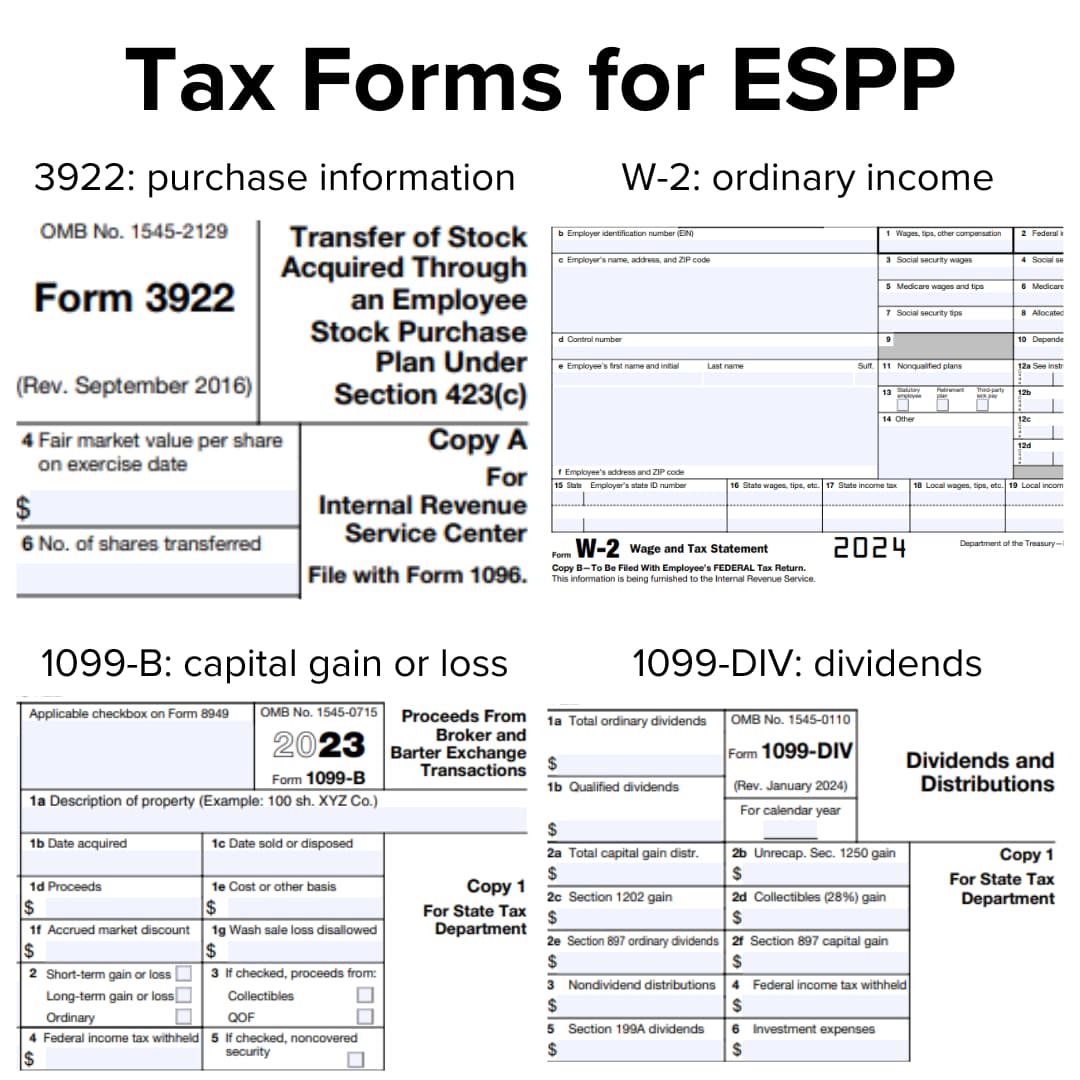
Form 3922 is the information statement tied to stock acquired through a Section 423 employee stock purchase plan. The IRS says corporations file the form for each transfer of legal title of ESPP stock, and employees should keep it to figure gain or loss when they sell.
That form matters because it captures the dates and values that determine tax treatment. If you ever need to sort out whether a sale is qualifying or disqualifying, or how much of your proceeds belongs on the compensation side versus the capital gain side, Form 3922 is the record that tells the story. Without it, you are left piecing together purchase dates, transfer dates and price data from payroll statements and brokerage records.
The filing cycle also matters. Under the current IRS instructions for Forms 3921 and 3922, which were revised in April 2025 and apply for tax year 2025 and later until superseded, annual information statements for ESPP transfers are furnished by January 31. The related information returns are filed by the end of February or March, depending on whether the company files on paper or electronically. For employees, that means the form should arrive early enough to support your tax filing, but late enough that you still need to keep your own records all year.
What to keep, and what to ask HR or payroll before you enroll
If you participate in monday.com’s ESPP, the smartest habit is documentation. Keep your purchase confirmations, track the dates on Form 3922 and save every statement that shows how many shares you bought and when. When the time comes to sell, those records are what help you match the sale to the correct tax outcome.
Before enrolling, ask HR or payroll a few direct questions:
- When will payroll deductions start and stop during the offering period?
- How and when will Form 3922 be delivered?
- Does the company provide annual information statements by January 31?
- Which brokerage or platform will hold the purchased shares?
- How does the company report ESPP sales if you make a disqualifying sale?
- Who should you contact if the numbers on Form 3922 do not match your purchase records?
Those questions are not academic. They tell you whether the ESPP is a manageable savings tool or a future headache at tax time. If you are comparing offers, the plan should sit alongside salary, bonus, retirement match and other equity, not replace the rest of the comp picture.
ESPPs are still a live part of public-company pay
monday.com is not alone in using equity plans this way. Charter Communications said its 2025 ESPP was approved by the board on January 28, 2025 and became effective on April 22, 2025. That is a reminder that ESPPs remain an active recruiting and retention tool across public companies, even when the stock story is not the headline story.
For monday.com employees, the lesson is practical: an ESPP can absolutely be worth it, but only if you understand the tax mechanics and keep the paperwork. The discount is the starting point. Form 3922, holding periods and the sale date decide how much of that discount survives as real money in your pocket.
This article was produced by Prism’s automated news system from verified source data, official records, and press releases, then run through automated quality and moderation checks before publishing. The system is built and supervised by the people who set the standards it runs under. Read our full AI policy.
Did this article answer your question?