How monday.com teams can turn growth into a roadmap
monday.com’s strongest growth plans turn scattered bets into a roadmap with owners, metrics, and a quarterly reset.
More than 250,000 customers worldwide now use monday.com’s AI work platform. At that scale, growth works best when it is written as a route, not a mood. A business development plan names the target accounts, partnership bets, owners, and metrics that turn scattered opportunities into one coordinated push across sales, product, marketing, and leadership. With market cycles getting shorter and AI changing how teams plan, the discipline is less about polishing slides and more about keeping growth work connected to execution.
Start with the market, not the wish list
A real business development plan begins by narrowing the field. That is where TAM, SAM, SOM, and SWOT matter, because they force teams to separate the full theoretical market from the slice they can actually win, then test that slice against strengths, weaknesses, opportunities, and threats. For a platform company like monday.com, that distinction matters even more, because growth can come from many directions at once: a new vertical, a workflow category, an enterprise segment, a partner-led motion, or expansion inside an existing account base.
The point is not to chase every possible door. It is to decide which accounts, workflows, and partner bets deserve attention first, then align sales, product marketing, and leadership around the same target. That keeps prospecting from drifting into opportunism and gives product teams a clearer sense of which customer problems are worth building for now.
Make the plan operational, not decorative
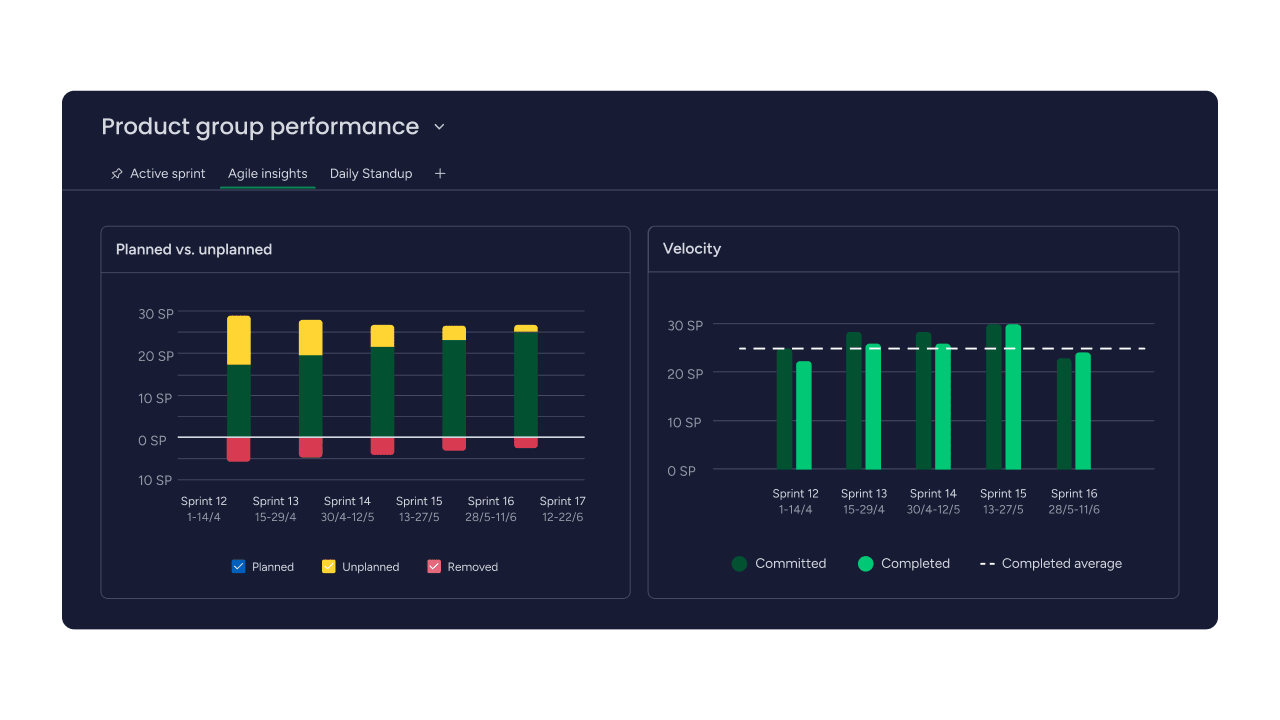
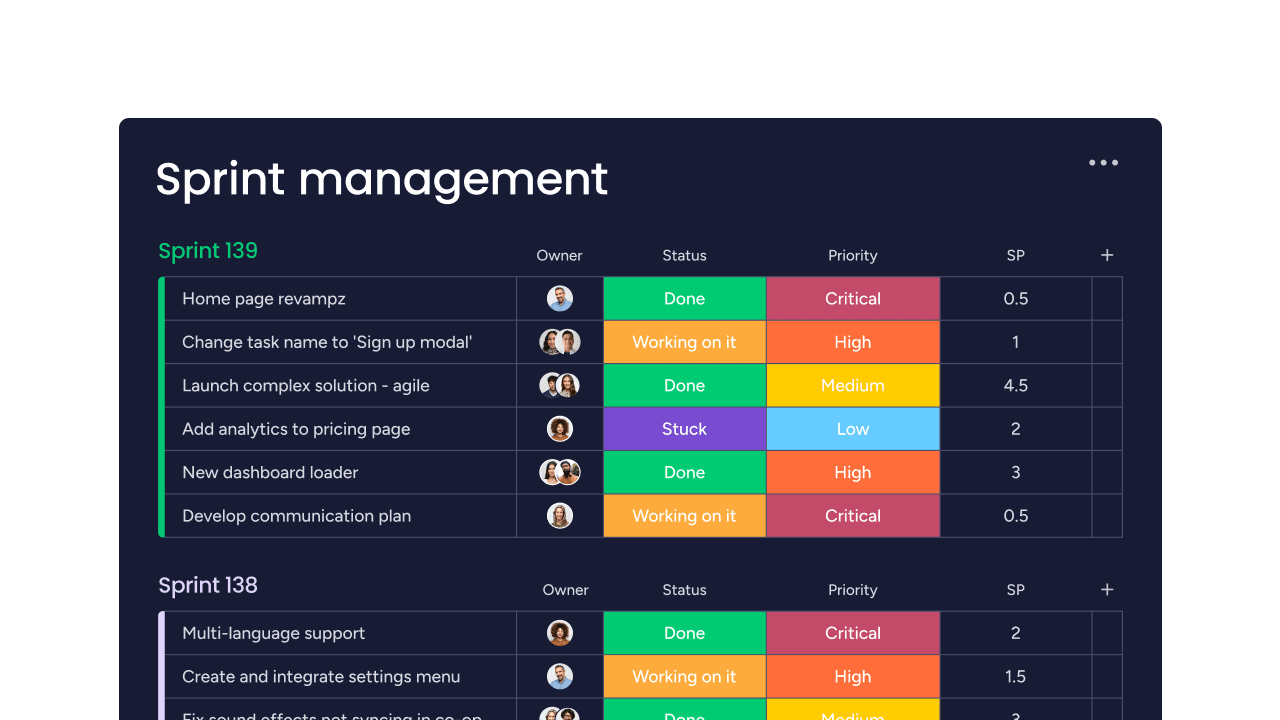
The strongest business development plans are not static decks. They work like operating systems, with ownership, milestones, dashboards, and a review cadence that forces teams to revisit assumptions before the market changes underneath them. Quarterly reviews matter here because they keep the plan tied to measurable goals instead of vague ambition, especially in a market where AI is changing how fast teams can model demand and shift priorities.
A useful working structure is simple:
- Name the owner for each target segment, partner motion, or expansion bet.
- Set milestones for pipeline, product readiness, enablement, and launch timing.
- Define the metrics that prove the work is moving, such as ARR contribution, deal velocity, adoption, or partner-sourced pipeline.
- Review the assumptions every quarter so the plan stays current when customer behavior changes.
monday.com’s own scale shows why the discipline matters
monday.com describes its system as bringing people, workflows, and AI agents together in one flexible environment. At this size, every new segment, feature, and partner motion competes for attention, and the company’s recent results show how much execution depends on choosing the right bets.
In the first quarter of 2025, monday.com reported revenue of $282.3 million, up 30% year over year, alongside record GAAP and non-GAAP operating income and record adjusted free cash flow. In the fourth quarter of 2025, revenue reached $333.9 million, up 25% year over year. The company also said customers with more than $50,000 in ARR represented 41% of total ARR, net dollar retention for customers with more than $100,000 in ARR was 116%, and paid customers with more than 10 users reached 65,016 as of March 31, 2025, up from 60,566 at the end of 2024.
Product, partnerships, and AI all need the same roadmap
The July 2025 launch of monday magic, monday vibe, and monday sidekick makes the product side of this even clearer. monday.com said those AI capabilities were built in response to real customer needs. Product innovation should come from documented demand, not a speculative feature wish list.
The same logic applies to partnerships. monday.com expanded its partner ecosystem with AI and service specializations. The company said those specializations can create an additional revenue stream, clearer differentiation, better visibility, and potential lead prioritization.
Customer proof matters as much as internal planning
The Melbourne-based not-for-profit Better Health Network used monday.com to complete a tri-party merger of three organizations into one. monday.com says it manages 15 workflows on the platform and achieved 2x ROI.
This article was produced by Prism’s automated news system from verified source data, official records, and press releases, then run through automated quality and moderation checks before publishing. The system is built and supervised by the people who set the standards it runs under. Read our full AI policy.
Did this article answer your question?