How monday.com teams use Scrum artifacts to manage agile work
Scrum artifacts matter when they keep work visible. For monday.com teams, a current backlog, sprint plan, and increment cut status-chasing and keep hybrid work aligned.
For product and engineering teams at monday.com, Scrum artifacts keep work visible when requests come in from different functions, priorities shift, and half the team is not in the same room. The point is to keep a shared source of truth current enough that people can ship without chasing updates, not to memorize the jargon.
What the artifacts actually change
The product backlog is the first place confusion gets cleaned up, or left to spread. When it is maintained well, it gives engineers and product managers a clear view of what is waiting, what matters most, and what still needs a decision. When it goes stale, it becomes a parking lot of ideas that no one trusts, which is exactly when teams start relying on side conversations and status pings instead of the plan itself.
The sprint backlog is narrower, and that is the point. It translates broad priorities into a specific chunk of work for a short delivery window, making ownership and sequencing easier to understand. For teams juggling product work, engineering tasks, and input from sales or other business groups, that narrower view prevents the common failure mode where everyone knows the goal but no one knows who is doing what by when.
The increment is the part that proves the work was not just discussed. It is the concrete output of the sprint, the result that can be reviewed, tested, or released. It shows what has actually been completed and what still needs attention before the next cycle starts.
Why visibility matters more than ceremony
A lot of agile frustration comes from treating the artifacts as rituals rather than tools. Engineers feel that most sharply when a backlog exists in name only, with old items, vague tickets, and no real order. Product managers feel it when planning turns into a substitute for judgment, as if the artifact itself can decide scope, sequence, or tradeoffs.
The better use of Scrum artifacts is simpler: they make the work legible. That means less time spent asking who owns which item, what changed since yesterday, or why a task moved. It also means less reliance on memory, which is a weak system when teams are remote, hybrid, or spread across functions. A current artifact lowers the number of people who need to be pulled into every clarification.
That is especially relevant in monday.com’s own operating environment, where teams often need to keep product, engineering, and go-to-market work aligned without forcing everyone into the same process.
How monday.com boards can carry the process
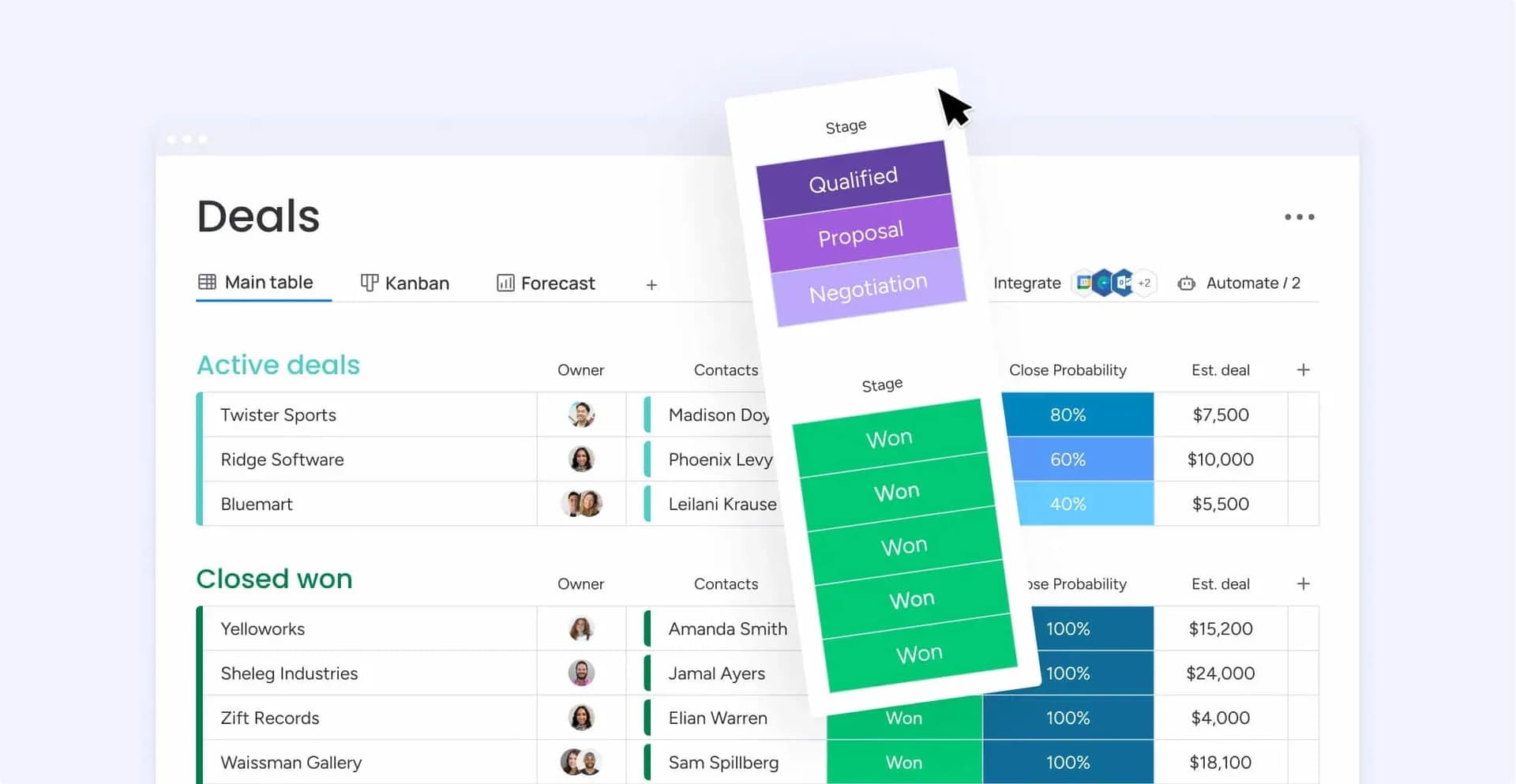
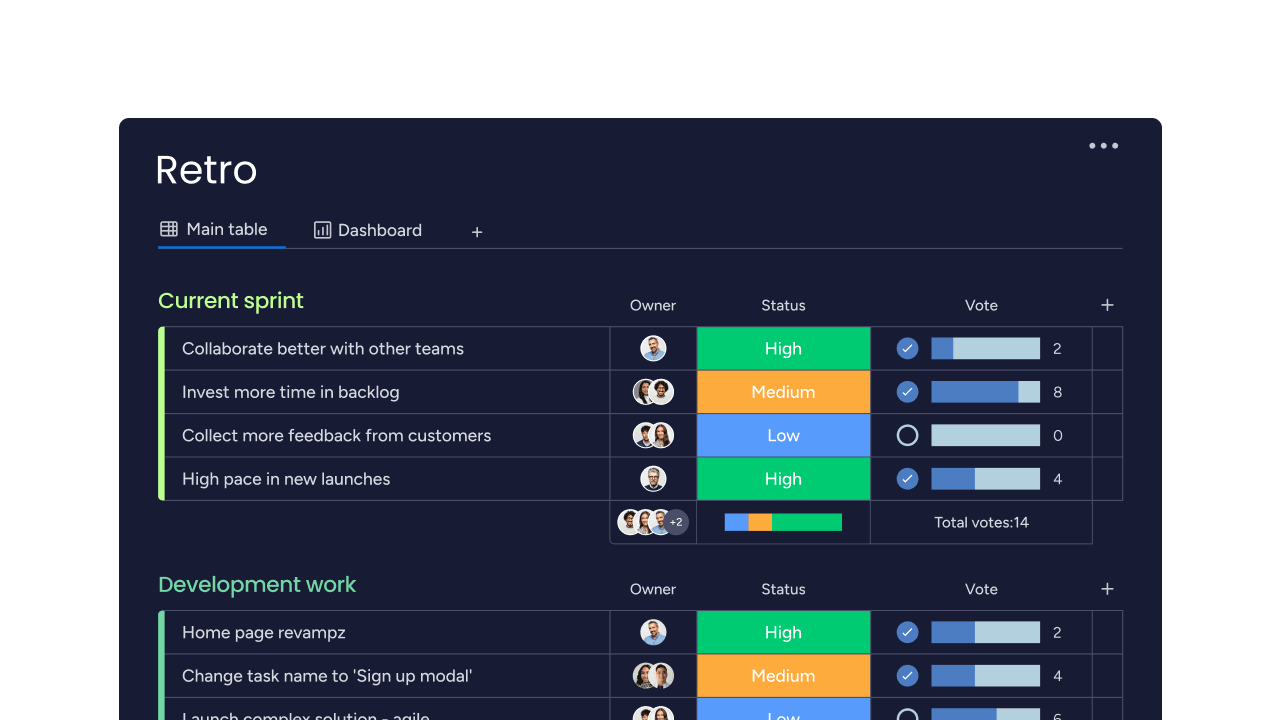
monday.com is built around work management, so the practical connection to Scrum is straightforward. Boards can hold the backlog, sprint backlog, and the tracked work that feeds the increment. Status columns can show where items stand, automations can move work forward or flag what needs attention, and dashboards can surface progress without requiring a meeting to decode it.
That flexibility matters because not every team runs Scrum the same way. Some need a lighter board that keeps the backlog sorted and visible. Others need more structure around sprint planning, release tracking, or dependency management. The platform can support a Scrum process for both without flattening the differences between teams.
For hybrid teams, that matters in day-to-day execution. A board that everyone can see becomes the place where decisions are recorded, not just discussed. If a priority changes, the board should show it. If a task is blocked, the board should show that too. The more the team relies on the board as the place where the truth lives, the less time it spends reconstructing what happened in chat threads or meeting notes.
What product managers need to protect
Scrum artifacts work best when they support delivery instead of replacing leadership. That is the reminder product managers need most. A backlog can organize options, but it cannot decide whether a feature is worth building, whether a request belongs in the next sprint, or whether a tradeoff is acceptable. Those calls still belong to the team that understands the product and the market.
A well-run backlog helps expose those choices instead of hiding them. It shows what has been deferred, what is being pursued now, and what remains open.
Product managers also benefit when the artifacts make decisions easier to revisit. If a sprint gets disrupted, the team can see what was changed and why. If a release slips, the increment and sprint backlog help show whether the issue was scope, sequencing, or capacity.
What engineers need to watch for
For engineers, the warning sign is usually stale structure. A backlog with outdated items, an unreviewed sprint plan, or tickets that nobody owns stops being useful and starts becoming overhead. Once that happens, the team spends more time maintaining the process than moving the code.
The fix is not abandoning the artifacts. It is keeping them alive. That means regularly pruning the backlog, updating the sprint backlog when priorities shift, and treating the increment as a real checkpoint instead of a box to tick. When the artifacts are current, they reduce confusion about priorities and make it easier to understand the order of work. When they are not, they create exactly the ambiguity they were supposed to remove.
Unclear priorities, too many tasks, and weak visibility into progress do not disappear on their own. The backlog, sprint backlog, and increment surface them early enough to make a better decision.
This article was produced by Prism’s automated news system from verified source data, official records, and press releases, then run through automated quality and moderation checks before publishing. The system is built and supervised by the people who set the standards it runs under. Read our full AI policy.
Did this article answer your question?