IBM study warns AI scale without control raises enterprise risk
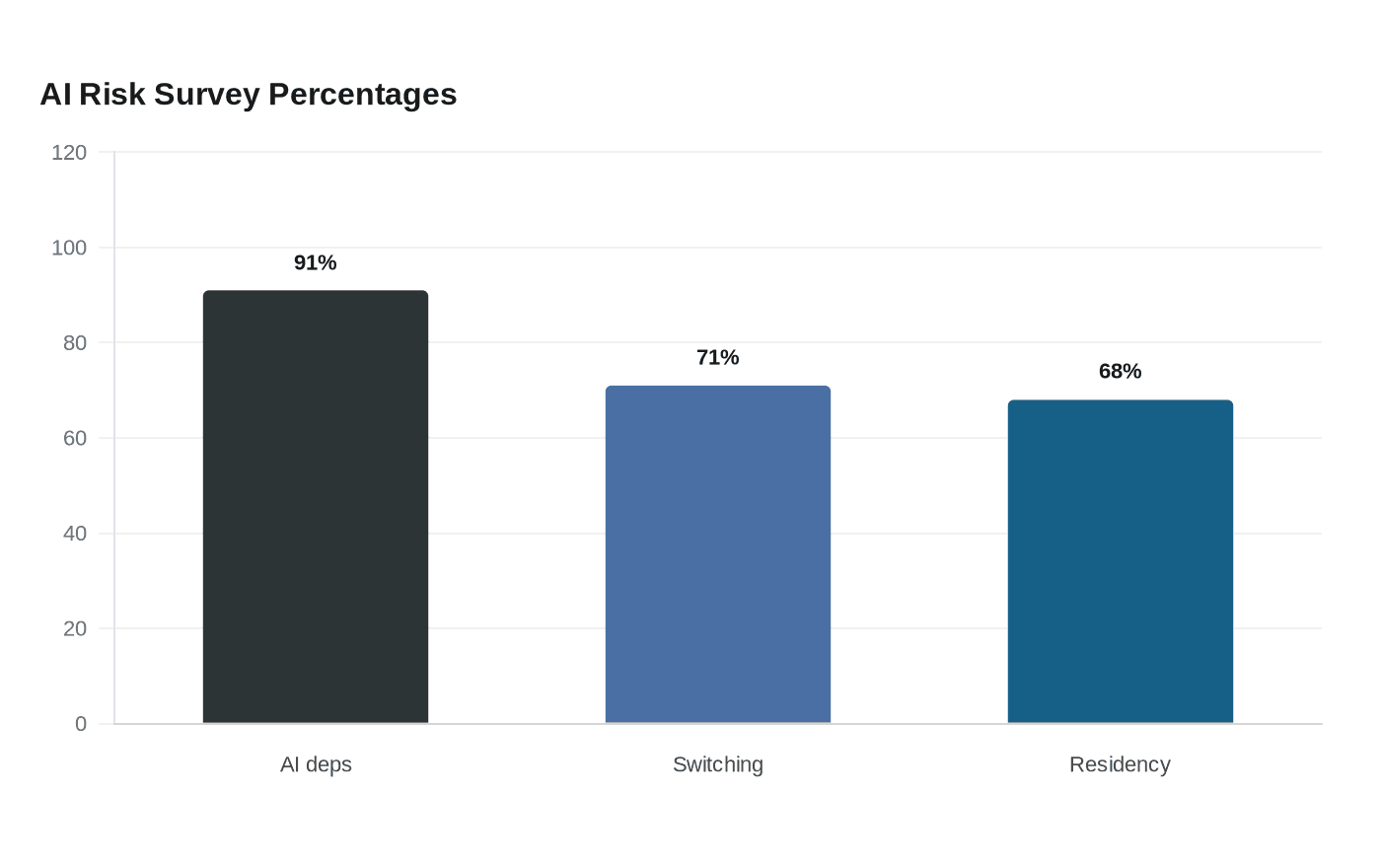
IBM found 91% of executives do not fully understand their AI dependencies, even as 71% say switching vendors or models would be difficult.
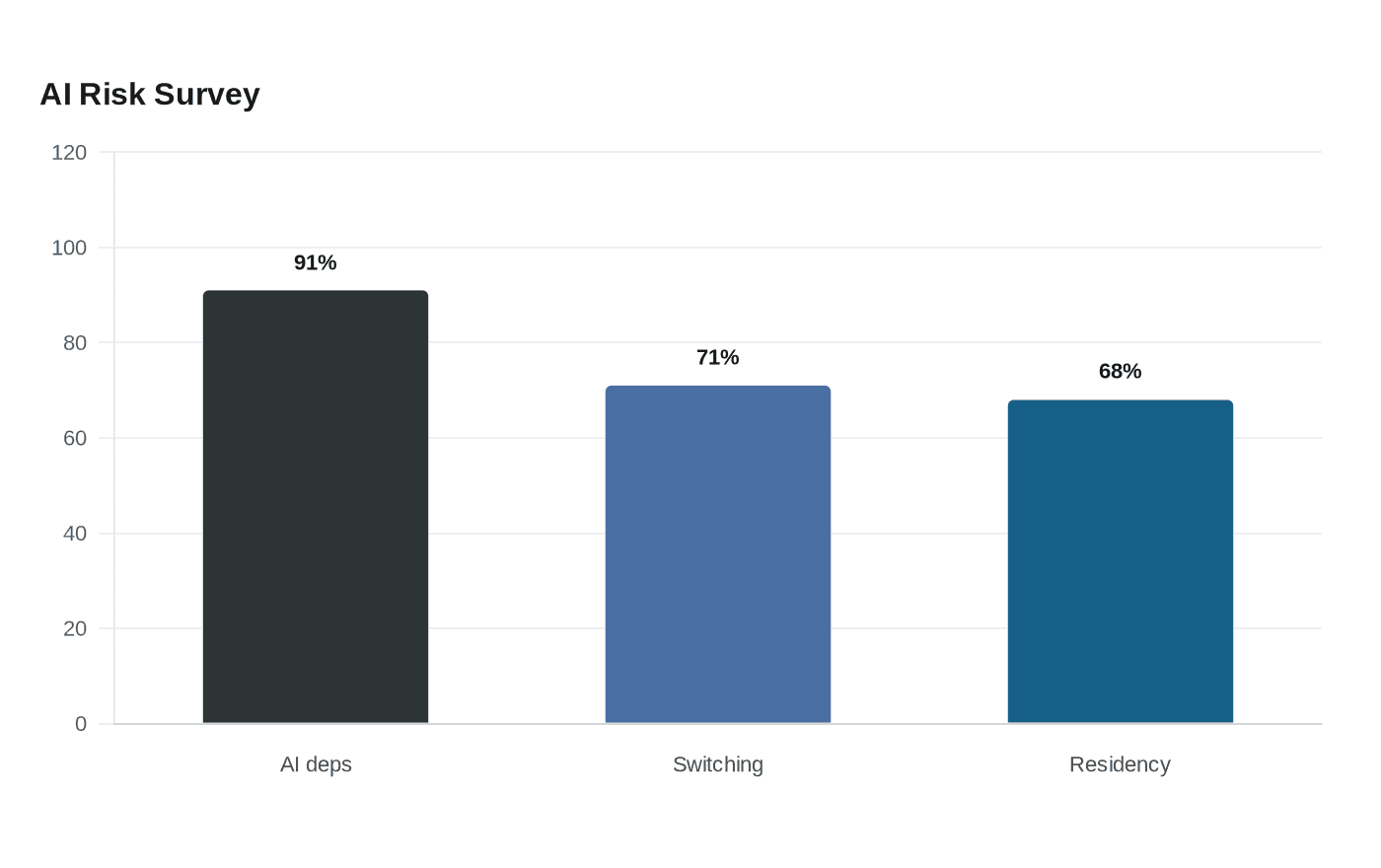
AI is moving faster than the controls around it, and IBM’s latest survey suggests that gap is already a business risk. Among 1,000 senior executives across 16 countries and 17 industries, IBM found that 91% do not fully understand their AI dependencies across vendors, models and infrastructure, while 71% said switching their primary AI vendor or model would be difficult.
The numbers sharpen a problem that matters directly to monday.com’s product, engineering and sales teams: AI is no longer just about shipping a new feature, but about knowing exactly what that feature depends on, where data moves and how hard it would be to unwind later. IBM said 68% of executives said meeting data residency and sovereignty requirements across geographies is challenging, and organizations with the most advanced AI control capabilities protect more than half of their operating profit from AI-driven disruptions.

For monday.com, the timing cuts both ways. The company said in March that more than 250,000 customers worldwide use its platform, and in May it relaunched as an AI Work Platform, saying every product runs on the same AI layer. It also said its AI platform gateway can provide access to multiple large language models, a setup that offers flexibility but also raises the exact questions IBM’s study put on the table: which model is being used, who can change it, and how visible is the dependency chain when customers ask?
That is where the issue becomes a management problem, not a vague governance story. monday.com’s own trust and support materials say AI governance settings are available to admins, most AI permissions settings are enterprise-only, and its AI follows the same data residency policies as the customer’s monday.com account, with data processed and stored within the designated region. Those controls are a selling point, but enterprise buyers will still want proof that the protections work in practice, especially when procurement, legal and security teams start asking about regional compliance, permissions and vendor flexibility.
For product managers, IBM’s findings argue for treating dependencies as a feature requirement, not an afterthought. For engineers, they point toward modular systems and better observability. For sales, they are a reminder that sovereignty, residency and model control can become deal terms, not just technical questions. The next phase of AI competition is not only about who ships fastest; it is about who can scale without losing control of the stack.
This article was produced by Prism’s automated news system from verified source data, official records, and press releases, then run through automated quality and moderation checks before publishing. The system is built and supervised by the people who set the standards it runs under. Read our full AI policy.
Did this article answer your question?