Meta tracks employee keystrokes, raising privacy concerns for AI training
Meta is wiring employee computers to log clicks and keystrokes for AI training, a move that blurs the line between agent-building and workplace surveillance.

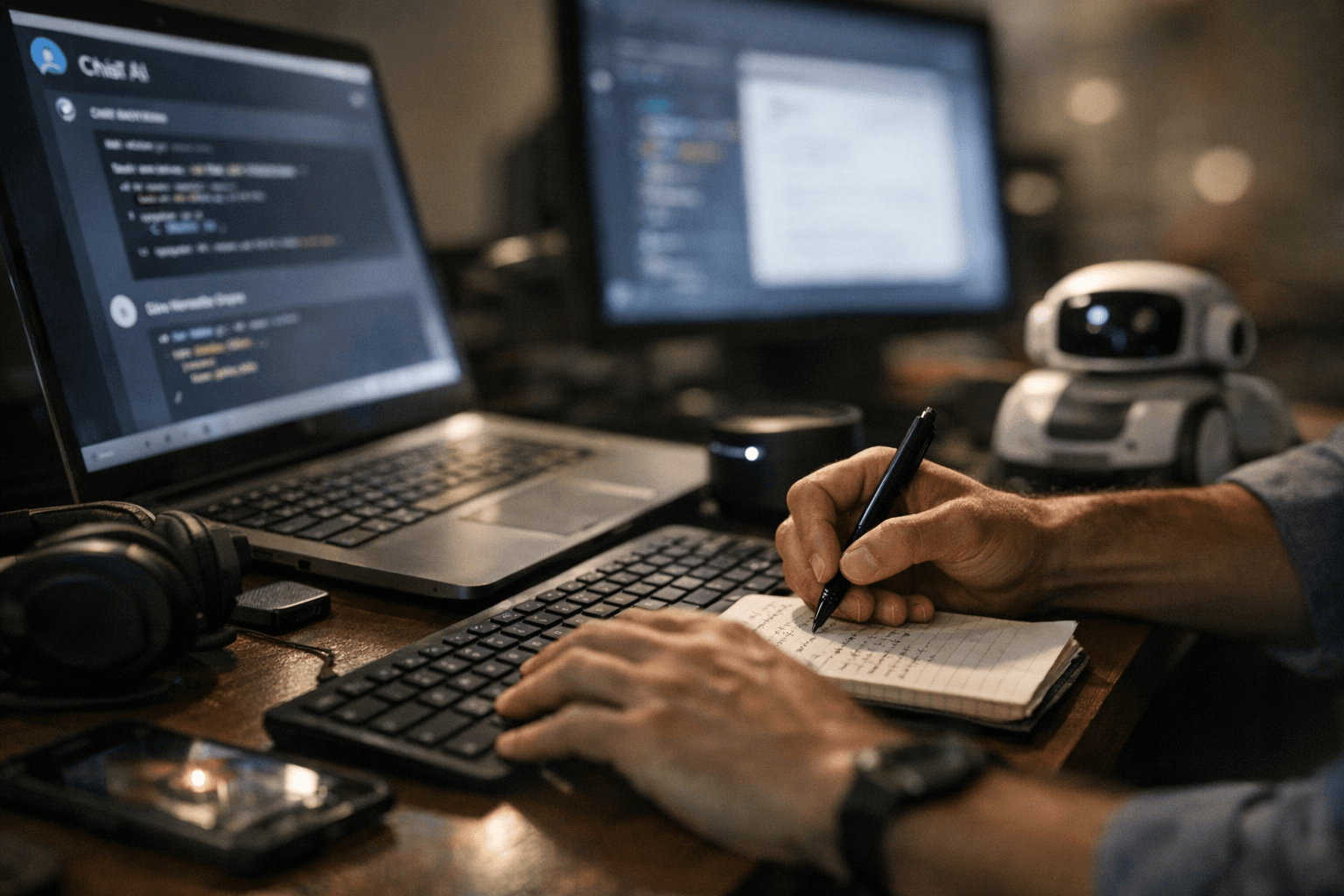
Meta’s push to train AI agents has crossed into a far more sensitive zone: employee computers. The company has begun installing tracking software on U.S.-based workers’ devices to capture mouse movements, clicks, keystrokes and occasional screen snapshots, all in the name of improving AI systems that can do work tasks on their own.
Inside Meta, the effort is tied to a tool called the Model Capability Initiative, or MCI. The stated goal is to help models learn how people actually use computers, including routine actions such as navigating menus, filling out forms, using dropdowns and relying on keyboard shortcuts. Meta has said the data will not be used for performance reviews or performance assessments, but that reassurance is unlikely to erase the basic friction here: the same software that could teach an agent to do useful work also gives a company a much sharper view of how employees work.
That tension is especially relevant for monday.com, which moved in the opposite direction on trust. On March 11, 2026, the company said it had built infrastructure that allows AI agents to sign up, authenticate and operate directly inside the monday.com platform. Its AI trust materials also say it does not use user input or output to train machine-learning models, a stance that matters when customers are asking where the line is between productivity gains and data extraction.

The scope of Meta’s logging appears broad. Later reporting said the tool could capture activity across hundreds of websites and apps, including Google, LinkedIn and Wikipedia. The employee reaction was immediate and blunt, with workers reported as angry and asking how to opt out, while some accounts said there was no opt-out on company-issued devices. That is the kind of detail that will stick with engineers and product managers at monday.com, because adoption of AI agents depends on whether people believe the tools are there to help them, not watch them.
The bigger issue is that AI is no longer just a product roadmap question. It is a governance question. A 2024 U.S. Government Accountability Office report warned that digital surveillance can create distrust, lower morale, deter unionizing and still fail to measure productivity accurately. Pew Research Center found in 2023 that Americans held mixed views about employer use of AI to monitor and evaluate workers. Meta may be chasing better training data, but the broader market is learning that the way companies collect it will shape whether employees and customers ever trust the agents that come out the other side.
Know something we missed? Have a correction or additional information?
Submit a Tip