Microsoft offers first voluntary buyouts, signaling broader tech workforce shifts
Microsoft’s first buyout offer shows how AI is pushing tech firms to flatten management, tighten pay and ask teams to do more with less.

Microsoft’s first voluntary buyout program is more than a headcount move. It is a signal that even one of tech’s biggest employers is rewiring the social contract of office life, using AI-era cost pressure, sharper performance standards and leaner management layers to reshape who stays, who leaves and how work gets measured.
The offer was opened to some U.S. employees at the senior director level and below whose age plus years of employment add up to 70 or more. Roughly 7% of U.S. employees were eligible. At the same time, Microsoft said it was changing annual rewards by separating stock from cash bonuses and simplifying the manager review process, a shift that gives leaders more flexibility to reward, retain or push out workers as the company balances growth with heavier capital demands.
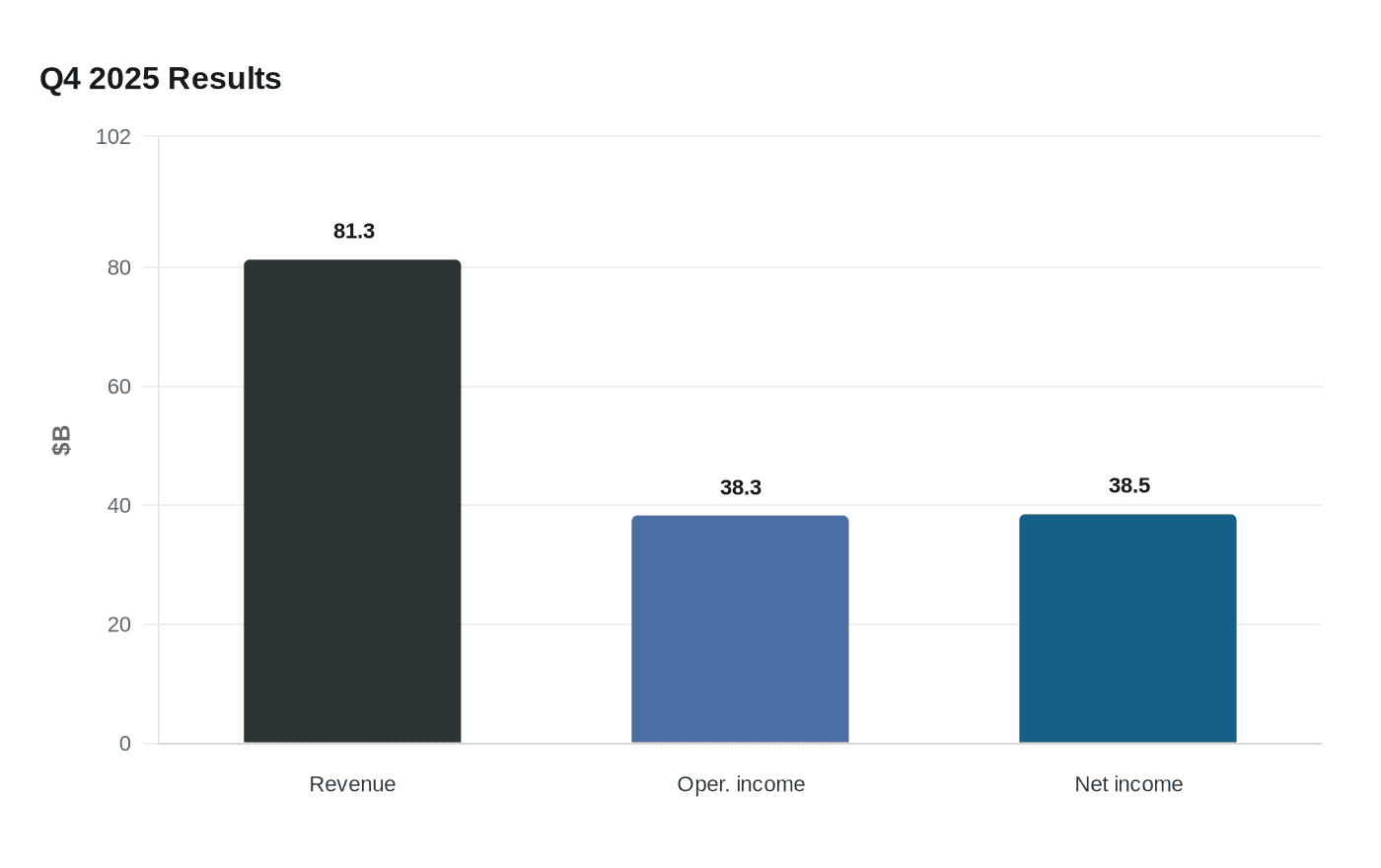
That tension is easy to see in Microsoft’s numbers. For the quarter ended December 31, 2025, the company reported revenue of $81.3 billion, operating income of $38.3 billion and net income of $38.5 billion. It is spending aggressively on data centers to meet generative AI demand, while peers such as Alphabet and Amazon are making similar tradeoffs between investment and discipline. In other words, these are not cutbacks from weakness. They are workforce decisions made in the middle of strong profits.
Microsoft has been moving in this direction for years. In 2024, it made security a mandatory part of bi-annual reviews for all employees, and for senior executives close to Satya Nadella, one-third of the individual-performance bonus measure was tied to cybersecurity reviews. The company said it had dedicated the equivalent of 34,000 full-time engineers to its Secure Future Initiative. Nadella later published a companywide message titled Recommitting to our why, what, and how, and in March 2026 Microsoft said Rajesh Jha would transition into retirement effective July 1, another sign that leadership turnover is part of the reset.
For monday.com, the message is hard to miss. The company has spent the past year branding itself as an AI-first work platform, with its AI Vision built around AI Blocks, Product Power-ups and the Digital Workforce. By February 9, 2026, monday.com said revenue rose 25% year over year to $333.9 million in the fourth quarter, full-year revenue grew 27%, non-GAAP operating margin reached 14%, and customers with more than $50,000 in ARR accounted for 41% of total ARR. It also said it had more than 250,000 customers worldwide.
That makes Microsoft’s buyout and reward overhaul relevant far beyond Redmond. As the biggest cloud vendors reorganize around AI economics, the same market that rewards product velocity is also demanding tighter labor models, fewer layers and clearer performance signals. For monday.com employees, this is what the next phase of tech employment looks like: fewer promises of perpetual expansion, more pressure to prove efficiency inside every role.
Know something we missed? Have a correction or additional information?
Submit a Tip