Microsoft says rigid org charts block AI-driven business impact
Microsoft’s Katy George says AI will stall unless companies redesign decision rights and team structure, a warning that cuts straight through monday.com’s own AI pitch.
Rigid org charts are no longer just a management relic, Katy George argued in Microsoft’s WorkLab podcast. They may now be a direct drag on AI-driven business impact, because the companies that get value from AI will be the ones built around skills, adaptability and constant reinvention instead of fixed reporting lines.
George, Microsoft’s corporate vice president of workforce transformation, said redesigning with AI starts with understanding how work actually gets done. That matters because Microsoft says many enterprise AI projects never move beyond pilot purgatory, where polished demos fail to scale into everyday operations. In Microsoft’s framing, the next generation of successful companies will be human-led and agent-operated, with teams assembled around the work at hand rather than the org chart above it.
The point is not abstract for monday.com. The company said on May 6 that it had rebuilt its platform around people and agents and was now an AI Work Platform. It said any team member, even without a technical background, can configure AI agents that draw on live data across departments and workflows while staying inside existing permissions, security and governance. monday.com also said those agents can draft campaigns, qualify leads, close support tickets, onboard new hires and process purchase requests, a sign that the company is trying to move AI deeper into day-to-day execution, not just surface-level productivity.
That is exactly where Microsoft says the real work begins. Its Frontier Firms example shows why mapping handoffs matters: Ramp traced financial-process steps, then used agents to match receipts and double-check approvals. Microsoft says Ramp now processes five million receipts a month, saving 30,000 hours and closing books at record speed. The lesson for monday.com employees is clear. AI value depends on who can make decisions, how fast teams can shift across functions and whether managers are willing to expose the bottlenecks that slow work down.

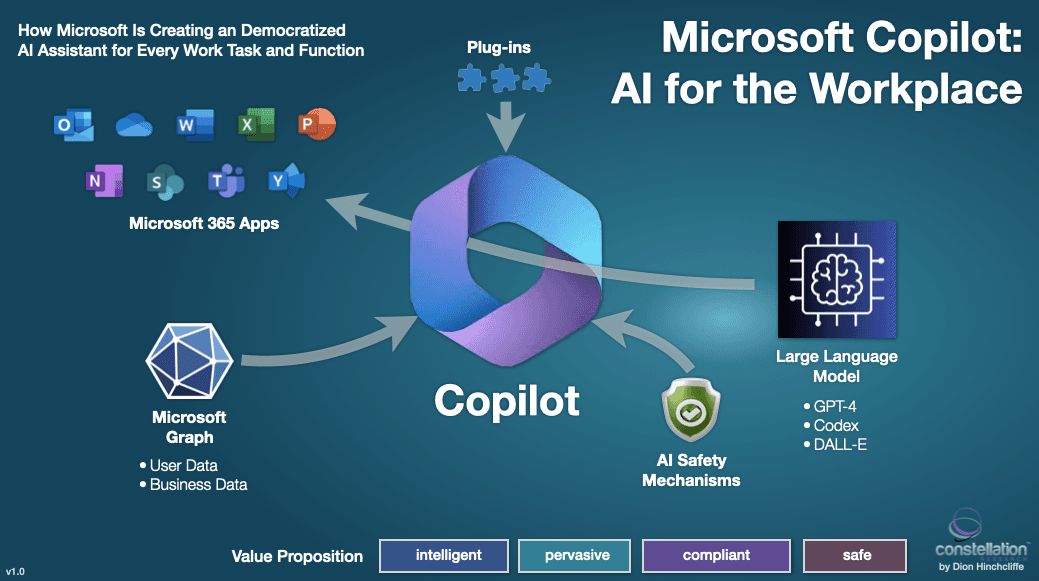
monday.com has been pushing that same message for more than a year. In July 2025, it introduced monday magic, monday vibe and monday sidekick as part of a move from work management to work execution. By May 2026, it said the platform had expanded that vision further, with 250,000 customers and one-click connectors to Anthropic’s Claude, Microsoft 365 Copilot and OpenAI’s ChatGPT. The company also said enterprise AI access has broadened by 50%, but only 25% of companies have moved 40% or more of experiments into production, leaving a wide gap between experimentation and actual business change.
For monday.com, that gap is the real warning inside George’s argument. If AI is going to matter inside the company and across its customer base, the problem is no longer just which tools are available. It is whether managers are willing to redesign how teams work, across silos and across levels, before the old hierarchy turns into an AI liability.
Know something we missed? Have a correction or additional information?
Submit a Tip