monday.com bets growth on customer adoption and partner scale
monday.com is treating customer success and partners as core infrastructure. The bet is that deeper adoption, not just feature shipping, will decide how far growth goes.
At monday.com, growth now depends on more than shipping features. The company is signaling that customer success and partner scale are what turn a flexible work platform into durable revenue, and that shift matters for everyone from engineers building product surfaces to sales teams carrying the next expansion deal.
Growth now runs through adoption
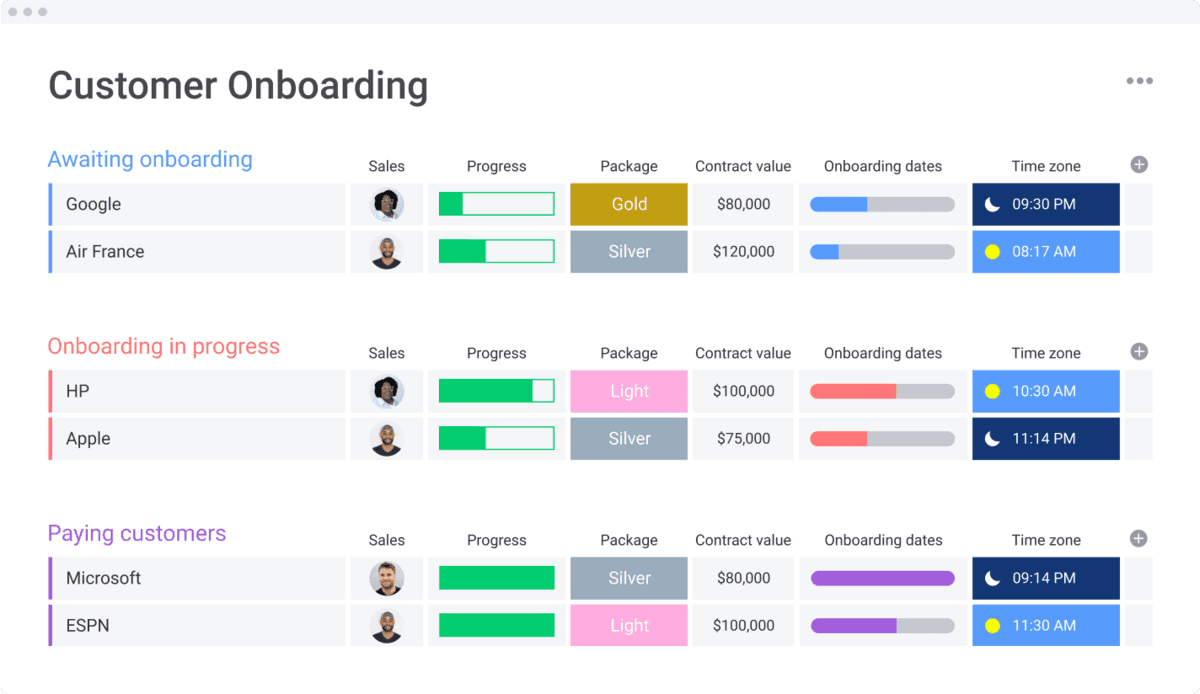
The clearest change in monday.com’s playbook is that scale is being framed as a relationship problem as much as a product problem. One customer success role describes the team as the trusted advisor for building relationships, driving product adoption, and empowering teams to reach their goals. That wording is telling: the job is not just to answer tickets or smooth over friction, but to make sure customers actually embed monday.com into everyday workflows.
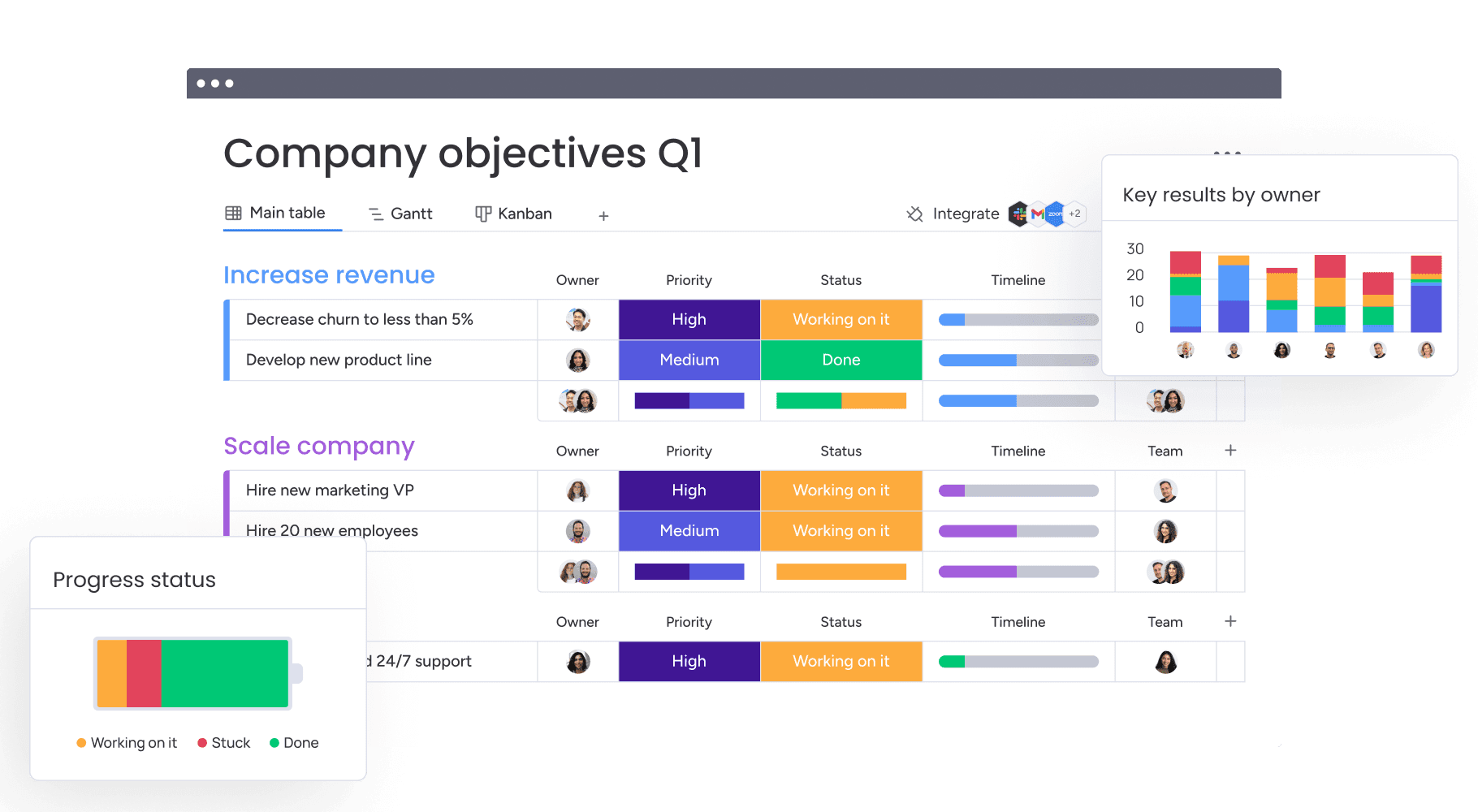
That distinction matters because monday.com says more than 250,000 customers worldwide now use the platform. In a business this large, value does not come from software sitting in an account login. It comes from customers consistently using boards, automations, and newer AI features across teams, so the platform becomes part of how work gets done rather than a tool people occasionally open.
For product managers and engineers, that creates a different definition of “done.” A feature launch is only the first mile; adoption, onboarding, and visible time-to-value are part of the real product experience. For sales teams, it means the handoff does not end at closed-won. The account has to keep maturing if monday.com wants land-and-expand growth to keep compounding.
The company’s investor relations messaging reinforces that point. monday.com says it is an AI work platform that brings people, workflows, and AI agents together on one flexible platform. That framing suggests the company sees product breadth and customer behavior as inseparable: the platform can do more, but the business only benefits when customers adopt more of what it can do.
The metrics show why retention matters so much
The numbers behind monday.com’s recent performance explain why customer success has become strategic. In full-year 2024 results, the company reported fourth-quarter revenue of $268.0 million, up 32% year over year, and a net dollar retention rate of 112%. That retention figure is especially important in a usage-driven SaaS business, because it shows existing customers are expanding spend even after the initial sale.
By 2025, the scale story had moved further upmarket. monday.com reported fourth-quarter revenue of $333.9 million, up 25% year over year, and said customers with more than $50,000 in annual recurring revenue represented 41% of total ARR. The company also reported record net adds of customers above $100,000 in ARR. Those figures point to a business that is increasingly dependent on larger, more complex accounts that require deeper onboarding, stronger support, and more sophisticated internal coordination.
That is where customer success stops being a back-office function. If larger accounts are now a bigger part of ARR, then renewals, expansion, and adoption are directly tied to operating performance. The healthier the usage, the stronger the expansion math. The weaker the usage, the faster the growth engine can stall.
Partners are becoming part of the operating system
The partner side of monday.com’s strategy shows the same logic at work. The company says its ecosystem evolved as the platform matured and customer needs became more complex, especially as it moved upmarket. In earlier hyper-growth years, the partner motion was more centered on selling licenses. Now it includes a Service Partners Program for onboarding, training, and customized workflows, along with an App Marketplace Partners Program for partners building and monetizing apps.
That shift matters because it changes what the channel is responsible for. Partners are no longer just a distribution layer. They are part of the implementation, enablement, and extension model that helps customers translate monday.com’s flexibility into actual business outcomes. In other words, the ecosystem is helping fill the gap between what the product can technically do and what customers are ready to pay for.
The Scale Partner Manager role captures that priority bluntly. monday.com wants to recruit and onboard new partners at scale, manage relationships across regions, build scalable enablement programs, and drive partner activation so the pipeline keeps feeding future growth. It also calls for data-driven execution, pipeline health, and the ability to work across global markets and time zones. For sales professionals, that means the ecosystem is a repeatable route to market, not a side project.
The company has also tried to make that channel more structured. Its partner-program guide says partners get dedicated strategic support from a channel partner manager, go-to-market support, and customer success collaboration. Certifications are free, and the Monday Partner Hub academy includes training in sales strategies, marketing, implementation, and product deep dives. That is a sign monday.com is investing in process, not just headcount.
What the partner ecosystem is really for
monday.com’s partner story is not just about resellers. It is about building a system that can support growth without breaking the customer experience. The company says the partner ecosystem has grown significantly since 2017, and its partner summit in London drew more than 600 professionals from over 50 countries. That kind of turnout suggests the ecosystem has become a serious operational layer, not a peripheral marketing event.
A 2023 Forrester Consulting TEI study, based on interviews with six representatives from four partners, found that monday.com partnerships helped partners grow revenue and support business goals. That result matters because it shows the company is not only asking partners to sell harder. It is trying to make the channel economically useful enough that partners want to build around it.
There is also a product strategy angle here. monday.com says its 2025 specialization work around AI and services is meant to strengthen the platform’s position as a multi-product system and create more value for joint customers. That is a clue for internal teams: partner readiness is no longer separate from product strategy. The ecosystem now helps determine how quickly new capabilities reach customers, how well they are adopted, and how much expansion revenue the platform can unlock.
What this means inside monday.com
For people inside monday.com, the message is straightforward: shipping software is necessary, but not sufficient. The company is behaving like a scale-stage SaaS business that understands growth now depends on coordinated execution across product, customer success, partners, and sales. Each handoff matters more because the customer base is larger, the deals are bigger, and the use cases are more complex.
For engineers, that means the product has to be easier to adopt, easier to extend, and easier for partners to implement. For product managers, the roadmap has to account for not just features, but activation, usability, and partner readiness. For sales teams, the ecosystem is becoming part of the pipeline architecture, especially as larger ARR accounts carry more weight in the company’s mix.
That is the real story behind monday.com’s latest growth bet. The platform may still be defined by flexibility, but the company is betting that flexibility only turns into durable expansion when customers use it deeply and partners help carry it into the market at scale.
This article was produced by Prism’s automated news system from verified source data, official records, and press releases, then run through automated quality and moderation checks before publishing. The system is built and supervised by the people who set the standards it runs under. Read our full AI policy.
Know something we missed? Have a correction or additional information?
Submit a Tip