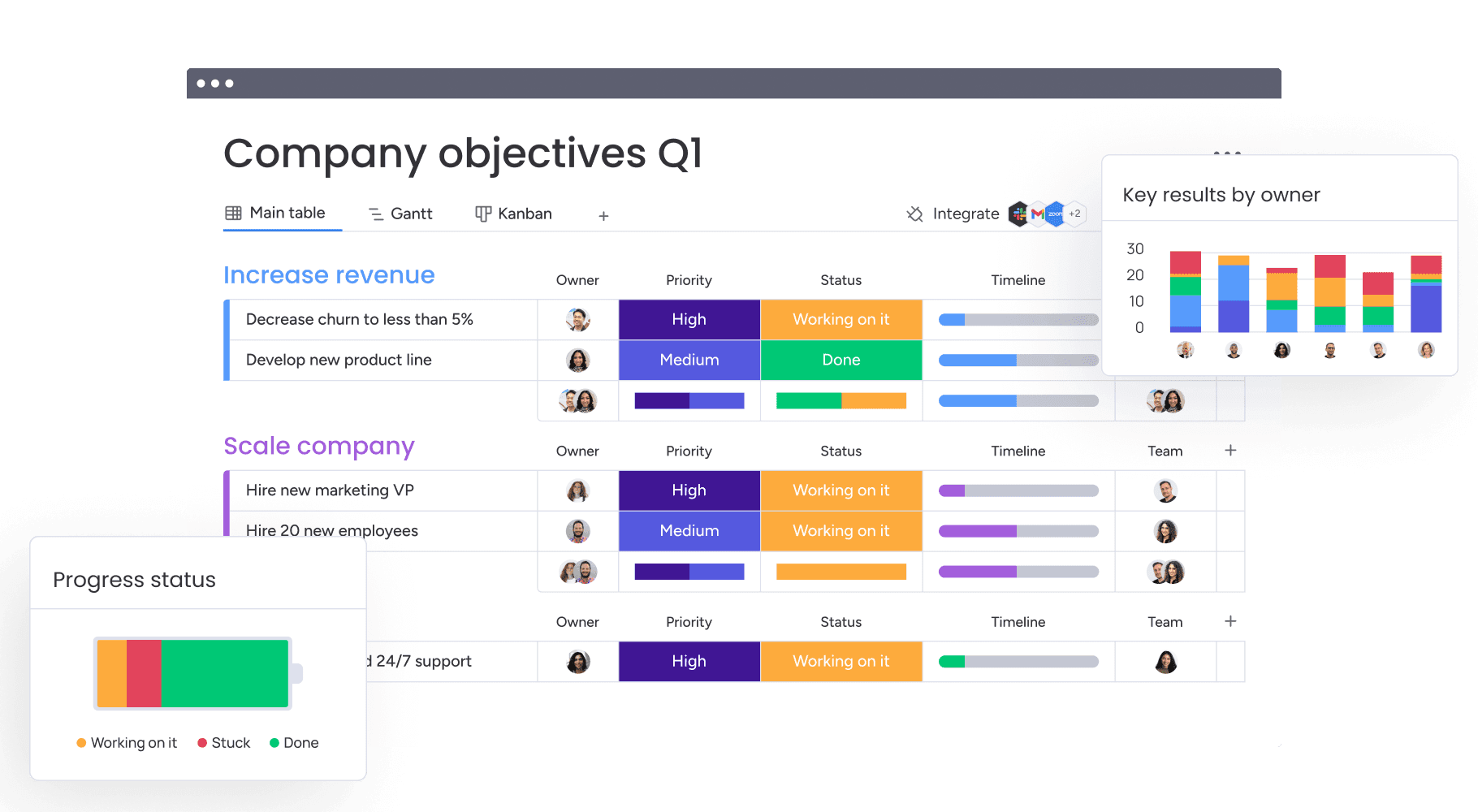
monday.com cuts design-system release cycle from months to a week
monday.com compressed a five-month design-system release into one week by turning breaking-change work into a disciplined AI workflow, not a free-for-all.
How a five-month release became a one-week workflow
monday.com turned one of the messiest parts of platform work into a one-week process: a major design-system release that used to take five months end-to-end. The shift was not magic and it was not a loose “AI helped” story. It came from encoding the breaking-change lifecycle into a Claude Code skill, then forcing the work through a repeatable sequence instead of letting it sprawl across ad hoc edits.

That sequence matters because it shows where the time went before. A major version release had the familiar grind of choosing a change, opening a pull request, discovering what was missing, fixing it, and repeating the loop until the release could finally ship. monday engineering’s breakthrough was to turn that repetitive loop into a structured workflow called `/vibe-breaking-change`, so the team could move through the release systematically instead of treating each incompatibility as a one-off rescue mission.
The release was described in a May 6, 2026 post, and the earlier cycle it replaced was explicitly called a five-month process. That is the operational headline here: a major version for a shared design system went from a project that could dominate a quarter to a project that fit inside a week.
Why this mattered so much inside monday.com
This was not a small internal utility with limited blast radius. Vibe, monday.com’s design system, sits underneath hundreds of microfrontends across multiple products, and it also serves external consumers as an open-source library. That raises the stakes in a way every platform team recognizes immediately: if the release process is sloppy, the damage is not just broken code, it is broken trust.
monday’s own developer docs describe Vibe as its React UI library for app development, while the public Vibe UI Kit page describes it as an open-source design system built around reusable components, tokens, and templates. In other words, this is the company’s shared visual and interaction layer, the thing product teams depend on to stay consistent while still moving quickly. When that layer is slow to evolve, every downstream team pays the price.
The earlier March 16, 2026 engineering post makes the underlying tension even clearer. It said Vibe’s v3 release involved accessibility fixes, typography and Heading API drift, and other long-standing inconsistencies. It also pointed out a structural problem familiar to anyone who has worked on shared libraries: semantic versioning discipline means minor and patch releases are supposed to be safe, so breaking changes tend to accumulate until a major release becomes unavoidable. That is how “we’ll clean it up later” turns into a five-month bottleneck.
What the team automated, and what stayed human
The lesson for product, design, and engineering leaders is not that AI can replace release engineering judgment. It is that AI is most useful when it absorbs the repetitive, mechanically checkable parts of the job and leaves humans to make the calls that actually require taste, sequencing, and trust.
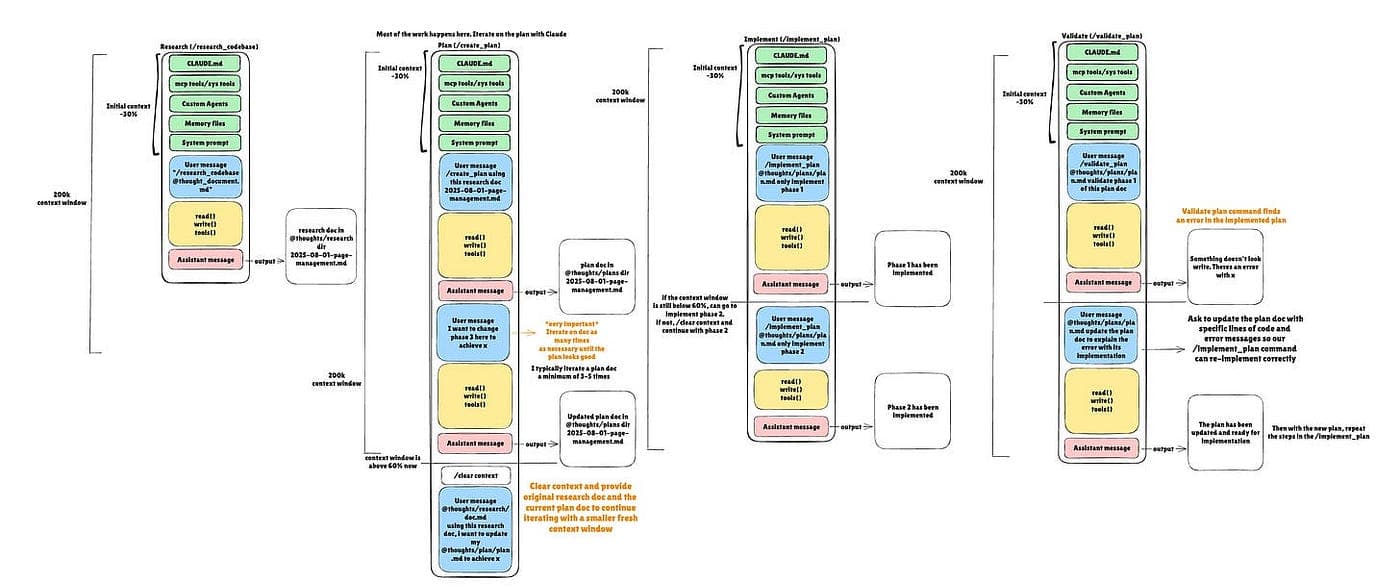
The monday team’s release workflow was structured as a chain of concrete steps:
- define
- implement
- update usages
- generate codemod
- update docs
- validate
- ship
That sequence is the important part. It shows that the release did not succeed because someone prompted a model once and hoped for the best. It succeeded because the team gave the AI a process skeleton and used that skeleton to keep the work moving in the right order. In practical terms, the model helped accelerate the unglamorous middle of the release: finding affected usages, producing codemods, and turning the change into something other teams could actually adopt.
The human controls still mattered at every stage. The process still needed definition, validation, and shipping judgment. Docs still had to be updated, and usage changes still had to be reviewed in context. That balance is what makes this story useful to workplace teams that are trying to sort real automation from AI theater. The win came from combining machine speed with process discipline, not from removing human oversight.
The blueprint other monday teams can copy
For anyone at monday.com working on shared components, SDKs, or platform infrastructure, this release offers a playbook that goes beyond the design system itself. The first takeaway is that the system must be machine-readable if AI is going to help with it. monday engineering has already argued that a design system contains components, variants, props, tokens, accessibility behavior, and usage patterns, and that it has to be structured enough for a machine to understand. That is the precondition for fast releases: the system has to be encoded well enough for software to reason about it.
The second takeaway is that major releases should be treated as trust exercises, not just code exercises. If a team waits until breaking changes pile up, the eventual release becomes risky, slow, and politically painful because every product team downstream is waiting on it. monday’s one-week release suggests a different model: reduce the size of the trust gap by making the path from change to adoption explicit, repeatable, and boring.
The third takeaway is cultural as much as technical. monday.com sells a work OS built around structured workflows, measurable outcomes, and clear handoffs. This internal release process mirrors that promise in a way employees inside the company should notice. It says the organization is at its strongest when it uses the same discipline on its own platform work that it asks customers to use in theirs.
For engineers, the immediate lesson is to look for the tasks that repeat across every breaking change and codify them before asking AI to help. For product managers, the lesson is to treat docs, validation, and rollout paths as part of the product, not afterthoughts. For design and platform leaders, the lesson is that a release cycle only gets faster when the system is designed to be understood by humans and machines at the same time.
That is what makes the monday.com story more useful than a generic AI success case. It shows a company taking one of the hardest problems in shared-software work, breaking it into a disciplined sequence, and using AI to make that sequence faster without making it sloppier. In a company built around workflows, that is the kind of operational result that matters.
This article was produced by Prism’s automated news system from verified source data, official records, and press releases, then run through automated quality and moderation checks before publishing. The system is built and supervised by the people who set the standards it runs under. Read our full AI policy.
Know something we missed? Have a correction or additional information?
Submit a Tip