Monday.com defines work management as cross-functional operating system for teams
Monday.com is reframing work management as the system that turns strategy into execution, with one shared view of ownership, handoffs, and outcomes.
Work management is not just a prettier to-do list
Monday.com’s definition matters because it strips away the buzzword fog. Work management, in this framing, is the system that organizes, coordinates, and optimizes work across an entire organization so daily activity actually connects to strategic goals. That is a bigger claim than task tracking. It says the real job is not just recording work, but making sure the work is visible, connected, and moving in the right order.
That distinction is where a lot of software products win or lose. Task trackers can tell you what somebody is doing. A work management system has to show how a product launch, a customer rollout, or a sales campaign moves across teams, where dependencies sit, and what is blocking the next step. Monday.com’s guide makes the case that the category only becomes useful when it replaces fragmented, siloed operations with a coordinated system that can scale across departments.
From scattered updates to one operating view
The clearest way to understand the promise is to picture a product launch. Marketing is finalizing messaging, product is locking scope, design is finishing assets, sales needs enablement materials, and customer success wants to know what is changing before customers do. In a siloed setup, each team runs its own spreadsheet, channel, or status meeting. That creates a familiar problem: the work exists, but the company cannot see it in one place.
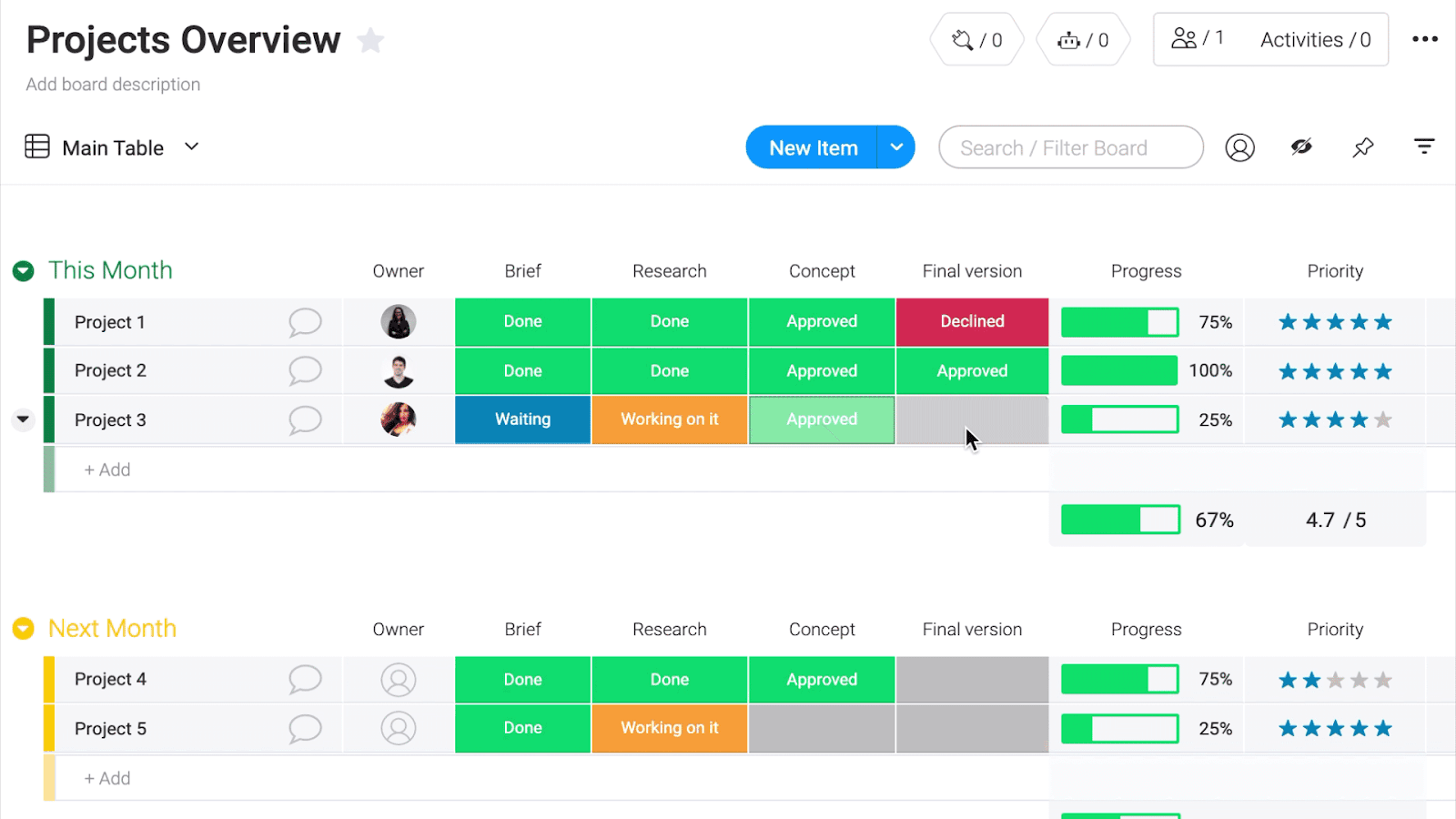
Monday.com’s model says the platform should make that launch legible end to end. Shared visibility shows what is happening. Ownership makes clear who is responsible. Handoffs tell teams what should happen next. Instead of waiting for manual status updates, managers and individual contributors can see progress in real time and spot risks before they become delays. That is the difference between a tool that stores tasks and a system that actually manages execution.
For a platform company, that is not just a product philosophy. It is the operating logic behind the category. If the company claims to help teams align daily work with business outcomes, then the product has to make interdependence obvious. A launch only works when the platform makes it easy to track who owns the asset review, which tasks depend on legal approval, and how the timeline shifts when one piece slips.
Why dashboards and automation do the heavy lifting
The guide puts dashboards and automation at the center for a reason. Dashboards turn work from a private list into a shared operating picture. Automation reduces the amount of manual coordination that still bogs down many teams, especially when people are spending too much time asking for updates instead of doing the work.
That matters because work management is supposed to remove friction, not create a new layer of admin. If the platform is worth adopting, teams should not have to chase people for the same information across meetings, email, and chat. The system should surface the status of tasks, the blockers that need attention, and the resources being allocated across workstreams. In practical terms, that means fewer interruptions and faster decisions.
For engineers at monday.com, the lesson is almost architectural. The product has to make complexity feel simple without hiding the structure underneath. For product managers, dashboards and automation are only valuable if they help users stay tied to outcomes like reduced bottlenecks, tighter alignment, and faster decision-making. For sales teams, these features help translate the category into customer language: this is not a project tracker, it is the operating layer that keeps cross-functional execution from breaking apart.
The real shift is from reporting work to anticipating it
Monday.com’s guide also points to where the market is heading. The mention of predictive insights and digital workers signals that customers increasingly expect software to help them anticipate problems, not just document them after the fact. That is a meaningful shift. It raises the bar from “Can I see what happened?” to “Can the system tell me what is likely to go wrong next?”
That expectation changes the value proposition for work management software. If a platform can flag a delay before it ripples outward, or surface a bottleneck before a launch misses its deadline, it becomes more than a coordination tool. It becomes part of operational decision-making. That is why the category is expanding beyond simple project tracking: teams want systems that help them respond earlier, not just report later.
For monday.com, that is also where differentiation becomes sharper. The company’s pitch depends on being the place where work is visible, automatable, and measurable in one system. Once you frame the product that way, the bar is not whether teams can log tasks. The bar is whether the platform helps them see the work, understand the dependencies, and keep the company moving toward a goal without losing track of who owns each piece.
What this means for people building and selling the product
Inside monday.com, this definition is useful because it reads like a product spec written in plain English. It tells teams what the category has to do and what it cannot get away with doing. A work management platform should not just collect activity. It should create a shared view of what is happening, who owns it, and what should happen next. That is the basic promise the company has to keep if it wants the category to mean anything in practice.
For engineers, that likely means building systems that support structure, not just surface-level ease of use. The product has to make it easy for users to coordinate across functions without losing the complexity that real work requires. For product managers, the guide is a reminder to measure features against business outcomes, not just usage. Better alignment, fewer bottlenecks, cleaner handoffs, and clearer decision-making are the outcomes that matter.
For sales teams, the message is straightforward. Customers are not buying a prettier project board. They are buying a way to run cross-functional work as an operating system. That language matters when a prospect is trying to connect strategy to execution and needs proof that one platform can reduce fragmentation without forcing every team into the same rigid process.
The category only works if the work becomes legible
The strongest argument in monday.com’s guide is that work management becomes valuable when it makes work visible enough to manage. That sounds simple, but it is hard to do at scale. Most organizations already have plenty of activity. What they lack is a reliable way to connect that activity to outcomes across departments.
That is why the emphasis on shared visibility, automation, dashboards, and real-time status is more than product jargon. It is the operating model. If a company wants to replace siloed execution with coordinated work, the platform has to make the whole chain legible from strategy to task to handoff to result. Anything less is just another place to list things that still do not move together.
For monday.com, that is the real test of the category. Work management is not the label on the box. It is whether the software gives every team the same answer to the same question: what is happening, who owns it, and how does this move the company forward?
Know something we missed? Have a correction or additional information?
Submit a Tip