monday.com demo guide shows AI Work Platform in real workflows
The real monday.com demo test is not polish but proof: can its AI Work Platform handle exceptions, reporting, governance, and cross-team work without losing control?
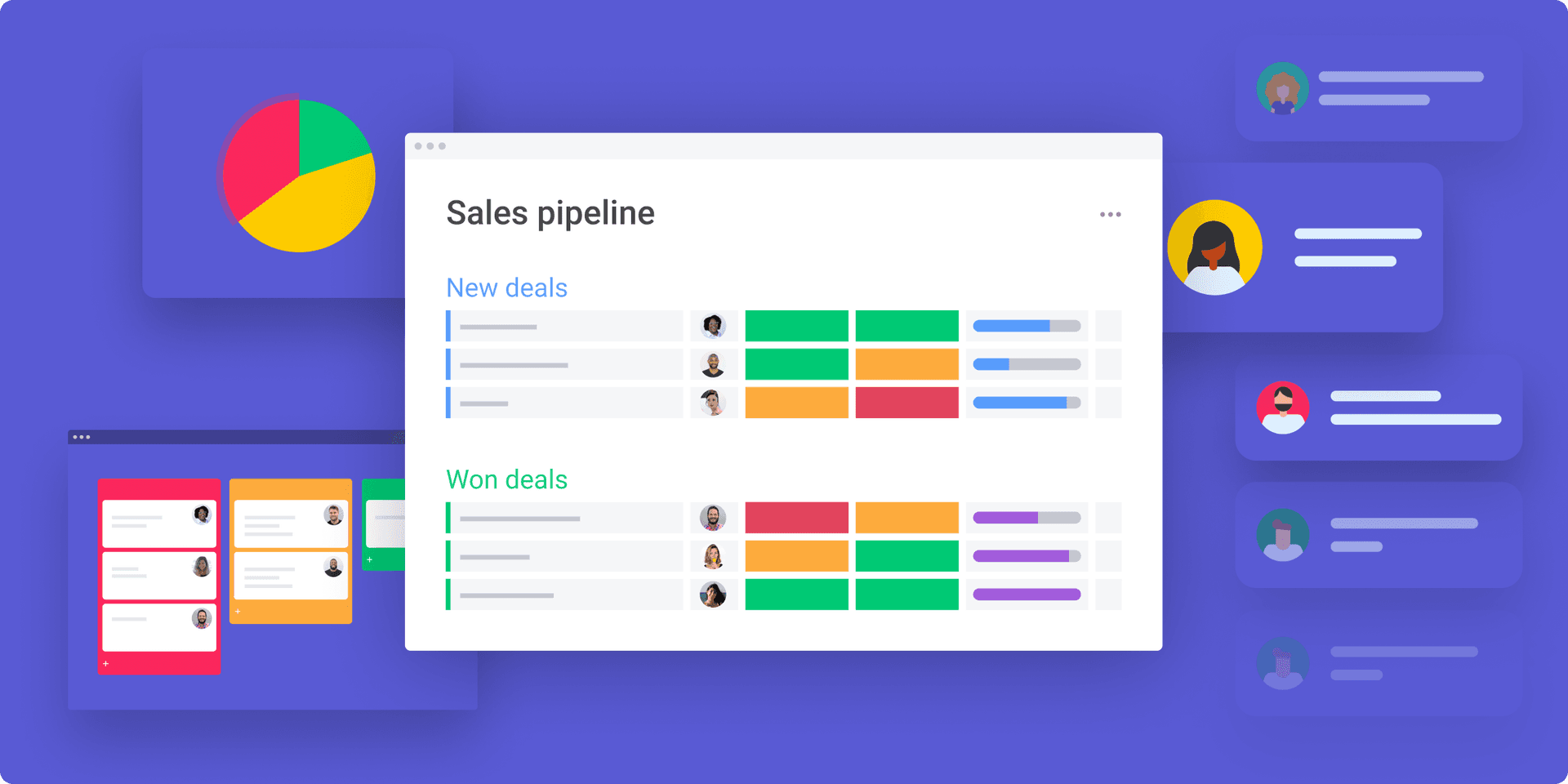
monday.com’s demo now has to prove something bigger than drag-and-drop ease. Buyers are not just watching for a clean board or a neat automation; they are trying to see whether the platform can survive real business pressure, with permissions, reporting, integrations, and cross-team dependencies intact. That is the practical lens that matters for engineers, product managers, and sales teams evaluating a platform that says AI can now execute work, not just assist it.
What a serious demo should show
The strongest monday.com demo is the one that looks like an ordinary workday. Watch for live workflows, dashboards, and AI-driven automation in context, not as isolated features. If the demo stays at the level of surface polish, it will not answer the questions that decide post-purchase success: can the tool handle exceptions, can it support multiple teams at once, and can it report on work without forcing people into side spreadsheets.
The guide’s underlying message is straightforward: pressure-test the product against your real operating model. Ask to see how a request moves from intake to assignment, how ownership changes when work shifts between teams, and how reporting holds together when a plan breaks. Those are the moments that reveal whether monday.com is a flexible system or just a pleasant interface.
The AI Work Platform story is now central
monday.com is no longer positioning itself as only a work management app. On May 6, 2026, the company said it had become an AI Work Platform and called that the biggest change in its history. The shift matters because it changes the demo conversation from “can it organize tasks?” to “can people and AI agents work together across teams and departments?”
That framing became more concrete on March 11, 2026, when monday.com announced infrastructure that lets AI agents sign up, authenticate, and operate directly inside the platform. The company says those agents can organize projects, update workflows, trigger automations, generate reports, and coordinate work across teams. For buyers, that means AI should be shown inside the business rules already in place, not as a detached assistant floating above them.
The practical implication for a demo is simple: ask where AI is allowed to act, what it can touch, and how permissions are enforced. If a platform claims AI can work inside boards, docs, workflows, and apps without technical background, then the evaluation should include the guardrails that make that claim meaningful in a real enterprise.
The building blocks that matter most
monday.com’s platform is built from configurable parts: boards, columns, views, automations, dashboards, and workdocs. Those pieces are the real test of fit, because they determine whether the platform can mirror the way a team already works or force the team to adapt to the software.
That is why the best demos should move beyond a single project board. Buyers should ask to see how those building blocks support project management, resource planning, service operations, campaign execution, and other cross-functional use cases. A workflow that looks strong for one team can fail when it has to absorb handoffs, approvals, and competing priorities from another.
For product managers and engineers, this is the key signal to watch: does the platform stay coherent when structure gets more complicated? The answer depends on whether monday.com can show real dependencies, versioned work, and reporting that still makes sense when the process does not follow a neat line.
What enterprise buyers should pressure-test
The company’s enterprise materials point to the expectations buyers now bring into every evaluation: connected strategy and execution, standardized processes, operational efficiency, AI-powered workflows, resource management, automations, dashboards, real-time risk identification, and Gantt views. Those are not nice-to-have extras. They are the kinds of controls large teams need when work becomes mission-critical.
The demo should therefore surface four proof points:
- Usability across different roles, not just one champion user
- Automation depth, including what happens when work breaks the happy path
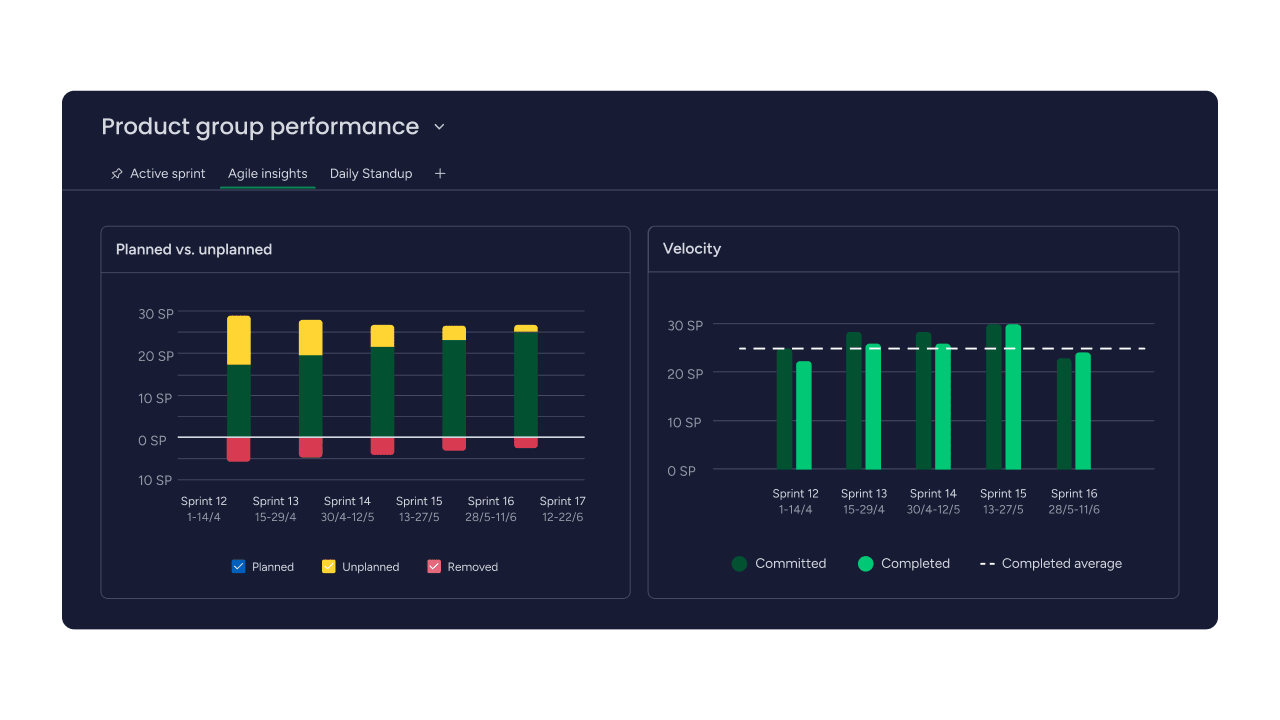
- Reporting quality, especially across teams and business units
- AI support, including permissions and governance
That is what separates a system that helps people manage tasks from one that can run a working process. monday.com’s own enterprise page says it has saved 6,970 hours per month, which reinforces the company’s pitch that efficiency comes from operational discipline, not just faster clicking. For a buyer, the question is whether those gains come from a controlled workflow that can scale, or from a setup that looks efficient only in a demo room.
Why the business backdrop raises the stakes
The product pitch is easier to understand when you look at the company’s scale. monday.com says more than 250,000 customers worldwide use the platform, and its website says it is trusted by over 60% of the Fortune 500. That customer base explains why the demo language has grown more enterprise-oriented: the platform is no longer being judged only by small teams looking for visibility, but by larger organizations standardizing how work gets done.
The financial picture supports that shift. In its February 9, 2026 results, monday.com reported fourth-quarter revenue of $333.9 million and full-year 2025 revenue of $1.232 billion, with annual revenue growth of 27%. It also said customers with more than $50,000 in ARR represented 41% of total ARR, which suggests deeper adoption among larger accounts. The company said monday vibe was the fastest product to surpass $1 million in ARR in its history, another sign that new AI offerings are being pushed quickly into the commercial core of the business.
For employees and investors alike, that matters because the company’s growth story now rests on enterprise durability. If demos convince larger buyers that the platform can govern AI, coordinate teams, and absorb operational complexity, then the product narrative becomes much stronger than task management alone.
The competitive signal inside the Gartner recognition
monday.com says it is the only work management platform named a Leader in three 2025 Gartner Magic Quadrant reports: Marketing Work Management, Collaborative Work Management, and Adaptive Project Management and Reporting. That recognition does not replace a buyer’s own evaluation, but it does explain the level of rigor the company is trying to project.
A platform that claims leadership across three categories has to show consistency under scrutiny. Buyers should expect to see how one workflow connects to another, how AI respects process boundaries, and how reporting remains trustworthy when multiple teams share the same system. The more monday.com leans into AI Work Platform language, the more the demo has to prove that the system can govern execution, not just display it.
For anyone inside monday.com, that is the real lesson of the current demo guide. The company is selling a future in which AI agents operate alongside people, but the winning demo will still come down to familiar fundamentals: structure, control, visibility, and the ability to handle messy work without breaking the system.
This article was produced by Prism’s automated news system from verified source data, official records, and press releases, then run through automated quality and moderation checks before publishing. The system is built and supervised by the people who set the standards it runs under. Read our full AI policy.
Did this article answer your question?