Monday.com employees can build ownership through ESPP, but tax rules matter
A monday.com ESPP can be a simple ownership boost, but the tax clock decides whether the benefit stays a win or turns into a bill.

Why an ESPP matters at monday.com
If monday.com offers an employee stock purchase plan, it can be one of the easiest ways to turn payroll into ownership. For engineers, product managers, and sales professionals already watching MNDY as part of their compensation picture, the appeal is straightforward: you buy shares at a discount and get a stake in a public SaaS company that keeps scaling.
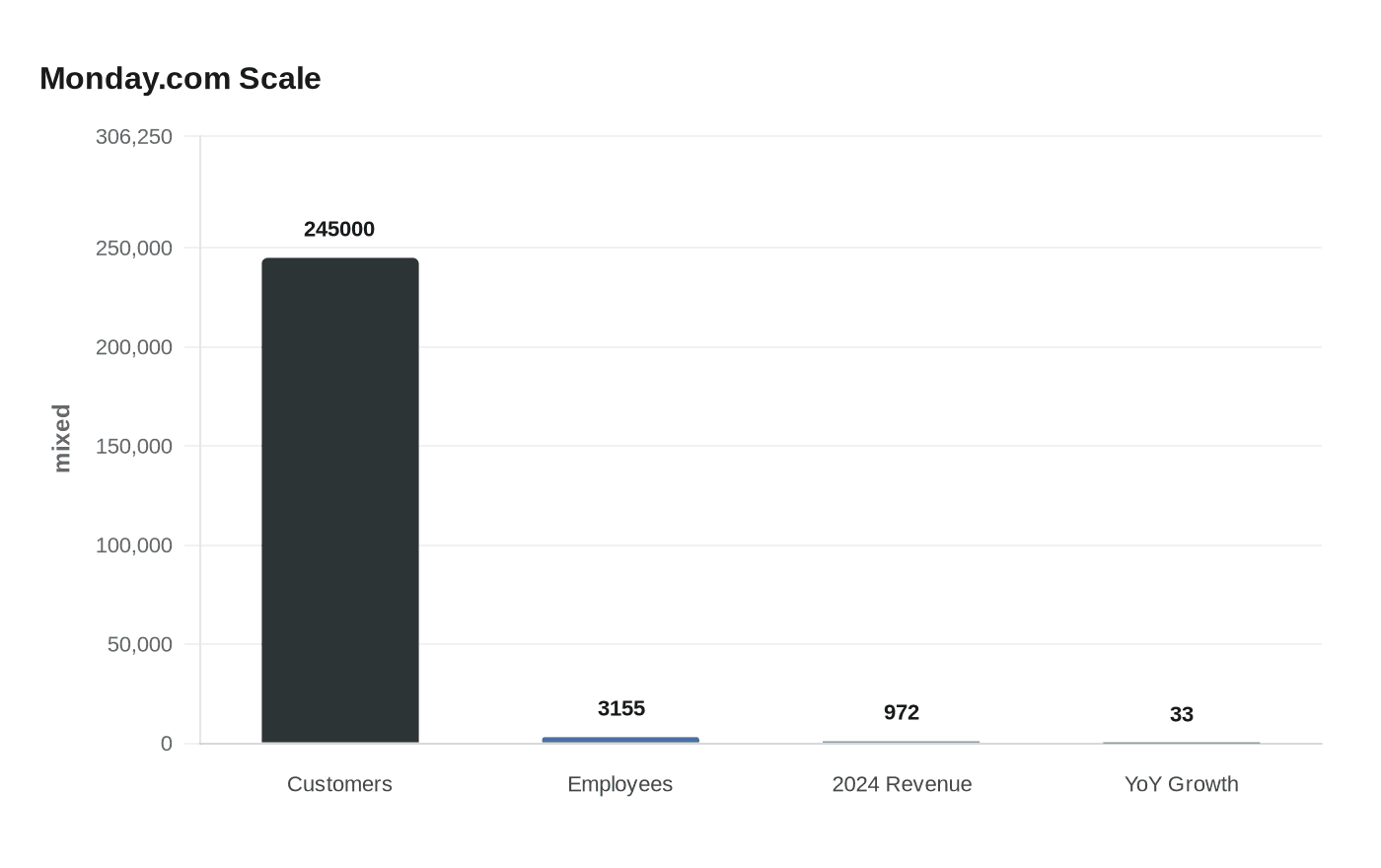
That scale is not abstract. monday.com said it had about 245,000 customers across more than 200 industries and in more than 200 countries and territories. It reported 2024 revenue of $972.0 million, up 33% year over year, and said it surpassed $1 billion in annual recurring revenue in 2024. In a business that large, a discount on company stock is more than a perk, it is a direct way to participate in the upside.
The tax rule that catches people off guard
The part that trips employees up is not the discount, it is the tax treatment. The Internal Revenue Service treats a Section 423 ESPP as a statutory stock option plan, and the basic rule is friendlier than many people expect: when you receive the grant or exercise the option to buy the stock, you generally do not include anything in gross income at that stage.
The tax event usually comes later, when you sell or otherwise dispose of the shares. At that point, compensation income, capital gain, or both can come into play depending on how long you held the stock and what price you sold it for. That means the plan can look simple on payday and become much more complicated at tax time if you do not know which sale you made.
Holding periods decide whether the deal stays good
The most important decision point is the holding period. For a qualifying ESPP disposition, the sale must happen no earlier than the later of one year after the stock is transferred to you or two years after the option grant date. Sell too soon, and the sale becomes disqualifying, which can change how much of the discount gets taxed as ordinary income instead of more favorable capital gain treatment.
That is why the same ESPP can feel like a clean win to one employee and a tax headache to another. If you hold long enough, the discount can become part of a more favorable ownership story. If you sell quickly because you want to lock in the spread, you may still make money, but you can also create an unexpected tax bill that narrows the benefit.
Form 3922 is the paper trail you need
The IRS also says employers issue Form 3922 for stock transferred through a qualified ESPP. That form captures the dates and values needed to calculate the tax result correctly, which is why it matters more than it looks like at first glance.
Keep Form 3922, along with the grant date, purchase date, and brokerage records. Those details help you and your tax preparer figure out whether a sale is qualifying or disqualifying, and whether the income should be treated as compensation, capital gain, or a mix of both. Around tax season, that paperwork is often what separates a clean filing from a frustrating scramble.
Why the monday.com context makes this worth paying attention to
monday.com’s own scale makes employee ownership more tangible than it might be at a smaller private startup. The company said on March 17, 2025 that it filed its 2024 Annual Report on Form 20-F with the SEC, covering audited financial statements for the year ended December 31, 2024. Its investor-relations page later listed 3,155 employees as of December 31, 2025, which is big enough for stock benefits to matter across a wide internal audience.
In 2024, co-CEOs Roy Mann and Eran Zinman, along with CFO Eliran Glazer, framed the year as one of rapid product innovation, stronger operating results, and growth in AI-related offerings. That matters to workers because discounted stock purchases are not just about buying a share of a spreadsheet company, they are about sharing in the growth of a platform that keeps expanding its product surface and customer base.
The broader market context helps too. A 2025 workplace-solutions guide said about 50% of S&P 500 companies offer an ESPP, and technology has the highest prevalence among sectors at 82%. In other words, this is not a fringe benefit. It is a mainstream compensation tool in software, and monday.com employees should treat it with the same care they bring to any other financial decision.
How to use the benefit without creating avoidable tax pain
The best way to approach an ESPP is as part of your personal finance plan, not as an automatic checkbox. That is especially true if you already have equity compensation, because an ESPP can complement RSUs or other stock grants, but only if you know how much concentration risk you are taking and when you plan to sell.
A practical checklist is simple:
- Track the grant date, purchase date, and sale date
- Keep every Form 3922
- Decide in advance whether you want a qualifying disposition or are willing to sell sooner
- Build the tax consequences into your cash plan before you touch the shares
monday.com is headquartered in Tel Aviv and has major offices in New York, Denver, London, Warsaw, Sydney, Melbourne, São Paulo, and Tokyo, so this issue reaches a global workforce even if the IRS rules discussed here apply to qualified U.S. ESPPs under Section 423. For employees who want ownership without market timing, the plan can be one of the easiest wealth-building tools in the company. The real challenge is making sure the discount stays a benefit, not a surprise at tax time.
Know something we missed? Have a correction or additional information?
Submit a Tip