OpenAI’s Codex push signals a new era for Monday.com engineers
Codex is shifting from coding assistant to enterprise workflow layer, and monday.com teams will feel it in code review, testing, and product delivery.
Codex is becoming the new baseline for software teams
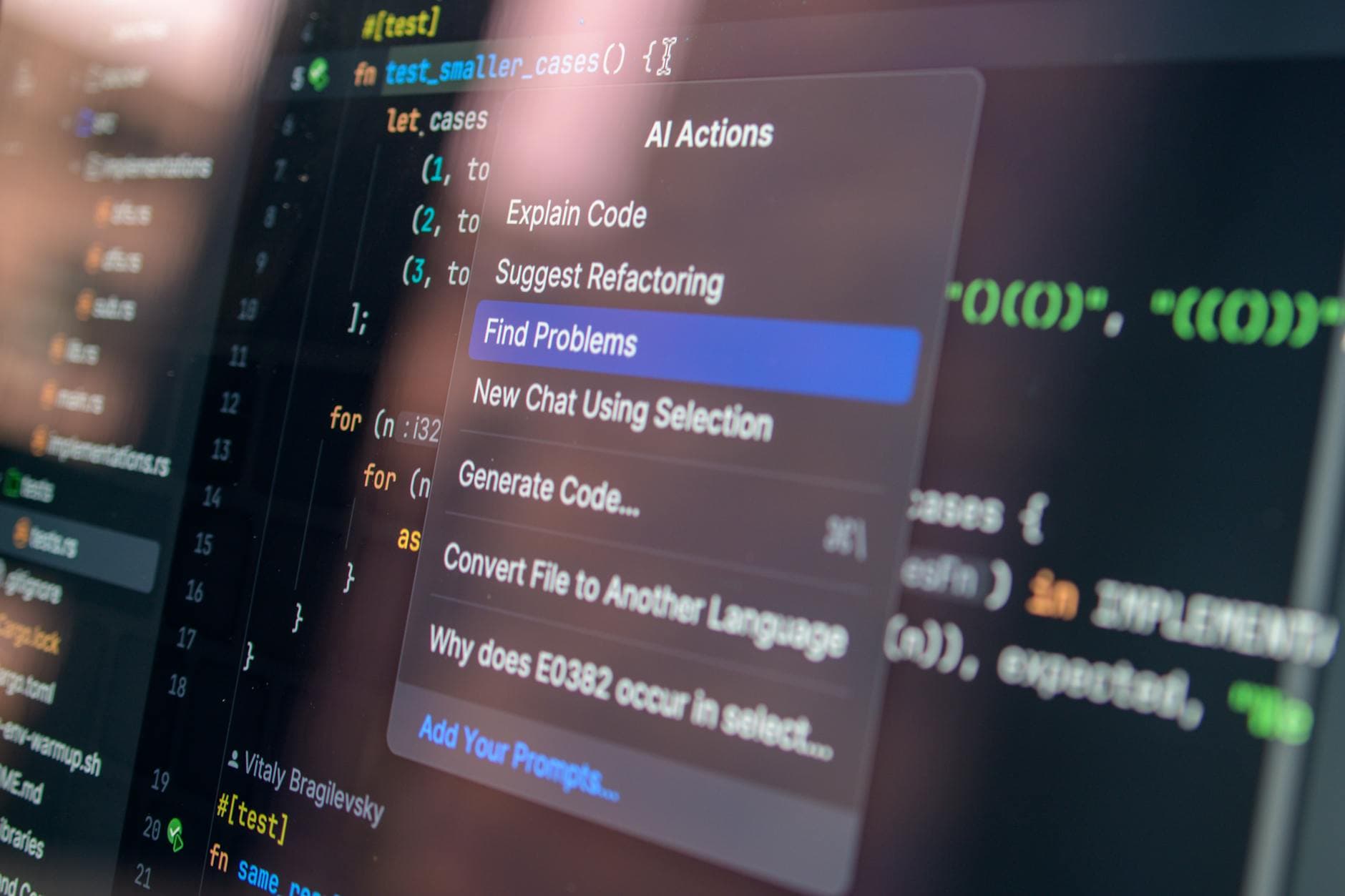
OpenAI is no longer positioning Codex as a clever side tool for developers. With more than 4 million weekly active users, up from more than 3 million just two weeks earlier, it is pushing the product toward something closer to default infrastructure for enterprise engineering. That matters inside monday.com because the competition is no longer about autocomplete speed. It is about which teams can trust AI agents to live inside the daily work of shipping software.
The clearest sign is the company’s new Codex Labs effort, which is designed to bring OpenAI experts directly into customer organizations through workshops and working sessions. The goal is not experimentation for its own sake. It is to help teams identify where Codex fits, wire it into existing workflows, and move from early usage to repeatable deployment. OpenAI is also lining up Accenture, Capgemini, CGI, Cognizant, Infosys, PwC, and Tata Consultancy Services to help customers move from pilots to production-ready use.
The examples OpenAI chose tell you where the category is going. Virgin Atlantic is using Codex to increase test coverage and team velocity. Ramp is using it to accelerate code review. Notion is using it to build new features faster. Cisco is applying it to large interconnected repositories and enterprise engineering workflows. Rakuten is using it in incident response. That is a much broader story than code completion. It is about an AI layer that can participate in testing, review, debugging, planning, and operational response.
What changed in Codex, and why that matters
The product itself has been moving quickly. OpenAI launched Codex in May 2025 as a cloud-based software engineering agent. By October 2025, it had reached general availability with a Slack integration, a Codex SDK, usage dashboards, and workspace management for engineering teams. In April 2026, the Codex app expanded again with computer use, in-app browsing, image generation, memory, plugins, support for pull request review, SSH connections, and multi-file workflows.
That sequence matters because it shows where the market is heading: away from isolated coding help and toward agents that can move between tools, contexts, and stages of delivery. Once a system can review PRs, browse, remember context, and work across files and environments, it starts to look less like a coding assistant and more like a workflow engine. For product and engineering leaders, the question changes from “Should we let people try it?” to “Which parts of the software lifecycle should be agent-assisted by default?”
For monday.com engineers, that means the bar for internal tooling is rising fast. A developer who gets used to Codex helping with reviews, tests, and multi-file changes is not going to be satisfied with a narrow internal bot that only drafts snippets. Product managers will want AI that can summarize discussions, turn customer feedback into structured plans, and keep project context alive across handoffs. Sales teams will increasingly expect faster translation from customer signal to shipped improvement.
The monday.com comparison is the part that should get attention
This is not just a story about OpenAI. It is also a stress test for monday.com’s own identity as a work platform. The company says it serves more than 250,000 customers worldwide, and its investor-relations materials describe it as an AI work platform. That is an important phrase because it puts monday.com in the same broad conversation as the tools now absorbing more of the work around software delivery, not just the work inside the app.
monday.com has already been signaling that it sees AI as a core part of the product roadmap. In its fourth-quarter and full-year 2025 results, the company said monday vibe was the fastest product in its history to surpass $1 million in annual recurring revenue. It also said customers with more than $50,000 in ARR now represent 41% of total ARR. Those are not just sales metrics. They suggest that monday.com’s growth is increasingly tied to enterprise adoption, where workflow automation, governance, and developer productivity matter more than flashy demos.
There is also a useful internal proof point. monday.com engineering said its internal AI Month helped it split a monolith project that would have taken eight years into six months. That is the kind of number that changes internal expectations. If AI can compress a multi-year architecture effort into months, then developers, managers, and executives will all start asking where else it can remove friction.
What monday.com teams need to decide now
The practical challenge is not whether AI belongs in engineering. That question is already settled. The real issue is where agents sit in the workflow, how much autonomy they get, and what kind of quality control protects the codebase when speed goes up. Monday.com teams should be treating that as an operating model question, not a tool-choice question.
A few decisions are likely to matter most:
- Which repositories, services, or workflows can agents touch without extra approval
- What kinds of changes require human review no matter how confident the model seems
- How the company measures output, not just lines of code, but defect rates, cycle time, and rework
- How developers are trained to use AI without losing deep system understanding
- How product managers and sales teams feed customer insight into the same AI-assisted workflow
That is where the OpenAI move hits monday.com directly. If Codex becomes standard at the enterprise level, then the expectation shifts across the software business. Developers will assume AI can handle more of the repetitive and connective work. Product teams will expect faster synthesis. Customers will expect faster turnaround. And a company that sells the operating system for work cannot afford to look slower than the tools its own engineers are using.
The larger signal is simple: agentic workflows are moving from pilot to default, and the companies that build for that reality now will set the pace for the next stage of software work.
This article was produced by Prism’s automated news system from verified source data, official records, and press releases, then run through automated quality and moderation checks before publishing. The system is built and supervised by the people who set the standards it runs under. Read our full AI policy.
Did this article answer your question?