Monday.com employees learn how RSU vesting affects pay and taxes
A monday.com RSU can look like easy upside, but vesting and withholding decide how much hits your paycheck and how much stays tied to MNDY. Israel-based employees may also face a different tax track.
monday.com’s stock closed at $70.92 on June 24, 2026. At a public SaaS company with more than 250,000 customers worldwide, an RSU grant can look like an instant raise, but the money only becomes real as shares vest, taxes are withheld, and your portfolio takes on more MNDY.
How RSUs become pay you can spend
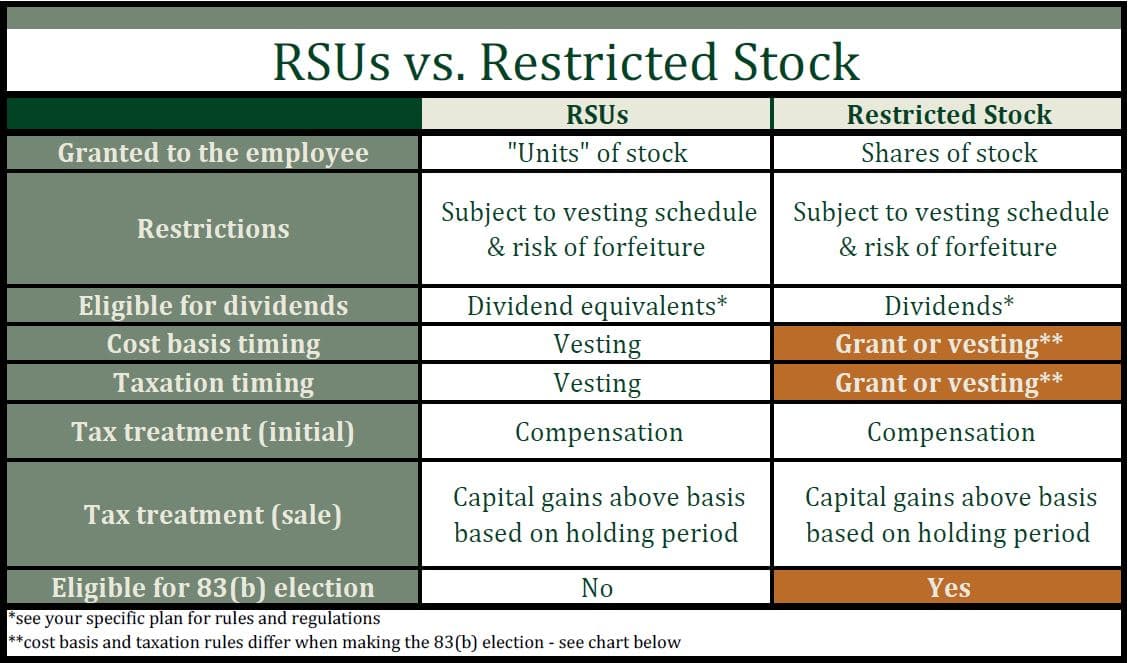
You accept the grant, wait for it to vest, taxes are withheld when the award pays out, and then the shares are yours. Vesting is the point where you no longer risk forfeiting those shares back to the company, and employers usually withhold ordinary income taxes and payroll taxes when the award vests.
That timing matters because vesting is not the same thing as cashing out. On a common schedule, grants can vest 25 percent a year over four years. On many four-year awards, the first year functions like a cliff, which means leaving before that date can leave you with nothing from that grant. If your package includes stock options instead of RSUs, options give you the right, but not the obligation, to buy a security at a fixed price within a set period.
For monday.com employees, the grant is part of cash flow, tax timing, and concentration risk. If the stock rises sharply, the after-tax value can become meaningful. If it falls, the grant is worth less.
Why the same grant can be worth very different amounts
monday.com is Nasdaq-listed under MNDY and headquartered at 6 Yitzhak Sadeh Street in Tel Aviv, so its equity is priced in public view every trading day. That makes the number on your grant statement less important than the value after vesting, withholding, and the market’s next move. As of March 31, 2026, monday.com had 4,547 customers with more than $50,000 in annual recurring revenue, a 110 percent net dollar retention rate, and 3,211 employees.
The company’s size also helps explain why employees can misread an offer or retention package. A larger share count on paper is not automatically a better deal if the new role lowers cash, stretches the vesting timeline, or replaces soon-to-vest shares with a refresh grant that mostly keeps you in place. The same company that pays your salary may already be the largest holding in your personal portfolio.
That is especially true when you compare a move to another employer with a stay-put package. A higher base salary can be a better trade if the equity is slow to vest or heavily concentrated in one stock. A richer RSU grant can still be the smarter answer if you can absorb the tax hit and the concentration risk. The right comparison is what you actually keep after vesting, withholding, and any later sale.
Taxes decide how much reaches your account
When RSUs vest, employers typically withhold ordinary income taxes and payroll taxes, and any later gain or loss is handled when you sell the shares. That is why a vested award can feel smaller than the number on the grant notice. The headline value may be real, but the spendable amount is lower once the tax bill is taken out.
For employees in Israel, the tax path can be different. Under the North American Securities Administrators Association’s 2026 overview of Section 102, Israel’s equity-compensation framework can offer a 25 percent capital gains track if trustee and timing requirements are met. That matters at monday.com because the company is headquartered in Tel Aviv, and local tax treatment can materially change the take-home value of the same award. If you work across borders or move after grant date, the answer is not to assume a U.S. tax result for an Israeli award.
What to check before you compare offers or refresh grants
The most useful habit is to read the grant agreement carefully and separate the parts that look similar but behave very differently. Know whether your plan includes RSUs, options, or both. Know the vesting schedule. Know whether there is a cliff that delays the first payout. Know how much tax the company withholds at vest. If you are holding options, know the exercise price and the period before expiration.
Refresh grants deserve the same attention. They can look like new money, but sometimes they are simply replacement equity for shares that have already vested or are about to vest. That distinction matters if you are trying to decide whether a retention package is actually better than a competing offer. A package with more equity is not automatically richer if the shares vest slowly or the stock has already become too much of your household balance sheet.
The company-side math is part of your math
monday.com’s 2024 Form 20-F says personnel-related expenses are a substantial component of operating expenses and include salaries, benefits, and share-based compensation. Its 2025 filing says non-cash charges primarily consisted of share-based compensation, a charitable share contribution to the monday.com Foundation, and depreciation and amortization of property and equipment.
monday.com reported $87.603 million in share-based compensation expense in the first six months of 2025, up from $63.166 million in the first six months of 2024. It also reported 51,551,462 ordinary shares issued and outstanding as of June 30, 2025, up from 50,773,337 at December 31, 2024, and 68,000 shares contributed to the monday.com Foundation during 2024.
monday.com’s filings disclose performance-based options and awards for leaders including Shiran Nawi, Byron Stephen, and Ariella Davner across multiple years.
This article was produced by Prism’s automated news system from verified source data, official records, and press releases, then run through automated quality and moderation checks before publishing. The system is built and supervised by the people who set the standards it runs under. Read our full AI policy.
Did this article answer your question?