monday.com employees need to understand RSU taxes before vesting dates
RSU vesting at monday.com can look like payday, but the real surprise is taxes. The smartest move is to model the net value before the shares hit your account.
Vesting is not the finish line
The biggest RSU mistake is treating vesting like the moment you got paid. For monday.com employees, that can turn a valuable grant into a tax surprise, because the number that lands in your brokerage account is often not the number you actually keep.

Charles Schwab’s March 4, 2026 guide makes the core point clearly: restricted stock and performance stock awards are generally taxed when they vest, and again when the shares are later sold. That applies to RSUs, RSAs, PSUs, and PSAs in the United States. The date you received the grant is not the event that matters most. Vesting is the visible milestone; taxation is the part that decides your real take-home value.
Where the tax bill actually starts
The first tax moment usually arrives when the award vests and the shares become yours. That is when compensation income is recognized, not when you first signed the grant paperwork. If you later sell the shares, Schwab says you can face another tax event, which is why vesting and liquidity are two different moments in the life of an equity award.
The Internal Revenue Service reinforces that the employer’s role is not passive here. For RSU income tied to services performed in the United States, the employer is responsible for withholding, reporting, and paying employment taxes. An IRS Office of Chief Counsel memo goes further and says RSU income is wages for federal income tax withholding purposes when it is paid. In practical terms, that means the tax treatment follows the compensation event, not just the stock moving up or down.
Why withholding can leave you short
This is where many employees get tripped up. A company or broker may withhold some shares or cash to cover taxes, but those defaults do not always match your final tax picture. If the withholding is too low, you can still owe more when you file. If it is too high, you may have effectively given the government an interest-free loan until tax season.
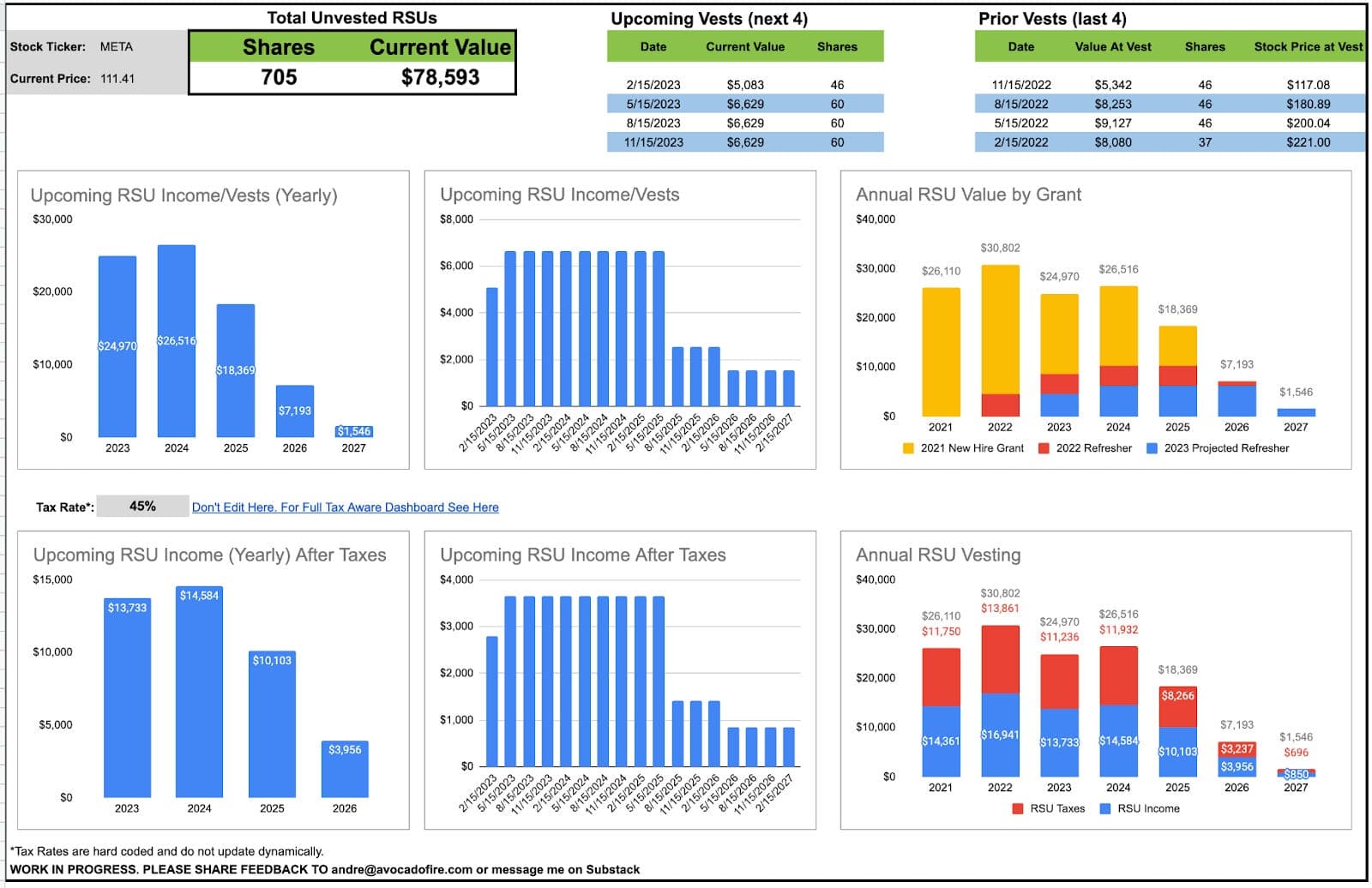
That mismatch matters because equity compensation is supposed to feel like upside, not a budgeting trap. The safest mental model is to treat vesting as a cash-flow event, not just a wealth event. If you are planning around rent, a down payment, tuition, or a major purchase, the number that matters is the after-tax net, not the headline grant value.
Why monday.com employees should care especially now
monday.com is not a tiny startup with paper equity. It is a public company on Nasdaq under the ticker MNDY, headquartered in Tel Aviv, Israel, with principal executive offices at 6 Yitzhak Sadeh Street. Co-founders Roy Mann and Eran Zinman have served as co-CEOs since 2020, and the company says it serves more than 250,000 customers worldwide.
That scale changes how employees should think about equity. monday.com surpassed $1 billion in annual recurring revenue in 2024, reported fourth-quarter 2024 revenue of $268.0 million, up 32% year over year, and later reported fourth-quarter 2025 revenue of $333.9 million, up 25% year over year, with fiscal-year 2025 revenue of $1,232.0 million. It also said customers with more than $50,000 in ARR made up 41% of total ARR at the end of 2025. When a company is growing at that pace, RSUs can become a major part of compensation for engineers, product managers, and sales teams alike, which makes the after-tax value far more than a side detail.
The company’s filings also show why this is not just an employee issue. monday.com’s 2024 annual report, filed with the SEC on March 17, 2025, flagged share-based compensation as a meaningful non-cash charge. That means equity is part of the company’s reported financial reality, not just a perk on the employee side of the table.
What to check before a vesting date
Before the next vesting date, it is worth getting specific about the mechanics:
- When the shares vest, and how many are scheduled for each date
- How your broker or employer plans to withhold taxes, whether by share withholding or cash
- Whether that withholding is likely to cover your actual tax rate
- Which tax documents and brokerage statements you will need at filing time
- Whether you plan to sell immediately or hold the shares through a later liquidity event
That last point matters because the second tax moment comes when you sell. If you hold the shares after vesting, you are not postponing the tax on the compensation event; you are only adding market risk on top of it. If the stock rises, you may gain more. If it falls, you can end up with less value than you expected while still having already faced the original tax treatment.
The simple rule that saves money and stress
The clearest takeaway for monday.com employees is this: never build a financial plan around gross RSU value. Build it around the net amount after withholding, then assume the final number can still move when you sell. That is the difference between feeling wealthy on vesting day and actually knowing what is available to spend.
For anyone holding MNDY equity, the smart move is to understand the tax moment before the vesting date arrives. The shares may be the headline, but taxes determine the real story.
Know something we missed? Have a correction or additional information?
Submit a Tip