monday.com employees should know when they can sell company stock
The hard part of selling monday.com stock is not valuation. It is knowing when the window is open, and when a trade could create insider-trading risk.
The first decision is not whether to sell, but whether you are allowed to
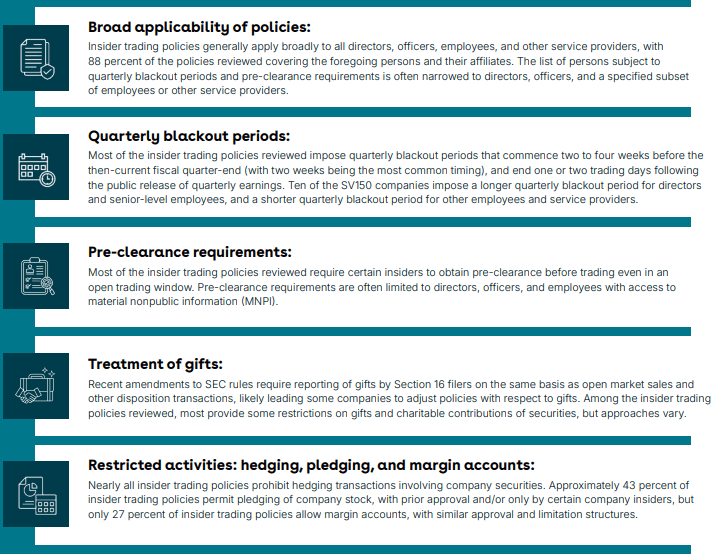
If you hold monday.com equity, the most important number is not the share price. It is the answer to a simpler question: are you in a trading window, or are you carrying information that makes a sale unsafe? That distinction matters because trading while aware of material nonpublic information can create serious legal and personal risk, even when the shares are fully vested and even when the trade looks routine.
That is why employees at public companies need more than a brokerage account and a stock-vesting calendar. At monday.com, where product work, customer deals, finance updates, and investor communications move on a public-company cadence, the timing of a trade can matter as much as the trade itself.
Why 10b5-1 plans exist
Rule 10b5-1 exists to give employees a structured way to sell stock without making each trade depend on a day-to-day judgment call. Charles Schwab’s explanation of the rule says these plans were created to provide an affirmative defense against insider-trading allegations by setting predetermined trading instructions. In plain terms, the plan is meant to separate the decision to sell from the later moment when the market actually executes the trade.
That protection is not automatic. A plan has to be set up correctly, and it has to be adopted before you possess material nonpublic information. If you are already aware of information that the market has not seen, such as a major earnings outcome, a large customer deal, or a sensitive product milestone, you cannot treat a last-minute plan as a shortcut around the rules.
What changed in the SEC’s rules
The U.S. Securities and Exchange Commission tightened Rule 10b5-1 in 2022. The amendments added new disclosure requirements for issuers and for Forms 4 and 5, including identification of transactions made pursuant to a 10b5-1 plan. The SEC also added cooling-off periods, which in many cases are 90 days for directors and officers and 30 days for other persons.
That matters because the rule is no longer just about whether a plan exists. It is also about when it was adopted, who adopted it, and whether the company and the filer disclosed it properly. The SEC’s changes were designed to make preplanned trading more transparent and to reduce the abuse risk that had built up around the rule over time.
For employees, the practical takeaway is blunt: a brokerage feature is not the same thing as compliance. If the plan does not fit the SEC framework and the company’s own policy, it may not protect you.

Why monday.com employees should pay attention now
monday.com is a public company listed on NASDAQ under the ticker MNDY, so its employees are already operating inside the disclosure rules that apply to public issuers. The company filed its 2024 Annual Report on Form 20-F on March 17, 2025, which places it within the newer regime requiring foreign private issuers to disclose insider-trading policies in their annual reports beginning with 2024 Form 20-F filings made in 2025.
That is not a bureaucratic footnote. It means monday.com is now in the class of companies where insider-trading policy is not just an internal HR document hidden in a handbook. It is part of the public-company compliance architecture, and employees should assume it is being treated that way by legal, finance, and investor-relations teams.
monday.com’s investor-relations materials also show a company with real reporting rhythm. It reported first-quarter 2026 results on May 12, 2026, and earlier reported its fourth quarter and full fiscal 2025 results in 2026 as well. That cadence is exactly why trading windows and blackout periods matter. Earnings releases, board updates, product announcements, and major customer developments can all create periods when employees need to stop and check the rules before they act.
What this means for people in engineering, product, and sales
This is not only a concern for executives. Engineers, product managers, and sales professionals can all come into contact with information that the market has not yet seen. A product team may know the timing of a launch or a feature change. Sales may know about a major enterprise deal or a renewal that changes the company’s near-term outlook. Finance and operations may see numbers before they are public. Any of that can turn an ordinary stock sale into a bad decision if the timing is wrong.
At monday.com, where the company says it serves 250,000 customers worldwide, that flow of internal information is constant. The more connected your role is to the business, the more important it is to treat stock sales like a compliance decision, not a personal finance errand. The temptation is to act when the market moves or when a vesting date hits. The smarter move is to check whether the window is open first.
The limits of convenience
One detail from monday.com’s investor FAQ is especially useful: the company says it does not have a direct stock purchase plan. That means employees who want to build a systematic selling strategy may need to rely more heavily on a properly structured 10b5-1 plan rather than on company-provided purchase or sale automation.
That absence makes planning more important, not less. If you want to diversify over time, cover taxes, or reduce concentration risk, you need a method that works inside the company’s trading rules. A well-designed plan can make those sales more predictable, but only if it is created before sensitive information is in your hands and only if it survives the cooling-off period.

A practical checklist before you sell
Before any sale, monday.com employees should slow down and verify the basics:
- Check the company’s insider trading policy.
- Confirm whether you are in a trading window or a blackout period.
- Make sure you are not aware of material nonpublic information.
- If you plan to use a 10b5-1 arrangement, confirm it was adopted before you had sensitive information and that any required cooling-off period has passed.
- Verify whether the trade will be reported in the way the SEC requires, including the new disclosure rules for 10b5-1 transactions.
The cost of skipping those steps is not abstract. A missed restriction can mean regulatory scrutiny, personal liability, and a trade that never should have happened in the first place.
For monday.com employees, the cleanest rule is also the most practical one: know the window before you think about the price. In a public company, the right time to sell is a compliance question first and a financial one second.
Know something we missed? Have a correction or additional information?
Submit a Tip