Monday.com employees should know how overtime exemption really works
Salary does not automatically make a Monday.com role overtime-exempt. The real test is duties, salary basis and geography, and misreading it can distort workload and payroll.
A paycheck marked “salary” can lull tech workers into a bad assumption: that overtime rules no longer matter. At monday.com, where engineers, product managers and sales teams work alongside customer success, finance and operations, the more important question is not how you are paid, but what your job actually requires under the law.
That distinction matters because misclassification is not a technicality. It affects staffing, scheduling, payroll risk and how much unpaid work managers can quietly expect from people near the boundary between exempt and nonexempt roles.

Salary is not the exemption
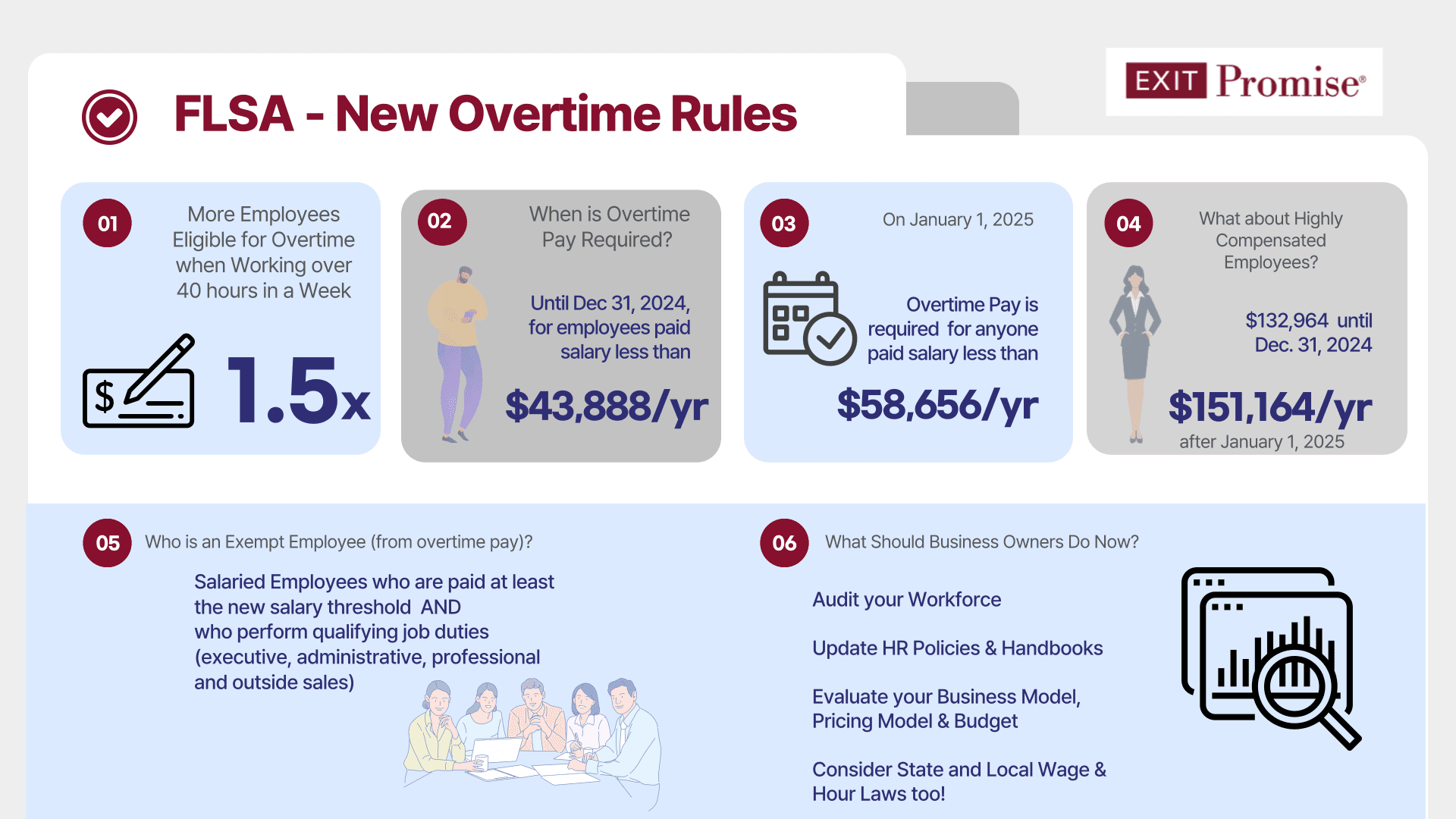
The federal rule is straightforward in one sense and frequently misunderstood in practice. Covered nonexempt employees must receive at least one and one-half times their regular rate for hours worked over 40 in a workweek under the Fair Labor Standards Act. Exempt status is not granted just because a person is salaried, and job titles alone do not decide the answer.
Instead, the U.S. Department of Labor says most exemption categories, including executive, administrative, professional, outside sales and certain computer employees, require both a duties test and a salary-basis test. The standard salary level for exemption is $684 per week, or $35,568 annually, and the highly compensated employee threshold is $107,432 per year, including at least $684 per week paid on a salary or fee basis.
For monday.com employees, that distinction should feel practical, not abstract. A software engineer writing code, a product manager coordinating launch timelines, a sales manager running a quota team and a customer success employee handling escalations may all sit in different legal buckets depending on what they actually do, not what their business card says.
How to pressure-test your role
The fastest way to sanity-check your own status is to compare your day-to-day work against the exemption tests, not against your title. Ask whether your job primarily involves executive authority, independent administrative judgment, professional-level work, or one of the specific outside sales or computer exemptions. Then ask whether your pay structure meets the salary-basis requirements that apply to your category.
- Hourly support or operations roles are often nonexempt, even in a tech company with a polished salary culture.
- Internships and contract work may raise separate classification questions, especially if the work schedule is tightly managed.
- Hybrid roles that mix exempt and nonexempt tasks can be hard to classify if the actual job has shifted over time.
- A promotion, a title change or a manager reorg does not automatically settle the legal question if the duties have not changed in the way the law expects.
A few edge cases deserve special attention:
This is where Monday.com’s own mix of functions matters. Its careers page lists roles across R&D, Customer Success, Strategy & Operations, Legal, Finance and Sales, with open jobs spanning sales, customer-success and R&D. That kind of spread is exactly why one company can contain multiple overtime realities at once, even before you factor in global hiring and different local rules.
Why Monday.com employees should care now
The business context is part of the story too. monday.com says it uses a hybrid work model, with most teams spending three days a week together in the office. In a setting like that, overtime problems often show up in the gray areas: late-night launch prep, customer escalations, cross-time-zone meetings and the invisible work that follows when people are trying to stay responsive across distributed teams.
Scale amplifies the issue. monday.com said in March 2025 that its platform was used by approximately 245,000 customers across more than 200 industries and in over 200 countries and territories, and in March 2026 it said more than 250,000 customers worldwide use the platform. The company also reported fourth-quarter 2025 revenue of $333.9 million and 27 percent revenue growth for fiscal 2025. When a company is that large and moving that fast, job design has to keep up with the reality of how teams actually work.
That is especially true for employees in roles where workload can quietly expand. A product manager who is suddenly expected to own launch coordination across regions, a sales professional whose “flexible” schedule turns into constant after-hours customer contact, or an operations lead pulled into recurring weekend work should not assume salary alone makes those hours invisible. If the duties, salary level or control over schedule do not fit the exemption, the company may have overtime obligations.
State law can make the picture stricter
Federal law is the floor, not the ceiling. The Department of Labor’s own guidance is a reminder that states can layer on their own overtime rules, salary thresholds and exemption standards, which matters for employees working across jurisdictions or reporting into managers outside their home state.
California is the clearest example for monday.com workers who may be based there or supervising teams there. The California Labor Commissioner’s Office says many white-collar exempt employees are not covered by overtime provisions, but the state’s minimum salary threshold for exempt employees is tied to twice the minimum wage. As of January 1, 2026, that threshold was $70,304 annually. California also set the minimum annual salary for the computer-software employee exemption at $122,573.13 effective January 1, 2026.
That gap between federal and state rules can be decisive. A role that clears federal exemption standards may still fail under California law, which is why managers cannot simply rely on a blanket company policy or a generic salary band. For a company with teams in places like Tel Aviv, Denver, London, Warsaw, Sydney, Melbourne, São Paulo and Tokyo, the underlying lesson is the same: location changes the legal analysis, and the analysis follows the work.
What to look for in your own job description
If you want to pressure-test your classification, focus on the actual structure of the role rather than the label. The most important clues are whether you regularly make independent decisions, whether your work is primarily intellectual or specialized, whether you supervise others, and whether your compensation meets the relevant salary threshold where you work.
- Read your job description, then compare it with what you actually do every week.
- Look at whether overtime is tracked and approved, or treated as irrelevant.
- Ask whether your duties have shifted after reorgs, product launches or customer growth.
- Check whether state law adds a stricter salary threshold than federal rules.
- If you manage people, sales pipelines, or cross-functional operations, examine whether your authority is real or mostly nominal.
A practical checklist looks like this:
For monday.com employees, the point is not to game the system. It is to make sure the company’s pay structure matches the law and the way work is actually organized. In a business built around helping teams run work more clearly, classification should be just as disciplined as the workflows the product promises to clean up.
This article was produced by Prism’s automated news system from verified source data, official records, and press releases, then run through automated quality and moderation checks before publishing. The system is built and supervised by the people who set the standards it runs under. Read our full AI policy.
Did this article answer your question?