Monday.com employees should know WARN notice rights in layoffs
Monday.com workers can use WARN as a checklist before layoffs hit: 60-day notice, severance terms, and the paper trail to save.
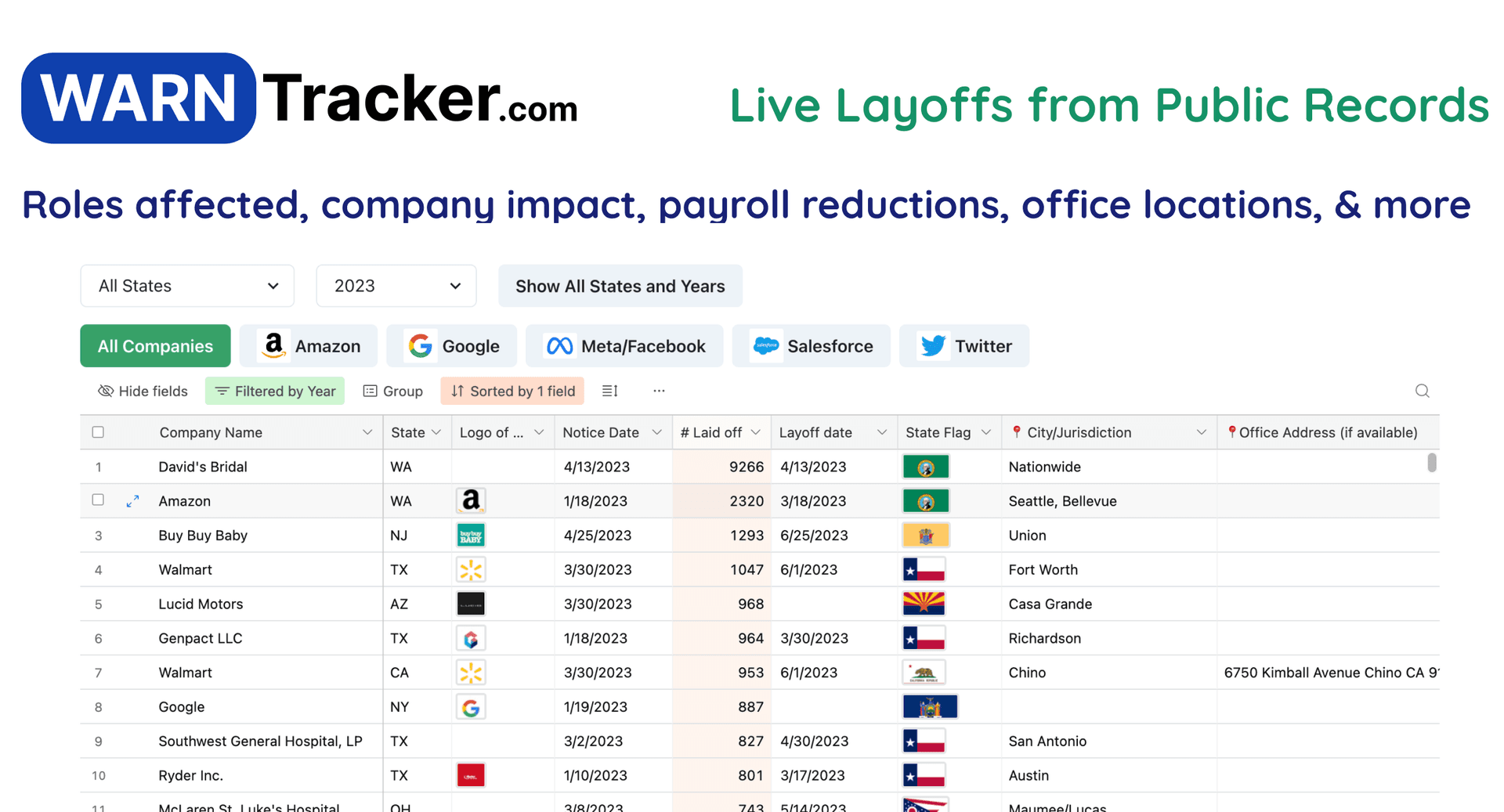
At monday.com, fiscal 2024 revenue reached $972.0 million and annual recurring revenue topped $1 billion, but a layoff conversation is still easier to navigate when you already know whether your employer owes you 60 days of WARN notice, separate severance, or both. More than 260,000 tech workers lost jobs in 2023 and more than 80,000 were laid off in 2024.
Why WARN belongs on your radar at monday.com
monday.com is a Nasdaq-listed company with its principal executive office at 6 Yitzhak Sadeh Street in Tel Aviv, Israel. In February 2025, co-CEOs Roy Mann and Eran Zinman said the company planned to double down on AI efforts, while CFO Eliran Glazer said monday.com was entering 2025 from a position of strength. In June 2025, the company said 61% of management promotions were women and that monday for nonprofits supported 19,523 active accounts.
Public SaaS companies can be expanding product lines, investing in AI, and still make abrupt staffing changes when priorities shift. monday.com itself acknowledged the wider pressure in the tech market in February 2024, citing cross-industry layoffs.
What WARN actually gives you
The federal WARN law is designed to give workers advance notice in cases of qualified plant closings and mass layoffs. Covered employers generally have to provide 60 calendar days of advance written notice, and the statute generally applies to employers with 100 or more employees, with some part-time and short-tenure workers excluded from the count.
Managers, supervisors, hourly workers, and salaried workers can all be entitled to notice when WARN applies. Employers may also have to notify state dislocated worker units and local governments, which is one reason a layoff can involve more paperwork than the meeting itself suggests.
WARN is a notice law, not a severance guarantee. It tells you when the clock should start running, but it does not promise a buyout package or a specific amount of extra pay.
What to save before the rumor mill turns into reality
When layoff risk rises, the best protection is a clean file. Save your offer letter, any equity grant documents, your compensation plan, recent performance reviews, promotion notes, and any written changes to your role or reporting line. If you are in sales, keep your commission plan and payout rules handy. If you are an engineer or product manager, keep records of objectives, launches, scope changes, and any written feedback that shows how your role evolved.
A few things matter more than employees usually think:
- Your exact employing entity and work location, because WARN hinges on the covered employer and the site of employment.
- The date any notice was delivered, since the law generally calls for 60 calendar days.
- Any written explanation of your last day, benefits end date, and whether you will keep access to systems during the notice period.
- Copies of emails or documents describing team reorgs, headcount freezes, or role eliminations, since those can help you reconstruct what happened later.
How severance fits in, and why it is not automatic
Severance is often offered, but the Fair Labor Standards Act does not require it. In practice, severance usually depends on employer policy or on an agreement the company asks you to sign. That means the headline number is only one piece of the package.
If you are handed a severance agreement, read it with the same attention you would give a product spec or a customer contract. Ask whether the payment is tied to a release of claims, whether benefits continue during the severance period, when money is paid, and what happens to equity, unpaid bonuses, or other compensation tied to your role. A sales employee should look closely at commission language. An engineer or product manager should check vesting and any language that affects stock awards.
What to ask if your manager says cuts are coming
If leadership starts talking about restructuring, you do not need to wait for the final meeting to ask for specifics. The useful questions are concrete: Is this a WARN-covered event? Is the company giving 60 calendar days of notice? Does the notice period run while I stay on payroll and benefits? What is the exact last day of employment? Will the company file or deliver notices to the state dislocated worker unit or local government if required?
This article was produced by Prism’s automated news system from verified source data, official records, and press releases, then run through automated quality and moderation checks before publishing. The system is built and supervised by the people who set the standards it runs under. Read our full AI policy.
Did this article answer your question?