Monday.com explains how timelines improve planning, handoffs and risk spotting
Timelines work best when they become the one shared version of reality, giving product, marketing and operations one view of handoffs, risks and next steps.

A shared version of reality
A timeline earns its keep when it does more than mark dates. The value is in giving product, marketing, engineering, sales and operations one reference point so work moves in sync, milestones feel more reachable, and the next handoff is visible before it turns into a delay.
That is why timelines matter in a release schedule, a launch plan or a customer implementation. When every stakeholder can see the sequence of events and the dependencies between them, the conversation changes. Fewer updates get lost in status meetings, escalation happens faster, and teams spend less time translating their own version of the plan to everyone else’s.
Why the timeline matters across functions
For a product manager, a timeline is a way to make a launch feel real enough to manage. For an engineer, it shows where delivery risk can surface before code is locked, dependencies pile up or a release window starts to narrow. For a sales team, it turns implementation planning into something concrete enough to set customer expectations without guessing at what happens next.
The important point is that monday.com frames timelines as flexible planning tools, not rigid calendars. That matters in fast-moving work because deadlines shift, priorities change and blockers appear. A timeline keeps credibility only when it can absorb change without losing its role as the shared view everyone trusts.
What monday.com means by a timeline
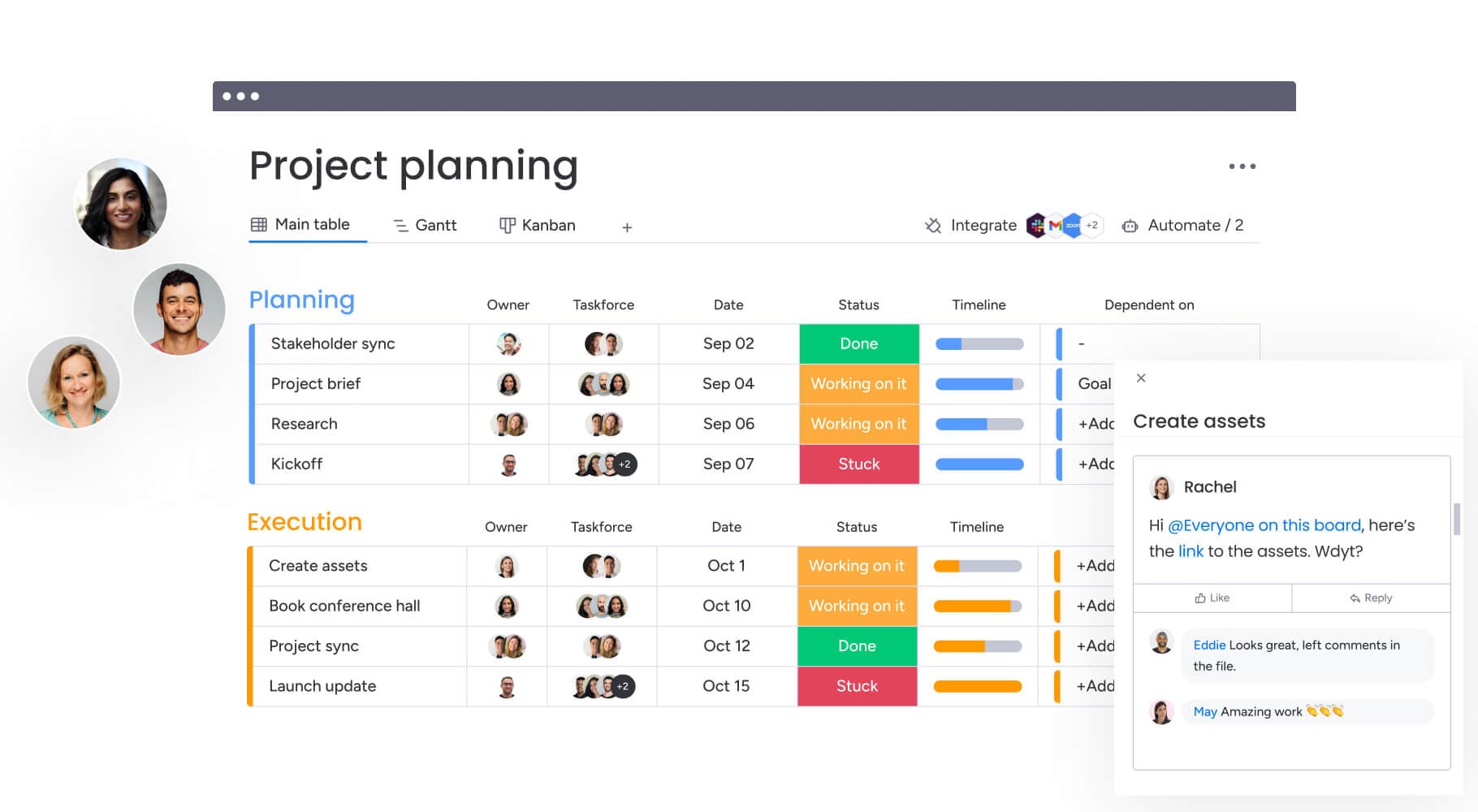
Inside monday.com’s own product language, the Timeline Column is a visual representation of how long a team has to complete an item or project. It lays out start and end dates and helps keep everyone aligned on the same schedule. That makes the timeline less like decoration on a board and more like a working map of the project.
The company’s dependency features push that idea further. Dependencies can be defined between items, and the Dependency Column can connect to either a Date Column or a Timeline Column. With strict dependencies, teams can also use lead and lag to define delays or time savings in a plan, which is exactly the kind of detail that keeps a handoff from becoming an argument after the fact.

Project boards bring those pieces together. monday.com says they help teams plan and manage projects in one place, break work into tasks, track progress and timelines, and organize project details with columns, views and dependencies. In practice, that means the timeline is not standing alone. It sits inside a system built to show what needs to happen, what depends on it, and what slips if the sequence changes.
Turning a timeline into a management tool
The strongest use of a timeline is not as a decorative chart for a kickoff deck. It is as an operating layer that sits underneath the work and makes coordination easier to run. monday.com’s own guidance points to stakeholder-facing timeline views, launch readiness trackers and health dashboards, which are the kinds of artifacts that turn a date view into something a team can actually use.
A few examples make that clearer:
- A stakeholder-facing timeline view keeps leaders focused on milestones, dependencies and deadlines without forcing them into the weeds of every task.
- A launch readiness tracker gives product and marketing one place to see whether content, QA, enablement and release work are lining up.
- A health dashboard can show multiple timelines at once, which is useful when one board is not enough to describe an active program.
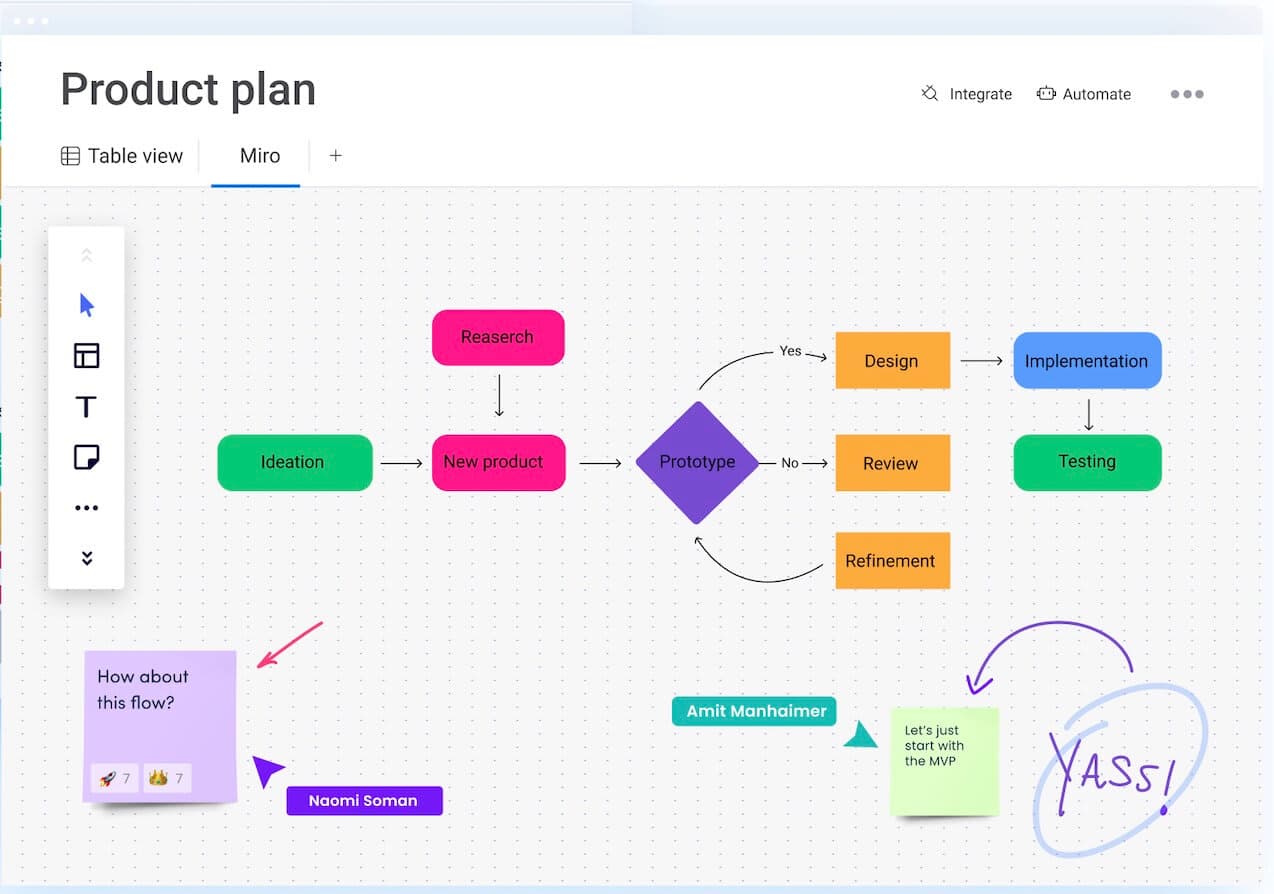
That dashboard use case matters because monday.com’s Timeline Widget can show timelines and deadlines for ongoing projects and view multiple timelines at once. The moment more than one team depends on the same delivery, the value of the timeline rises from scheduling to alignment. It becomes easier to spot where one path is drifting against another.
Where risk shows up first
The real management payoff comes when the timeline helps teams see risk before momentum slows. If one task is delayed, dependency relationships reveal which downstream items are exposed. If lead or lag is built into the plan, the team can see whether a slip creates a real launch issue or just shifts the sequence without breaking it.
That is why timelines often reduce status meetings rather than add to them. A good timeline answers the questions people keep asking in rooms and chat threads: What happens next, who depends on it, and where are we most likely to miss? Once those answers are visible, escalation becomes faster and more precise.
Why monday.com’s history makes this advice believable
The product logic lines up with the company’s own history. monday.com was founded in 2012 by Roy Mann and Eran Zinman, and it began as an internal tool at Wix built to solve communication and transparency challenges. That origin story matters because it explains why the company keeps returning to visibility, alignment and shared context instead of treating work as a pile of disconnected dates.
The company’s scale gives that same point more weight. monday.com said it reached $1 billion in annual recurring revenue a decade after launching its Work OS. It reported fourth-quarter 2024 revenue of $268.0 million, up 32% year over year, and said it had more than 250,000 customers worldwide in its investor overview as of May 2026. It also became a publicly traded company on Nasdaq on June 10, 2021.
For people inside the company, that growth story reinforces the core product lesson. As monday.com serves more customers and more complex teams, timelines become more valuable, not less, because they create one common version of what comes next. That is what keeps launches moving, handoffs clean and risks visible before they turn into missed expectations.
Know something we missed? Have a correction or additional information?
Submit a Tip