monday.com explains project management basics for cross-team coordination
monday.com’s project-management explainer turns a basic definition into a scale lesson: once teams grow, handoffs, visibility, and accountability become the real product.
monday.com says more than 250,000 customers worldwide use its platform and that it is used by more than 60% of the Fortune 500. When a company is small, coordination is often informal because everyone can see the work happening. Once teams spread across engineering, product, sales, and customer success, project management becomes the system that keeps deadlines, dependencies, and ownership from slipping.
Project management is really a scale tool
Project management is the structured application of knowledge, skills, and techniques to deliver objectives within constraints of scope, time, cost, quality, and resources. In growing companies, work fails when handoffs break, priorities move, and nobody has a shared view of what comes next.
PMI defines a project as a temporary endeavor undertaken to create a unique product, service, or result. Project management makes decisions visible, tracks tradeoffs, and keeps teams accountable when the work is no longer held together by proximity and memory.
The five phases are a map for cross-team execution
Most projects move through a standard lifecycle: initiating, planning, executing, monitoring and controlling, and closing. A product launch, a sales rollout, or an internal systems migration all need someone to define the objective, map the dependencies, track execution, and close the loop when the work is done.
For product managers, that means scope and sequencing are not side concerns but the center of the job. For engineers, the lifecycle gives structure to delivery, change control, and risk. For sales teams, it helps explain why monday.com is not just for task lists or execution dashboards, but for the full path from kickoff through delivery and wrap-up.
Why monday.com has so much to gain from this language
monday.com was founded in 2012 by Roy Mann and Eran Zinman, and it is headquartered in Tel Aviv, Israel. The company opened its North American headquarters in New York City in 2021 at 225 Park Avenue South. monday.com sells into organizations that already use the language of projects, programs, and cross-functional delivery to run the business.
A basic explainer can function like product education and market positioning at the same time. monday.com describes itself as an AI work platform, and its messaging about bringing people, workflows, and AI agents together on one platform places it where coordination, automation, and visibility overlap. In that context, project management is not a narrow category. It is the operating language buyers use when they are trying to standardize execution across departments.

The field has moved beyond rigid templates
PMI’s 2024 Pulse of the Profession shows organizations shifting toward flexible, fit-for-purpose delivery practices. Project teams perform equally well using predictive, hybrid, and agile approaches, including onsite, hybrid, and remote work arrangements. The market is no longer pretending there is one correct way to run every project.
PMI’s job-growth analysis projects the project-management-oriented labor force in seven sectors will grow by 33% through 2027, creating nearly 22 million new jobs and requiring nearly 88 million project-management-oriented roles. In 2025, PMI said up to 30 million new project professionals are needed to meet global demand by 2035. For software vendors, that means the buyer pool is not just broadening, it is professionalizing.
The software category is becoming more operational
Gartner’s 2025 Magic Quadrant for collaborative work management highlights these platforms as improving planning, resource management, teamwork, strategic alignment, and governance. Its market view also highlights AI-powered automation, contextual collaboration, and real-time insights as the features defining the category. That lines up neatly with where monday.com is trying to go: not simply managing tasks, but helping teams connect work, decisions, and execution in one place.
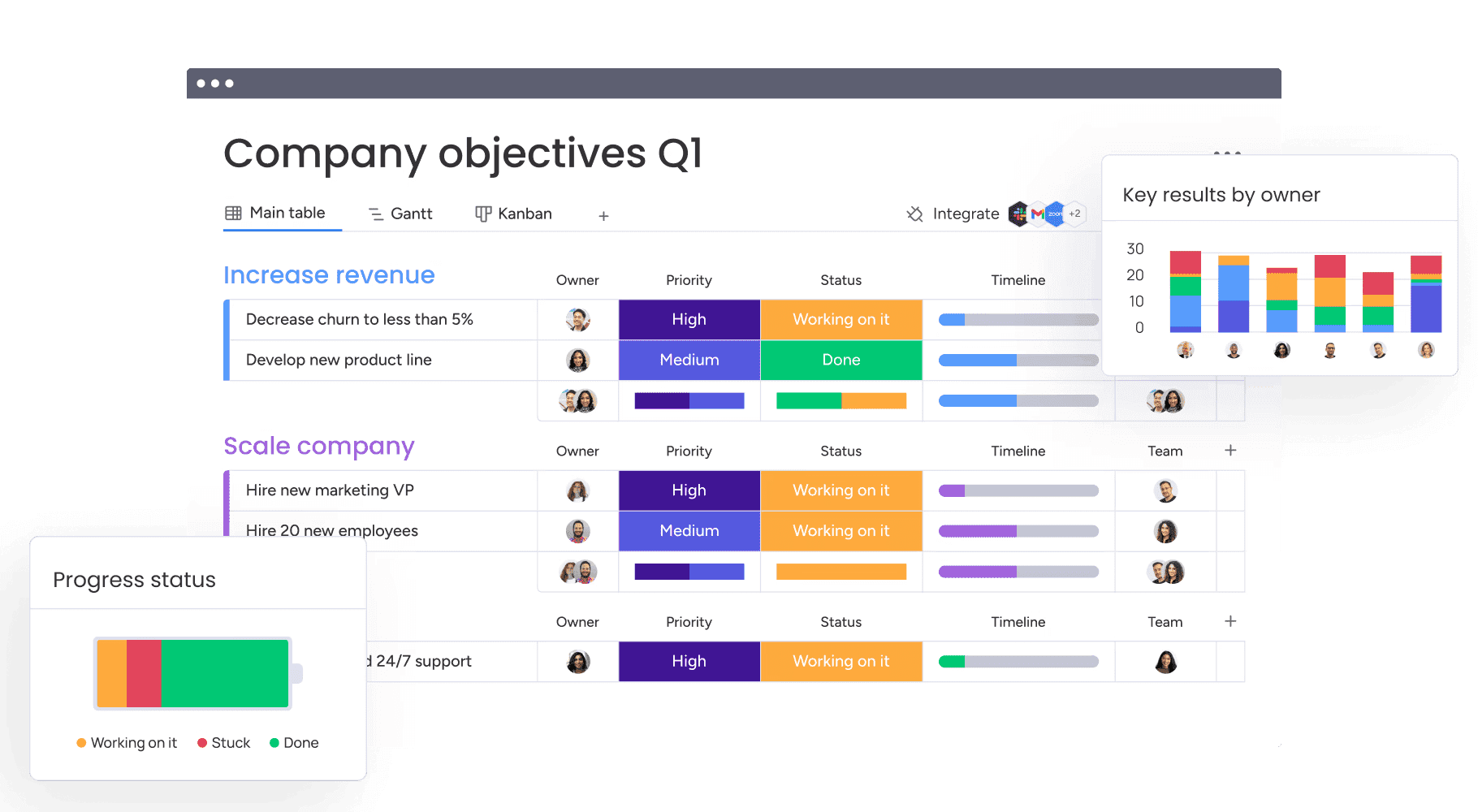
For managers, that changes what a work-management platform has to prove. It is no longer enough to collect status updates. The system has to surface dependencies before they become delays, show who owns what, and help leaders make tradeoffs without losing the thread across departments.
What this means inside monday.com
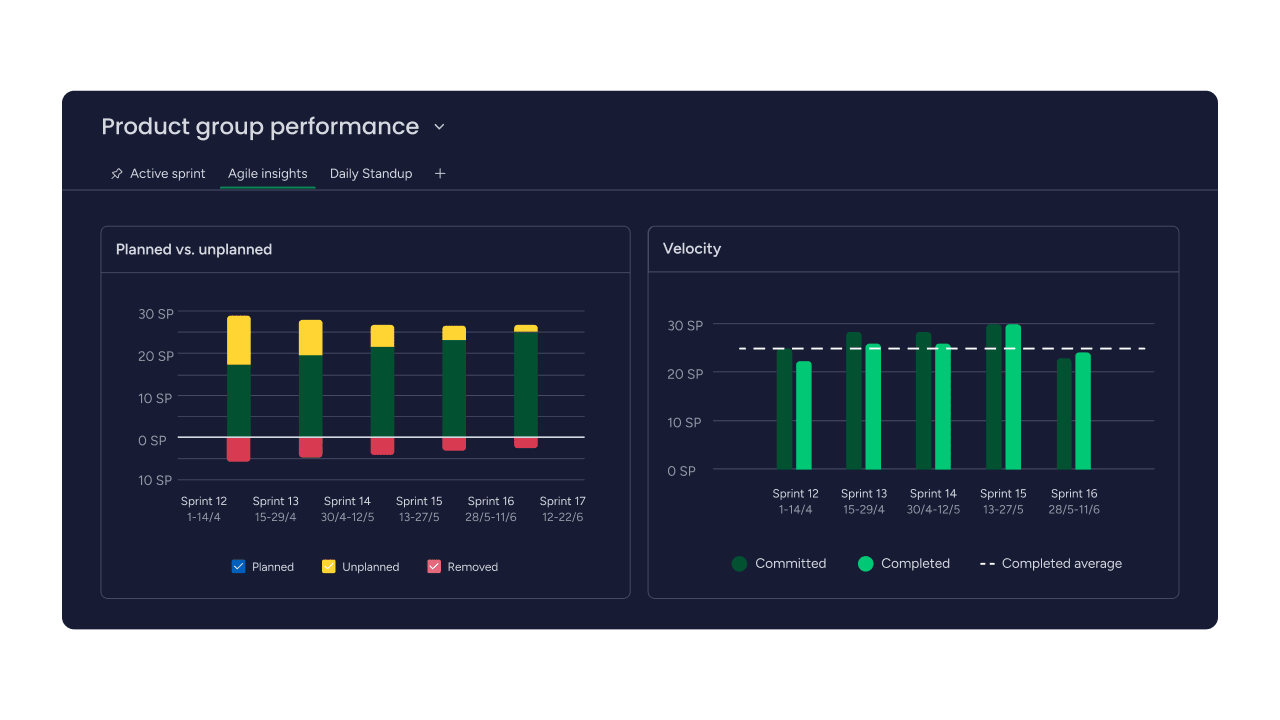
Inside monday.com, the value of a project-management explainer is practical. Engineers can use the lifecycle language to reason about delivery phases and change control. Product teams can use it to align roadmaps with launch sequencing and stakeholder expectations. Sales teams can use it to show prospects how the platform supports the whole process, from initiating work to closing it out, rather than only the execution stage.
That is especially relevant for a company whose market pitch now includes AI work orchestration, not just work tracking. If monday.com is going to keep winning larger customers, it has to speak fluently about the basics buyers already recognize: scope, deadlines, dependencies, accountability, and governance.
This article was produced by Prism’s automated news system from verified source data, official records, and press releases, then run through automated quality and moderation checks before publishing. The system is built and supervised by the people who set the standards it runs under. Read our full AI policy.
Did this article answer your question?